

How Long Should You Air Out A House After A Gas Stove Is Left On?
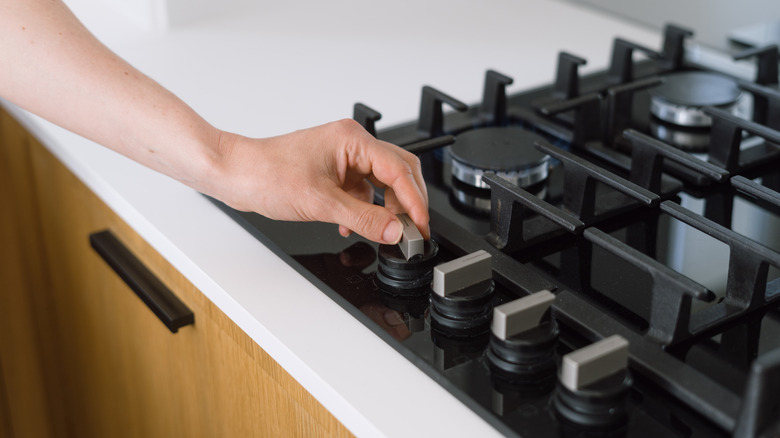
Gas stoves are a home-chef's dream because they are so easy to control. While stoves of all types carry certain risks of use, gas stoves have a slightly higher safety risk because of the natural gas used to power them — which is why you may want to consider getting rid of your gas stove. If you accidentally leave an electric stove on, the worst thing that could happen is that anything left on the stovetop could burn. However, if the gas was accidentally left on, you could be inhaling harmful gas fumes, which is a severe health hazard.
Unburnt natural gas can displace oxygen and create a major fire or explosion risk. If a burner is actively lit with improper combustion, carbon monoxide can build up quickly and cause dizziness, nausea, or loss of consciousness. The best way to clear the gas is to air out your home by opening your windows and doors to rid it of dangerous toxic fumes, so the air inside is safe to breathe again.
The time you need to air out your home depends on how long the gas was left on. For a minor occurrence of up to 30 minutes where the stove was on but unlit, it's best to air out your home for at least 30 minutes. If the gas was left on for a few hours, air out your home for at least two hours, but three hours or more is ideal to completely clear the air. Keep in mind that while some people rely on greenery for indoor air quality, houseplants won't purify your home's air, making active cross-ventilation essential. Finally, if it was left on all day or overnight, evacuate immediately. You'll need to call the fire department or gas company to clear the home with a gas meter before re-entering, since the levels of gas could be extremely hazardous.
What to do if you've left the gas on
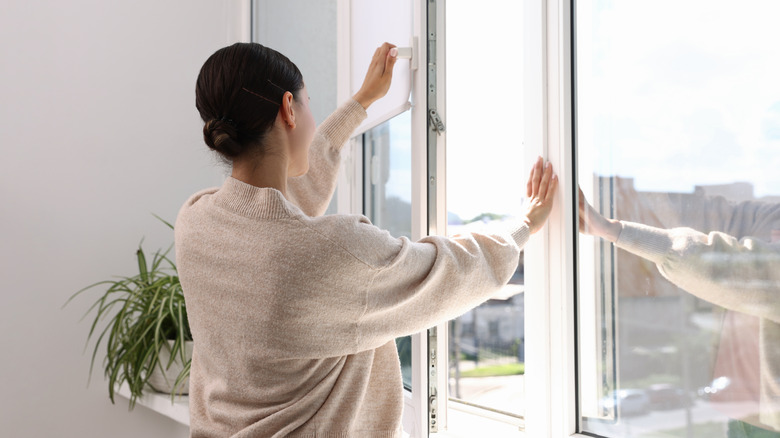
If you leave your gas stove on, don't panic. You'll need to immediately turn off the burner as soon as you notice it's been left on to stop the flow of gas into your home. Do not turn on any exhaust fans, range hoods, or electric box fans, since flipping a switch can create a micro-spark that might ignite accumulated gas. Open multiple exterior doors and windows on opposite sides of the home to let a cross-breeze in — this natural airflow pattern will help force the natural gas fumes out.
Once you've got some airflow going, head outside immediately to avoid breathing harmful gas fumes. Take any pets with you because they are especially vulnerable to toxicity. Don't grab or use any landlines or cell phones while standing inside the home — one little spark could ignite the accumulated gas. Stay outside, away from the house, until you no longer smell that rotten-egg odor. Before going back inside, double-check from the doorway that the smell is gone. When you do go in, pay close attention to higher areas and enclosed spaces like pantries or upper cabinets where natural gas can rise and linger — if there's still a smell after airing out your home for the allotted time, go back outside and call your gas company so they can test the air before you go back in.
Accidentally leaving the gas on could lead to some potentially serious problems. However, despite these safety concerns, this controversial kitchen appliance may actually boost home value. To prevent issues, you can use visual cues and habits to remind you when a burner is active. If your knobs are on the front of the stove, you can put in silicone knob locks or child-proof safety covers. This requires a deliberate dual-action movement to turn so you don't bump it by accident.