

What Is The 3-2-10 Rule For Chimneys And Why Does It Matter?
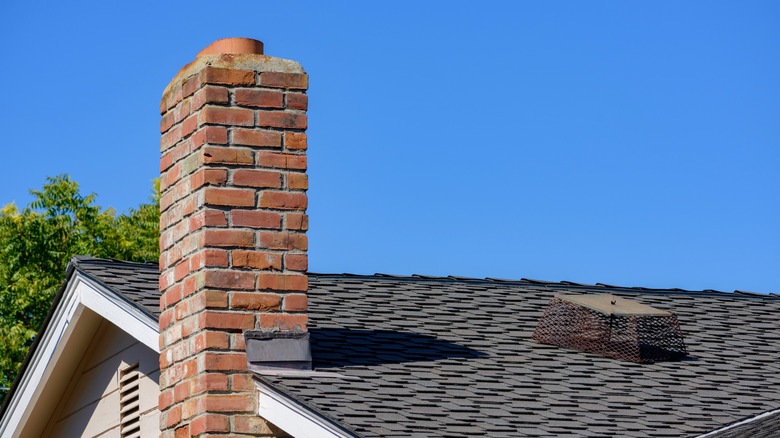
There are important things you should know about being a new homeowner, from clearing regulations to aeration requirements, and general landscaping. There's also something you should know about chimneys, and luckily, there's a simple rule that you can use to check if all is in order in that department: the 3-2-10 rule. It's a simple way to make sure your chimney isn't a fire hazard.
The 3-2-10 rule is all about building and safety standards. The three refers to the minimum height (in feet) of your chimney compared to the spot where it exits your roof. The two and 10 go together: the chimney should be at least 2 feet above any other thing within a 10-feet radius of it. This includes your roof, your neighbor's house, or a tree.
This rule exists because chimneys pull smoke and gas out of your fireplace using natural drafts. There's no little fan inside that's sucking the air out, it's all physics. In order to make sure the smoke is effectively pulled out and doesn't fill the entire house, it needs to be tall and unobstructed by parts of the roof, debris, and snow.
Smoke being pulled into your home instead of outdoors isn't just smelly and gross, it's a major safety concern. There are all sorts of toxic chemicals like carbon monoxide in there that can seriously harm you. The rule also ensures that hot ambers won't get caught in the roof, which could cause a fire. This rule is a great way to make your home safer, and anyone can use it.
How to use the 3-2-10 rule at home
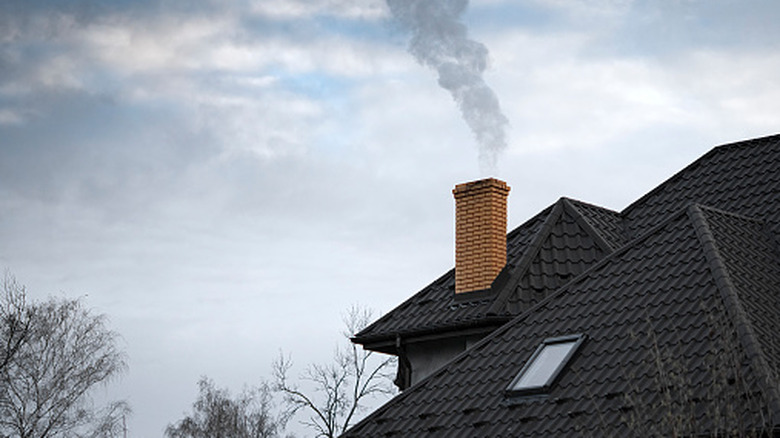
This 3-2-10 rule is one of the things to keep in mind before adding a fireplace to your home. Look at the spot where you're planning to add the chimney, and picture it as the center of 10-foot radius circle. Within it, note what the highest spot of the roof is, add 2 feet, and write down the chimney height as option A. Then, measure 3 feet up from the spot where the chimney will exit the roof, and mark down as option B. Whichever is higher is your minimum chimney height.
If you already have a chimney and don't need to plan a new one, this rule can be helpful to make sure it's all up to code. For example, if there is a lot of smoke getting pushed into your home on windy days, cold air comes through it when the fire isn't burning, there are soot stains outside the stack, or the fire never fully builds, it might indicate that there's an issue with your chimney being too short.
However, keep in mind that going onto your roof to measure the chimney isn't safe.
You need to practice proper training and adequate safety measures to examine a chimney, and typical homeowners don't have what's required. Don't take this lightly, falls can be deadly even if they're just from a small height of 6 feet, which is far less than an average roof. So whether you need to just measure the chimney or if you're trying to extend it, it's best to leave it to professionals.