

11 Common Complaints Customers Have About Home Contractors

Even for the most avid home DIYers, there are some jobs that are better left to the professionals. It could be dangerous electrical work or installing a brand-new kitchen with new plumbing, appliances, and custom cabinetry. The thing is, just because somebody says they're a professional, that doesn't mean that they're right for the job. All too often, homeowners are left with cause to complain after hiring what was sold as professional help. Sometimes, the work isn't completed to a high standard. Other times, it's not completed at all. In reality, the reasons to complain are potentially endless, which makes doing your due diligence before hiring a contractor key to avoiding complaints.
That's what this guide is here to help with. Firstly, we've highlighted some of the most common complaints homeowners have about contractors. We've then identified ways to help you avoid similar problems with your own project. We'll cover questions you should be asking your contractor before you renovate, signs that your contractor is trying to scam you, and ways that you can protect yourself should you run into problems. For those of you who've had bad experiences in the past, the following sections will probably have you nodding sagely. And for those who are hiring professional help for the first time, they should help to ensure that your home is left in the hands of only the most capable contractors.
Unexpected contractors applying high-pressure tactics to win your business
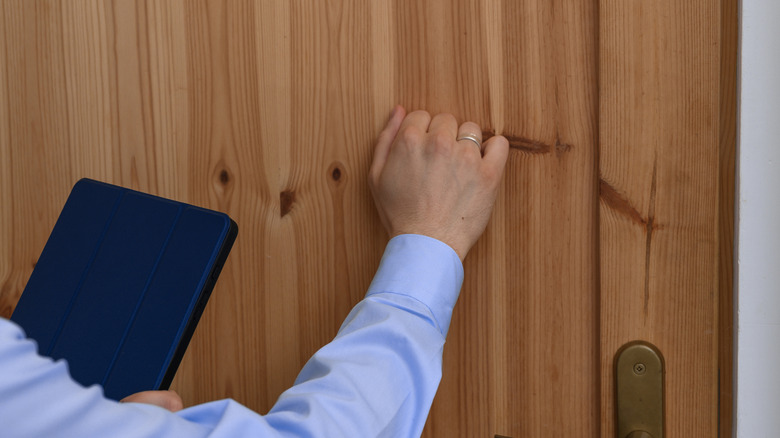
Most reputable contractors completely understand — and accept — that homeowners want to shop around to find the best deal. Not only that, but they get the need for homeowners to find a contractor who they feel they can trust, and whose experience and skills most align with their projects' needs. Contractors who try to pressure you into a deal on the spot either don't understand this, or they simply don't care. In either case, it's one of several signs that a contractor is trying to scam you. And if you choose to accept their deal, you may well find yourself unsatisfied with their work. As we'll see later, you may even be left with an unfinished project, or one that's completed with zero attention paid to necessary permits or building codes. Either way, you'll have a very real reason to complain.
With that in mind, one of the biggest mistakes people make when hiring contractors is failing to do their due diligence. By that, we mean not searching online for reviews, not checking their credentials, and simply listening to your gut when a stranger knocks on the door promising cheap, high-level work. It's easy to forget — especially if a contractor applies high-pressure sales tactics in order to win your business. They may arrive at your door unannounced and offer a reasonable rate, but with a limited time to do the deal. The thing to remember is this: If the rate is too good to be true, then it probably is. If you suspect that you're being pressured, then the best thing to do is say "no, thank you," and, in the most polite way possible, close the door.
Time taken to complete a given project

Another common cause for complaint among homeowners is that their contractor took longer to complete the job than they expected. Now, in some cases, delays are unavoidable, especially on outdoor projects where the contractor has no say over the weather. However, in other scenarios, complaints are completely valid. For example, if you agreed upon a timeframe with your professional, and the project overran excessively, then that would be very frustrating.
One way around this is to hire a professional based on feedback from friends or family, since they'll let you know whether or not the contractor is reliable. Another is to get a solid understanding of how long a given project should take. When you're shopping around for a contractor, have a conversation with each of them about timeframes. By simply taking an average of what each one says, you should be left with a good idea of timescales. You should also ask them whether they'll be working on other projects at the same time as yours. One of the mistakes many contractors make is over-scheduling themselves. In other words, if they have too much going on and not enough time to do it, then even with the best intentions, delays become more likely.
Contractors leaving your house and yard in a mess
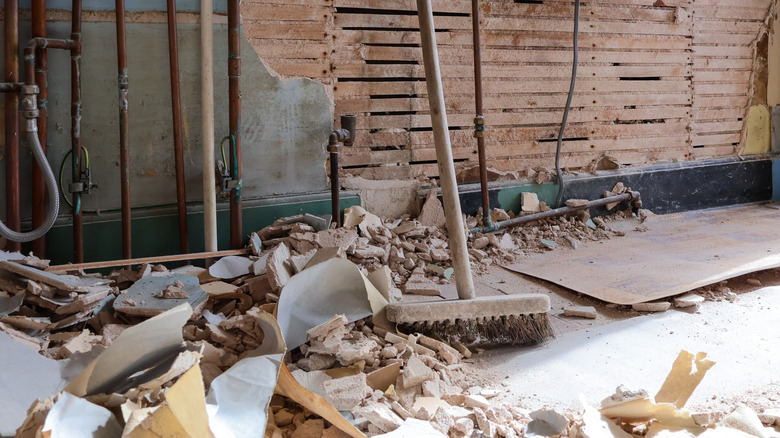
Home improvement projects are often messy — regardless of who's doing the work. However, part of the cost of a contractor will often include the time and labor required to clear up their mess. This can include sweeping up dust and debris or removing old materials — like an old fence, for example, or rotten deck boards. It's when this mess is left in situ that complaints arise. The thing is, different contractors handle different levels of cleanup. Not only that, but it's not always a legal requirement for them to do so. With that being said, if it's nailed down in a contract, you're at least left with the recourse to demand that the mess is cleaned up.
To give an example, one Redditor, who posted a year after hiring a contractor, asked their contractor several times to sign a contract. Unfortunately, it didn't happen. "I asked him several times for a written contract, which I never got. A lot of things that were promised verbally were never completed." They added, "One thing he left was a whole pallet of concrete that he apparently overbought (but amazingly didn't charge me for) and some other scrap metal." The result? The poster was left considering legal recourse to have the contractor return and clean-up the mess. To avoid this headache and ensure that you're left with a clean, finished project — instead of a cleanup that leaves you feeling like you did half the work yourself — speak to your contractor. Check with them before work begins that cleanup is included, and importantly, sign a contract. If it's not included, then you could either negotiate the price, or choose a new contractor who does include it.
Hidden costs

When you've agreed to a price for a job, only to be handed an additional, hefty bill for unexpected costs, you're more than likely to complain. Now, depending on the scope of the project, prices may will fluctuate slightly. It's sometimes referred to as "job site uncertainty," where there's no way a contractor could know about a problem. As one electrician put it on Reddit, "I'm wiring an extension, let's say. During the work I discover the circuit I was going to use to feed it has deficiencies and needs replacing, or otherwise sorting. Am I expected to carry that cost?" The obvious answer is "no." However, the same poster added that they tend to factor these unexpected costs into their quoting, to help ensure that any unexpected eventualities are covered.
That's an important point. A contractor can only know so much going in to a job. But their quote should reflect what they expect the work to entail, and they should be transparent about any uncertainties up-front. For you, the best way to ensure that unexpected costs are properly mitigated is to sign a comprehensive contract. That means that every part of the job — and every material required to do it — should be itemized. It's normal for some items to be listed "as required" or "subject to additional charge." Problems occur when these items aren't included and are later billed for. Ask your contractor about these, how likely they are to be needed, and compare their quote to those from other professionals. If one is replete with materials, labor costs, and contingency "as required" costs, then it may be more expensive, but it's also more likely to be accurate.
The contractor abandoned the project part-way through

One eventuality that's almost guaranteed to result in complaints is the contractor failing to show up, or abandoning a project part-way through. It's a common scam tactic, whereby a downpayment is made by the homeowner (often a substantial one), the work begins, only the contractors later fail to show up. Not only can it leave your home, garden, or both in disarray, but it can also leave you stuck with a half-finished project that's expensive to put right. The best thing to do if your contractor fails to do the work is to gather evidence, including photos of the site and your contract, and then contact them. Give them a deadline to remedy the problem, and advise them that you'll pursue legal action if they fail to do so.
Better still, if you're currently in the throes of finding a contractor, do some due diligence. Contractors who operate like this are easily sniffed out nowadays. They may have lots of poor reviews online, which is a sure sign that you should avoid hiring them. Another red flag is the complete absence of an online presence, including reviews. Your best bet to find reputable contractors is to look on sites like the Better Business Bureau, which helps to pair homeowners with reputable, accredited contractors. Alternatively, keep an eye out for contractors with credentials from the National Association of Home Builders (NAHB). Now, not all quality contractors necessarily have certifications from the NAHB. But those who do must demonstrate adherence to high standards in residential construction, so it can be a reliable way to "vet" your contractor. You can also search for individuals on the NAHB website to confirm their certification.
Your contractor can't solve basic problems
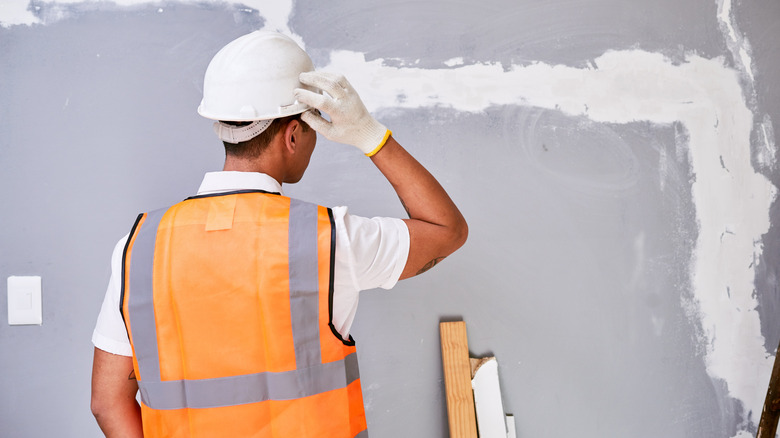
When contractors fail to solve problems that arise as part of the project, that's likely to lead to frustrations and complaints. As an example, let's say that, upon embarking on a landscaping project, your contractor finds a utility line in the way. In many cases, this is likely to cause a disruption to the work, and may even render the original objective unfeasible. However, they should have identified any issues like that at the outset by conducting a site survey. Likewise, they may have agreed to replace your flooring, only to find that the subfloor needs to be replaced or repaired. This additional work may come at a cost, however, a reliable professional should be able to roll with it and find a way to solve it — provided that the extra cost is covered. If that sub-par sub-floor puts a stop to work because they can't deal with it, then they're probably not the right person for the job.
Again, this complaint is fairly simple to circumvent. It really boils down to the hiring process. Looking for reputable tradespeople — and, ideally, those who specialize in the type of work you're having done — will help to ensure your contractor can roll with the punches. Another great tip for finding reliable contractors is to ask your friends or family who've had similar work done in the past. Can they recommend anybody? If so, did that person run into issues, and did they handle them well? That information will reassure you that they're capable of doing the job.
The quality of work was not to a high standard

This is among the most common complaints about home contractors, and it occurs for a number of reasons. One is that the homeowner hired a contractor who wasn't qualified or experienced enough to handle the challenges of the job in question. Remember what we said about being able to roll with the punches? Well, if there's one thing worse than not solving job site problems, it's bodging the solution! Another reason is that expectations weren't fully managed at the start. But what does this mean, exactly?
Well, when you're fielding bids for the work, it means discussing the work in detail with your prospects. What is actually possible and does that align with your vision? What materials will be used? Do they have any examples of similar work that you can see to ensure the standard of finish is high? If the scope and materials are nailed down in the contract — and you're confident that they can work to a high standard — then you shouldn't have too many causes for complaint here. With that said, you should also inspect their work regularly as the project takes shape. You don't need to lean over their shoulder all day and get in the way. Instead, take a look at the end of each day, and if you notice any issues, raise them with your contractor. That way, you'll ensure they're addressed in a timely manner.
Poor communication throughout the project

When you're paying a lot of money to have a job done, there is a certain level of service that you might expect from your contractor. That's not to say that you should expect hourly updates on what's being done. However, a check-in from your contractor at the end of each day can make you feel like you're being looped in and kept abreast of progress. After all, it's your home. With that in mind, establish a habit at the start, and let your contractor know that you'd like regular updates. You can also exchange numbers, so that they know how to reach you when you're at work. As for why it's important to avoid complaints, it's about more than feeling like you're involved.
Where communication becomes really important is if your contractor runs into issues. Yes, you should expect them to solve them, but if those issues force them to pivot on something that's been agreed in the contract, you'll need to know. They should raise these with you, confirm that you're happy with the changes, and if any new costs are added, those should be agreed upon and added to a contract. If issues occur, changes are made, and new costs are incurred — and you weren't informed beforehand — you will almost certainly feel like complaining.
The contractor hiked the price mid-job

We've touched on the importance of accurate quoting already. However, while some firms quote loosely, there are others who quite deliberately under-price in order to win your business. And, unfortunately, that price rarely stacks up once work begins. It's known as the "bait and switch" approach. Once you've agreed to a low price, your contractor then rips out your bedroom, kitchen, or whatever else is being worked on, before bringing you a revised — and heavily hiked — bill to cover the rest of the work. This leaves customers feeling cornered, with little choice but to agree to higher pricing. And quite frankly, it's a horrible position to be in.
However, it's only really possible if a comprehensive contract isn't signed before work begins. If you've yet to hire a contractor, then apply our earlier advice and ensure your contractor lists everything that'll need to be paid for. Make sure it covers the labor and materials, and check for those all-important hidden contingency costs. Depending on the project scope, you should also check whether you'll need permits. Confirm your contractor's price covers the cost of securing them, because, as we'll discuss shortly, it should.
You hired a contractor, but different people showed up

The first thing to say here is that it's actually quite common — and acceptable — to have different tradespeople come and complete your project. It depends on the work involved. If it requires multi-skilled work across electrical, plumbing, and building, then it makes sense that you'd have various contractors with unique skillsets come to handle them. At the same time, it shouldn't come as a surprise. The contractor that you agree to handle the work should explain this, and it should be covered in your contract. On that note, you should also be assured — ideally, with proof — that all workers involved in the project are licensed, specialized in their trades, and insured.
This is where complaints tend to occur. If these details weren't laid out, then you may be somewhat startled by the face that greets you when you answer the door. Not only that, but if you don't know about them, you may well be doubtful about their credentials. And if those doubts prove to be true, their lack of credentials could risk voiding your warranties, while also making any work that they complete potentially unsafe. With that in mind, one of the most important questions to ask your contractor before work starts is who will be doing the work, whether they're qualified, and just as importantly, whether they're insured.
Your contractor ignored code or didn't bother to pull permits

There are several types of home renovation that require permits, and when you hire a contractor, they should not begin work without them. If they do, their work can be expensive to fix should an inspector discover it. Not only that, but it can also complicate property sales and refinancing. As for building codes, your contractor should stick to these like the law — because that's what they are. Codes are in place to ensure safety, and any reputable contractor will refuse to work outside of them. Unfortunately, not all contractors match this description. On Reddit, one homeowner explained that their contractor failed to pull the necessary permits for a HVAC project. Not only that, but when they hired a different contractor for a separate job, they were told that the original work likely wasn't up to code, and worse, that it presents a carbon monoxide and fire hazard.
Fortunately, this is another cause for complaint that's easy to avoid. Again, most professionals will secure permits, and they'll work fastidiously in line with building codes. But you should always check. Better still, do some research and find out what your local authority requires. Armed with that information, you can then ask potential contractors about permits and codes, and ensure they're nailed into your contract. If they advise you that "you don't really need a permit," then take that as the red flag you need to scratch them off your shortlist.