

Is It Okay To Leave Shade Sails Up All Year-Round?
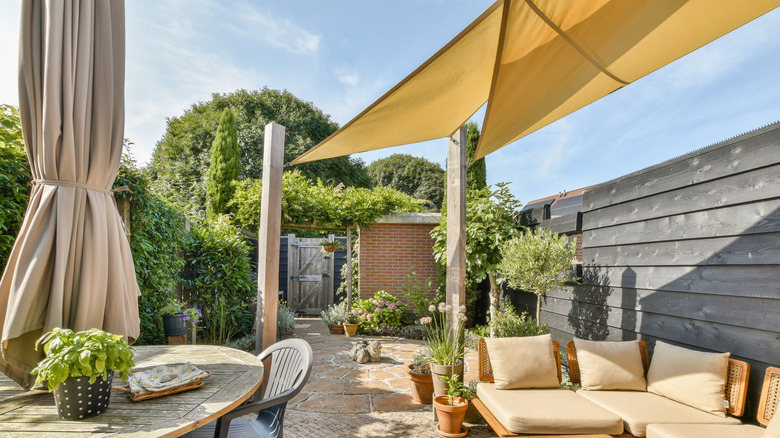
Shade sails provide a fancy solution against the blinding and harsh rays of the sun. There may be alternative ways to cover your patio, but none may be as stylish and highly flexible as shade sails. While the sun protection afforded by this type of canopy is quite convenient, taking them down at the end of every summer isn't. You might be wondering if it's okay to leave the sails outside all year-round. Whether you're simply curious or you dislike having to dismantle and reinstall the shade every so often, you should know that the type of material and the weather in your area will dictate how the shade sails fare through the seasons.
Shades sails aren't designed to remain outdoors all year round, but high-quality ones can survive while others should be taken down when conditions get rough. Since sails are exposed not only to sunlight but also to other elements, such as water, dirt, wind, and changing temperatures, it's important to check the type of fabric they are made of. Shade sails made of high-density polyethylene (HDPE) or polyester can withstand different weather conditions throughout the year, provided they are properly installed with the right hardware. Do note that this may only be possible in places with a mild, stable climate. Even the sturdiest canopies may be destroyed by severe weather conditions like heavy rains, hurricanes, severe snowstorms, and high winds.
Year-round exposure can wear down your shade sail
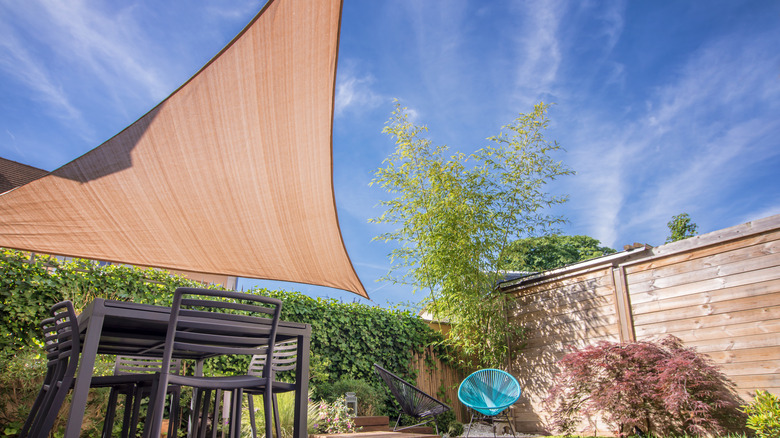
Leaving your shade sails outside year-round makes them vulnerable to long-term wear even without harsh weather events. This is one of the disadvantages of having shade sails. When the weather is warm, constant sun exposure can degrade the fabric, especially on models without UV protection. Over time, the material can fade and lose its fabric strength, and its stitching may wear out, too, making it susceptible to tearing.
In places with cold winters, shade sails are also prone to wear out and damage, as the snow and ice can accumulate over the fabric when left outdoors. The additional weight can put excessive strain not only on the fabric, but also on the seams and the mounting hardware. This is why manufacturers may indicate in the instruction manual that their product should not be left outside during winter.
In the long run, normal weather and seasonal changes can cause the sails to stretch, sag, fray, or tear, especially if they are poorly tensioned or cared for. The performance of canopies left all year round outdoors may vary depending on whether the fabric is resistant to natural elements. But even those with durable and heavy-duty fabric are not exempt from long-term wear. If maintained properly, a shade cloth can last a good 10 to 15 years. Part of proper equipment maintenance is knowing when it's time to take down your shade sails.
When to take your shade sails down and how to care for them
Just as you might tuck away a retractable awning before severe weather as a smart measure to minimize costly storm damage, you should also protect your shade sails from potential devastation when needed. While it's safe to leave heavy-duty sails outside, you should still watch the weather forecast to know when to take them down. If there's an imminent typhoon or windstorm, remove your shade sails, especially if they're not rated for high winds. The same is true for snow and ice, as sails are not engineered to handle their weight.
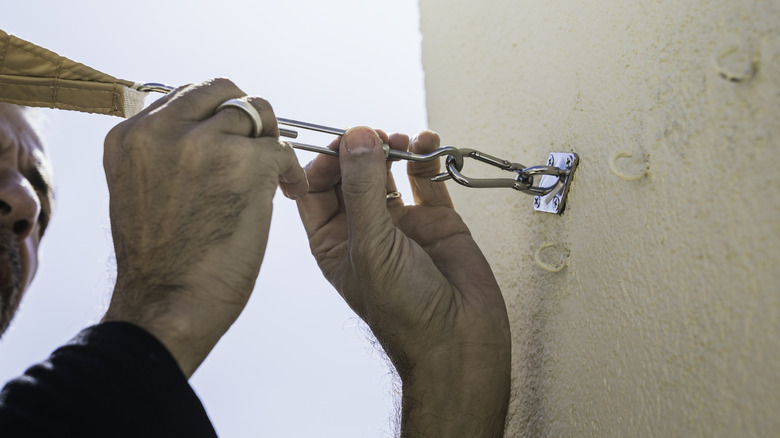
Regular inspections are necessary regardless of the shade material. Check the fabric for tears, loose or damaged stitching, fading, or stretched areas. Inspect the hardware connecting the sail to anchor points. Loose fittings, damaged cables, or bent hardware can compromise the integrity of the entire shade sail. All of these can cause the sails to sag, so address these minor issues accordingly before leaving them exposed to more weather.
If you decide to pack your shades up temporarily, clean and let them dry completely before storing them in a warm, dry place. To help preserve the fabric and make it easy to put them back up, always follow the manufacturer's guidance on maintenance and storage. Some manufacturers limit coverage to intended uses only, so any damage due to improper use may not be covered. So check the warranty before deciding to leave your sails up all year.