

Bye Plastic Birdbaths: DIY A More Durable Solution With Concrete
We may receive a commission on purchases made from links.
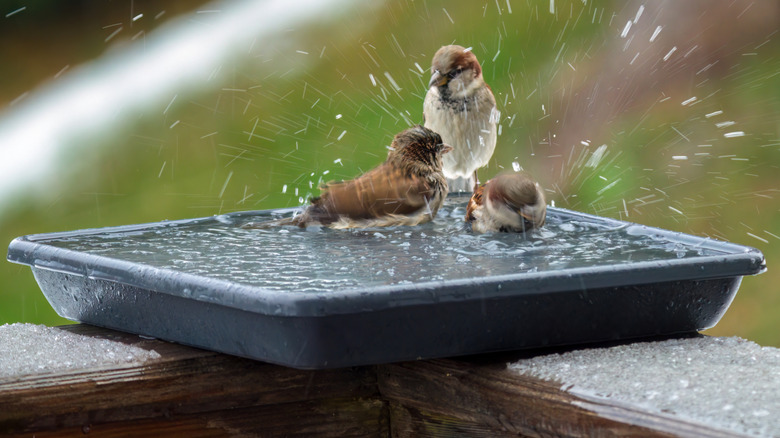
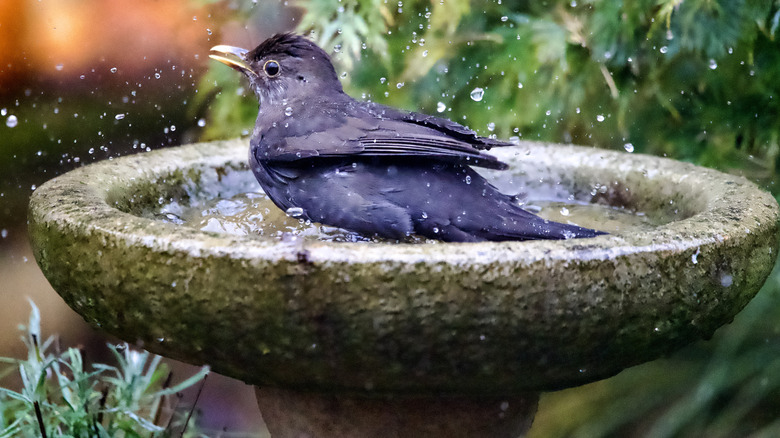
Habitat loss means our native birds are having an increasingly tough time, but you can easily support them by attracting birds to your garden with food, plus water to drink and bathe in. Plastic bird baths are a budget-friendly option, but they don't stand up well to the sun's damaging UV rays or to harsh winters. Concrete, on the other hand, has proven durability and can last decades in all weathers. It's certainly among the best materials for a birdbath that will last, it's affordable, and it's relatively easy to use.
You'll need a bucket to mix the concrete in, some rubber gloves, vegetable oil as a release agent, and something for molds. It's common to use two plastic bowls of different sizes, sitting one inside the other, and a plastic flower pot turned upside down to make the base. There aren't really any rules, though. You can try all kinds of shapes and sizes, as long as one sits inside the other and leaves a gap of a couple of inches for reasonable concrete thickness.
You'll also need some bricks or blocks to weigh the top part of the mold down while the concrete sets and the concrete itself. Ready-mixed bags are easiest to use, but choose carefully. Many have large aggregates (pieces of gravel) that can be too coarse. Something like Quikrete Sand/Topping Mix is much smoother and a popular choice for small- to medium-sized DIY projects.
Making a DIY concrete birdbath and a few creative options
Use kitchen paper to wipe a layer of oil over both parts of the mold. Mix the concrete with water following the ratio provided on the bag. Pour some into the bottom mold, allowing space for it to push up the sides as you add the upper mold. Press down firmly to create the birdbath bowl, and weigh the top part down. Be careful that it doesn't sink too low, or the concrete will be thin and fragile.
You can create the base as a solid, using a plant pot or something similar, or you could make it lighter by putting one inside the other again. Once set (check the bag for time), remove the molds and use construction adhesive to join the two pieces together.
If you're unhappy with gray, concrete can be colored with pigments or stains, although paint isn't a good idea because it might harm the birds. You could experiment with contouring the outside of the birdbath by sticking items like pebbles or cutout plastic shapes to the inside of the larger bowl. Hot glue should hold them in place long enough if you pour slowly. You could also engrave the birdbath once fully cured using a rotary tool like a Dremel.
There are lots of birdscaping tips to turn your yard into a haven for our feathered friends. DIYing a durable birdbath with concrete can be something simple, or you can get creative. As long as it holds water, the birds will be happy.