

Flow Rate Vs Water Pressure: What Is The Difference In Shower Heads?
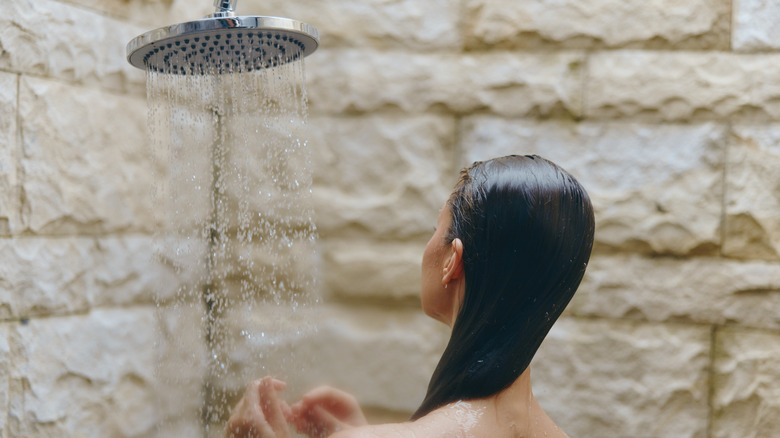
If your shower feels weak, it might be time to consider picking out a new shower head. A new design can provide a more relaxing experience that melts away the stress of the day while conserving water.
However, if you don't get the performance you were expecting after installing a new shower head, you may have a problem with its flow rate or with the water pressure in your home. Understanding how these two things interact can help you get the results you want. In basic terms related to your home's plumbing and shower, flow rate refers to the amount of water moving through the shower head or another faucet. Manufacturers of shower heads will list the flow rate in their specifications, using gallons per minute (GPM). Water pressure, meanwhile, refers to the force used to deliver water through your home's plumbing pipes. It's measured in pounds per square inch (PSI).
Water utilities may use gravity and pumping stations to add pressure to the water supply that eventually reaches your house. Some systems may incorporate pressure-reducing designs, depending on where your house sits on the supply line. Ultimately, water pressure and flow rate work in tandem to give you the desired level of water from your shower head.
How water pressure affects taking a shower
If you don't have adequate pressure from the supply of water serving your home, you may notice that your shower head tends to drip water or create a weak flow. Water pressure is generated by the supplier, though, rather than by the shower head. (Many people use the term "pressure" when they want to discuss a shower's flow rate — a common mix-up.)
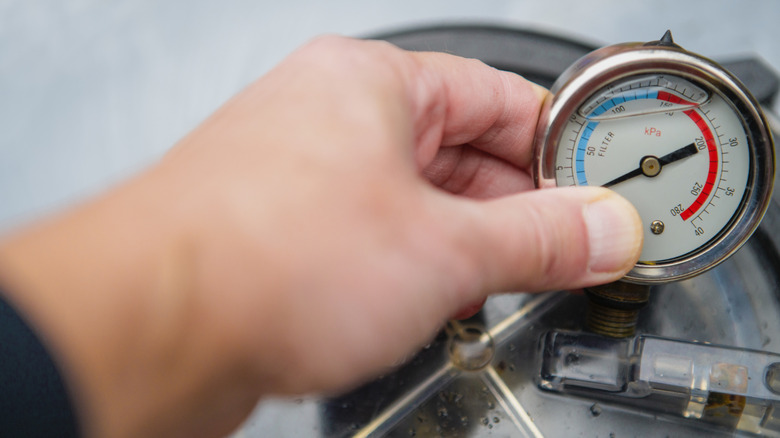
Typical water pressure for a home that receives water from a municipal supplier ranges from 40 to 60 PSI. Water pressure readings lower than 30 PSI or higher than 80 PSI may need intervention to bring them closer to the normal range. If your shower head is not performing as expected and you suspect the pressure is too low, you can measure your water supply's performance by purchasing a gauge at a hardware store and attaching it to an outdoor faucet. Alternatively, you can hire a plumber to do the testing for you.
Some reasons you may be experiencing low pressure include a malfunctioning or partially closed water shutoff valve, a faulty regulator on your supply line, and leaking or clogged supply pipes. Before looking for tips to boost water pressure in your home, ask a plumber for an inspection. A plumber might fully open the supply valve, adjust the valve that controls the pressure setting, or replace the regulator on the line to try to increase the force behind the water. If it remains low, they may suggest adding a pressure booster to your supply line to increase the PSI to an appropriate level.
How to determine flow rate from a shower head
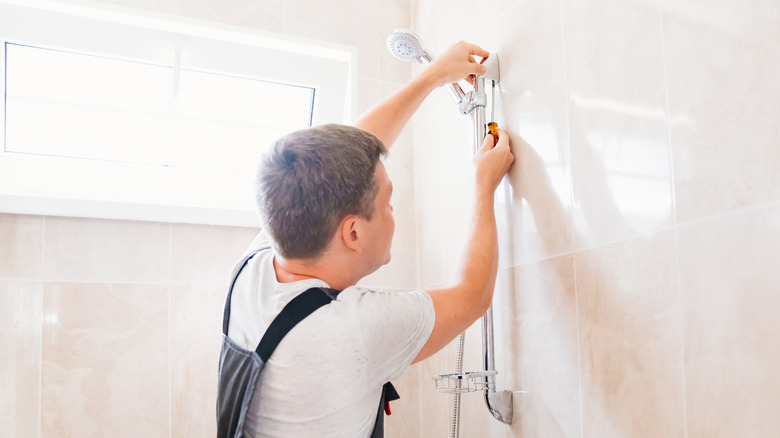
If the pressure in your water supply line is at normal levels, a shower with a weak stream probably has a low flow rate. One possible reason for this is using a low-flow shower head, which will have a rate of 2 GPM or less. (A standard shower head delivers 2.5 GPM.) Lower rates can help you save money on your utility bill by using less water in each shower, and states like California and Colorado require a setting of 2 GPM or less when installing a new unit. However, some of the disadvantages of low-flow shower heads include a stream of water that may be narrower than you want for a comfortable bathing experience.
If you believe your shower head's flow is lower than what the manufacturer promises, grab a 1-gallon bucket. Measure how long it takes to fill the bucket, and then do the math to determine the flow rate in gallons per minute. If your shower head is delivering well below the GPM that the manufacturer promises, you may have scale buildup that's blocking the interior of an older shower head. If this isn't the issue, you might have a leaking or clogged plumbing pipe that's supplying water to the bathroom or shower, which is more common with older steel or iron pipes. If you suspect this to be the problem, you may need a plumber to inspect the pipes behind walls or in crawl spaces to track down the cause.