

Not Aloe Vera: The Medicinal Plant Gardeners Have Used To Attract Pollinators To Their Garden
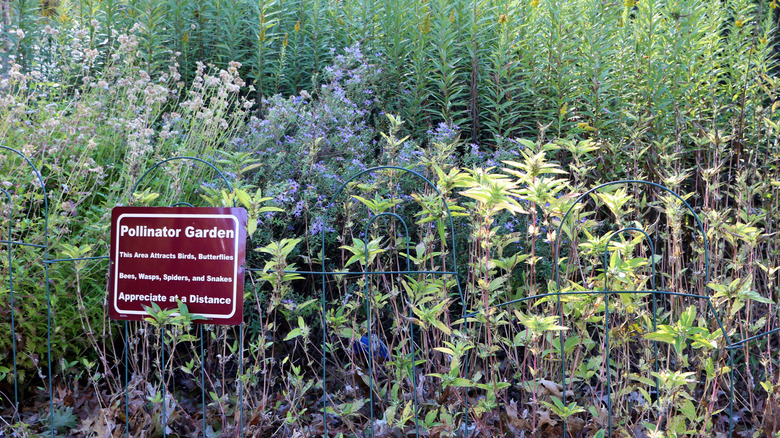
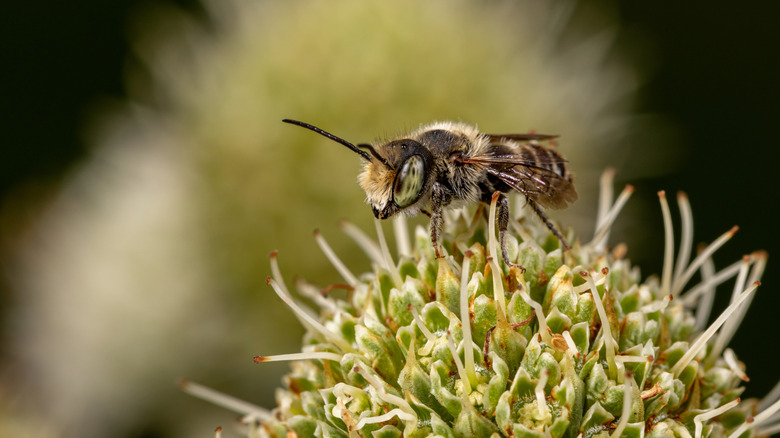
Rattlesnake master (Eryngium yuccifolium) is a tall, spiky, weird-looking plant that is actually part of the carrot family. Not that you'd know it to look at it, but if you rub a leaf or snap a stem and sniff it, it smells of carrot leaves. It's also one of the best plants for a pollinator garden. It has long stiff blue-green leaves and produces spikes of flowers that look like small prickly golf balls. Its native habitat is the prairies, savannahs, and open woodlands of the U.S. Those odd little flower balls attract droves of pollinators as well as beneficial predatory insects. Bees, wasps, butterflies, and certain flies flock to this plant when it's in flower. It's a great native perennial to add to your garden if you are trying to make it pollinator-friendly.
As well as being a master gardener, I'm also a huge history geek and a master herbalist, so this plant speaks to me on many levels. It has an interesting history, which has given rise to its wonderfully dramatic name. It was used for centuries by Native peoples medicinally, ceremonially, and practically. Some, for example, used preparations of this plant to protect against bites in rattlesnake ceremonies and still others used it to treat everything from rattlesnake bites to venereal diseases. Do note, however, that there's no conclusive scientific evidence to suggest this remedy works, and all snake bites and other complaints should be treated by a healthcare professional. Because the leaves are so tough and fibrous, they were also used for weaving everyday items such as baskets and sandals. Today in the garden it adds interesting structure and texture, provides huge numbers of tiny summer flowers, and draws in a steady stream of hungry pollinators.
Give rattlesnake master plenty of sun and choose its location carefully
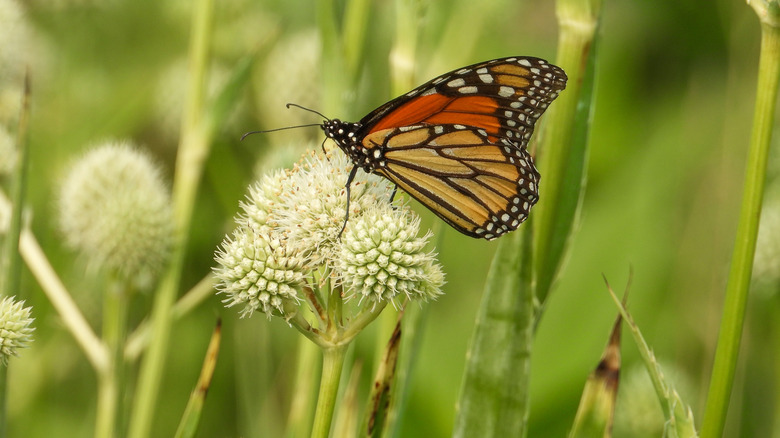
This tough little prairie plant likes plenty of full sun but prefers a lean growing medium. It doesn't like excessively nutrient-rich compost and fertilizer. Rattlesnake Master will grow in almost any soil, ranging from sandy or rocky to loamy or clay, although it does tend to perform best in a well-draining location. It establishes itself relatively quickly and once it has, it's drought-tolerant and can reach up to 5 feet tall and 3 feet wide. It does need plenty of space so as not to crowd out other plants. With its height you can use it at the back of a bed and it also works well in amongst native grasses, cone flowers, blazing stars, and other native prairie-style plants.
For the most reliable germination, rattlesnake master requires cold stratification. The easiest way to give the seeds this treatment is to plant them outdoors in fall. Plant them in their final or permanent location, making sure that you clear the area of weeds and that the soil is relatively fine and crumbly. Using this method means that your seeds will get a natural period of cold stratification over winter. If you miss the fall planting window, however, you can cold stratify the seed for about a month yourself in your refrigerator before planting out in spring. If you are planning a pollinator garden then I'd recommend you plant several of these together, as the grouped planting is an easy trick to help pollinators the flowers more easily and, of course, provides additional food for them. Once the plant flowers in summer you can expect a wide variety of pollinators, including native bees, butterflies, moths, beetles, flies, and wasps.
Tips to help your rattlesnake master thrive
The best advice I can give you for helping this rugged prairie plant really thrive is to leave it alone. It doesn't require lots of helicopter plant parenting or intervention and in fact you can damage or even kill it by being too attentive. One thing you can do is provide support for those tall stems to stop them flopping over. With excessive nutrients or shade you end up with weak lanky growth, which will require staking. This plant prefers lots of sun and fairly lean soil to mimic its natural habitat. Because of the nutrient issue it's also not advisable to fertilize this plant unless you know your soil is particularly depleted. Rattlesnake masters also have a large, deep taproot, so they are not good candidates for moving or transplanting. Hence, if you're starting a pollinator garden and want to include rattlesnake master, you should direct sow it in its permanent location.
There are few significant pest or disease issues with rattlesnake master, but in particularly hard winters, when food is scarce, voles may occasionally feed on the crowns. If you don't want this plant to take over large swaths of your garden, you may want to remove the spent flower heads before the seed matures. Otherwise you'll end up plucking out lots of volunteer plants next spring. If you've got plenty of other hardy perennials around or dense mats of low-growing ground cover, then I'd encourage you to leave at least some spent heads to overwinter. They provide interesting structure in the winter landscape and give overwintering beneficial insects somewhere to hide. Plus it feeds the birds.