

Say Goodbye To Traditional Planters – Amazon Has A Game-Changing 'Lightweight' Solution
We may receive a commission on purchases made from links.
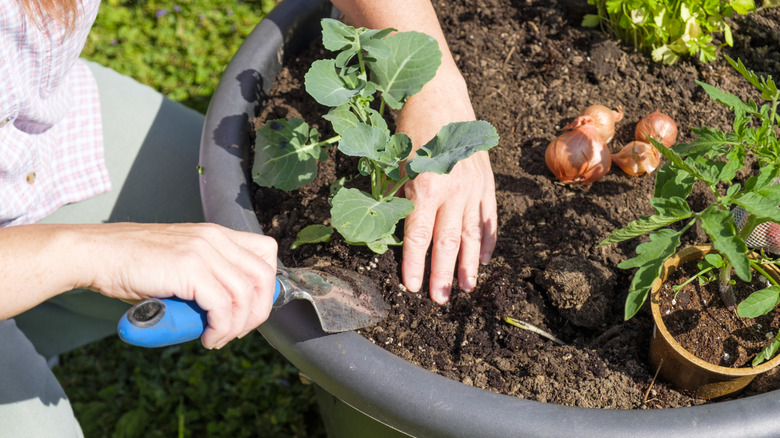
If you want to grow vegetables like potatoes, tomatoes, cucumbers, or sweet potatoes, you need to ensure that your planters are large enough to fit the plants' root and tuber needs. Even cold-season crops like broccoli and cauliflower have extensive root systems that should be considered. The problem with choosing large planters is that they can get quite heavy, making them difficult to move around if you need to, and they can be cumbersome to store over the winter months. But thankfully, Amazon has a game-changing solution that's lightweight and functional: Cavisoo Potato Grow Bags. These fabric bags give your plants plenty of growing room while folding down for easy storage, making them a practical alternative to bulky pots.
Even though they are labeled for potatoes, you could consider using these grow bags for tomatoes as well as other edible crops. You can get a five-pack of these 10-gallon fabric bags for under $20, making them very affordable. Each bag has two reinforced handles, so you can move it around relatively easily. While they are lightweight and easy to fold up and store at the end of the growing season, bear in mind that they'll be a bit more weighty once you've filled them with potting mix. In most cases, you should still be able to drag them around using the handles, but a better solution is to invest in Bamworld plant caddies that the bags can sit on and that you can easily wheel around.
Tips for using fabric grow bags instead of traditional planters
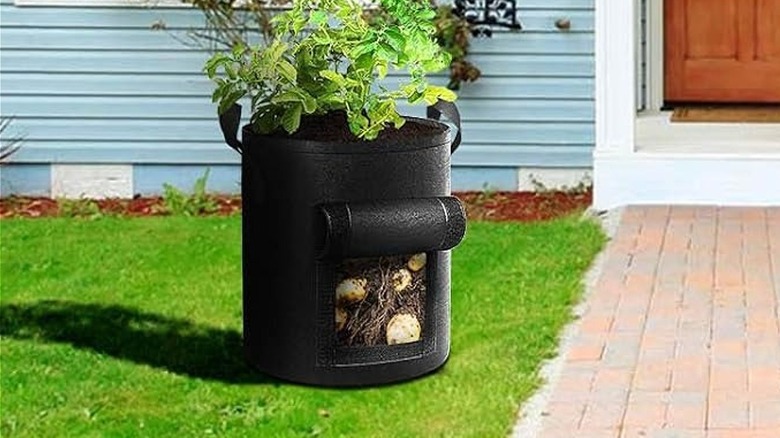
While there are plenty of advantages of using fabric grow bags instead of traditional planters, such as their reduced weight and easy storability, there are some things to consider. For starters, be prepared for some potting mix to fall out if you open the window flap. You shouldn't expect to see loads of tubers like shown in the photos. If you want to harvest early potatoes, you will need to gently dig around a bit to find them. Because the fabric expands under the weight of the potting mix, lining up the Velcro-type sections can be difficult. Some customers reported that the window flaps were much smaller than they expected — around 4 inches square.
If you're going to be positioning these grow bags on a patio or veranda, you'll want to put something underneath each one so that damp base doesn't soil your pavers. That's another reason why using plant caddies under these is such a good idea. The fabric needs to be porous so your bags drain freely, but wet fabric sitting on clean outdoor surfaces can make quite a mess. Raising the bags off the solid ground also improves drainage, but it may mean you have to water more often. This is because their tendency to dry out quickly is one of the hidden downsides of fabric grow bags.
Finally, if you plan to store your bags in the garage or basement over winter, make sure you know how to clean and reuse them correctly. Before folding them up and putting them away for winter, clean them thoroughly and let them dry completely. This helps prevent leftover soil and moisture from creating unpleasant odors, mold, or other problems while they're in storage.