

Test Your Soil Before Aerating Your Lawn
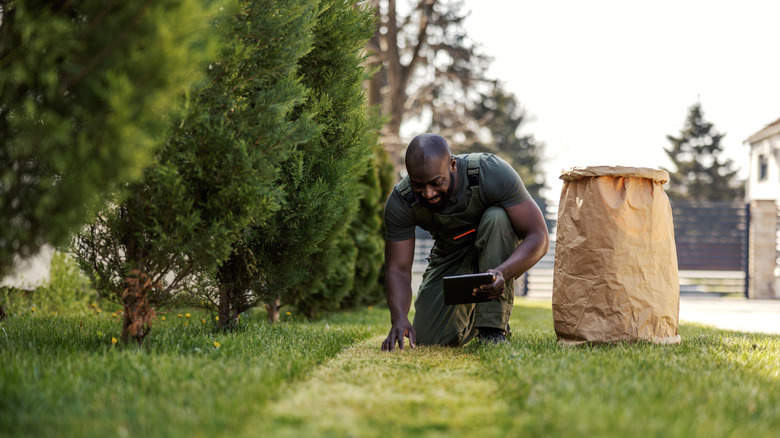
If water isn't draining in your yard the way it should and the soil is rock hard, it's time for you to aerate your lawn. However, while the grass might be in desperate need of water and air circulation, it might not be ready for your aerator. That's because you don't want to aerate your lawn when it is either waterlogged or too dry. So, with one hand on your sprinkler and an eye on the forecast, be sure to check the moisture level of your soil.
The best time to aerate your lawn depends on the type of grass. For cool-season grasses, the ideal time to aerate your lawn is early fall, when the threat of weeds and heat have passed. Warm-season grasses need aeration in late spring when the grass is still actively growing. Further, your lawn needs about four weeks of good weather to recover, so once you know it's due, aim for early in that window. Soil moisture matters because it determines how deep the tines can go, and how easily they can pull out a plug of soil. If the soil is too dry, the tines won't go in deep enough, and if it's too wet, it gets sticky and you end up with a mess. Worse yet, wet aeration compacts the soil even more. Aeration isn't a chore most people have to repeat every year, and when it's done right, it loosens the soil and encourages new root growth.
How to check soil moisture before aerating your lawn
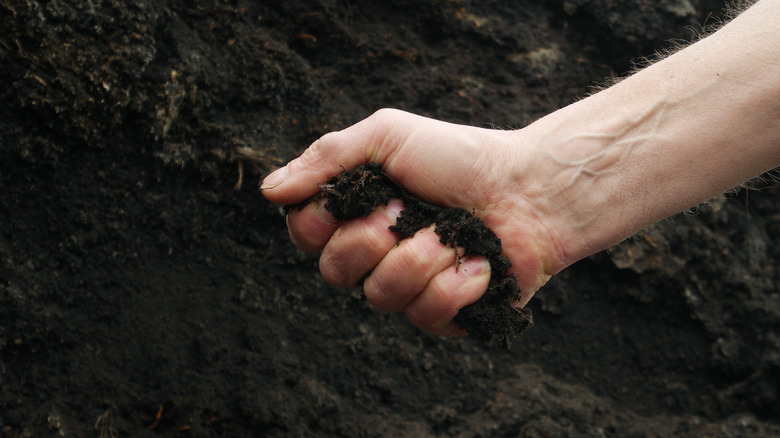
Aerating in soil that is too wet or too dry is one of the common mistakes people make when aerating their lawn, so check your soil before you start. You want damp soil, but not waterlogged. Since aerator tines reach about 2 to 3 inches deep, dig into the top few inches with a trowel or shovel and pull some soil out. Squeeze it in your hands, and if it's too dry, it won't form a ball, but if it's too wet, excess water will drip out. It should be somewhere in between, where it somewhat balls up and feels moist. Check a few places around the yard, especially in low spots or areas with heavy clay that naturally dry more slowly.
Before you aerate your entire lawn, run a test strip in an out-of-the-way spot to see if it's working right. When the core aerator is pulling up plugs about ¾-inch in diameter and 3 inches long, you're set. But if the aerator tines won't penetrate or you're pulling out short, stubby plugs, that means the soil is too dry. In that case, water your lawn one to two days ahead of aerating and give it time to soak in. When soil sticks to your shoes and the tines get clogged with mud, it needs time to dry. If any parts of your yard won't dry out, check for causes like failed French drains or problems with a downspout.