

Does Homeowner's Insurance Cover Roof Replacement?
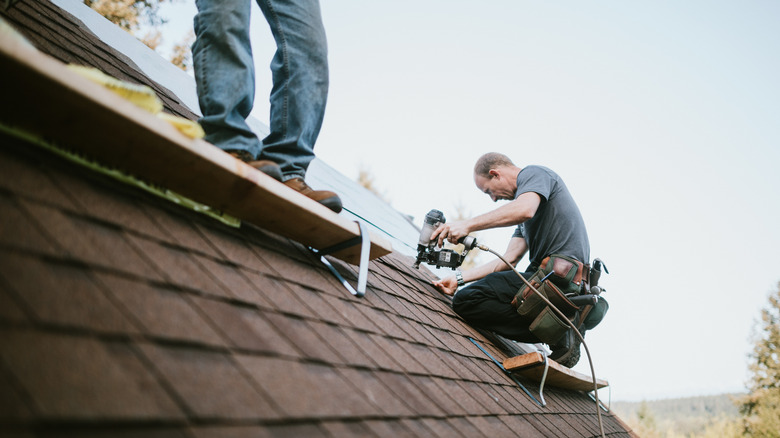
A home is only as strong as its roof, and if this protective layer is damaged or was poorly installed, it's much more than just a cosmetic issue. A bad roof can lead to major leaks, structural damage, and mold growth if the problem isn't properly addressed, so if you're starting to notice early symptoms, they're clear signs your roof needs replacing ASAP. The problem? This isn't exactly an affordable project. Replacements cost between $4 and $11 per square foot on average, resulting in a bill that can easily climb into the tens of thousands of dollars. While you might look to your homeowner's insurance to help you front the cost, the unfortunate truth is that these policies won't cover replacements unless the damage was caused by specific events.
You may need homeowner's insurance if you're taking out a mortgage on a new home, but these policies aren't intended to cover regular maintenance or damage from standard wear and tear. Think of it like car insurance — you'll probably get a payout if there's an accident, but you're on your own for oil changes. Replacements that are necessary due to sudden damage from a falling tree or fire, for example, are often covered, but those that are needed simply because of age are not. To make matters even more complex, certain policies exclude some "perils," or damaging events, so there are some cases where you'll still be expected to pay out of pocket for an unexpected roof replacement.
Situations where homeowner's policies will cover a replacement
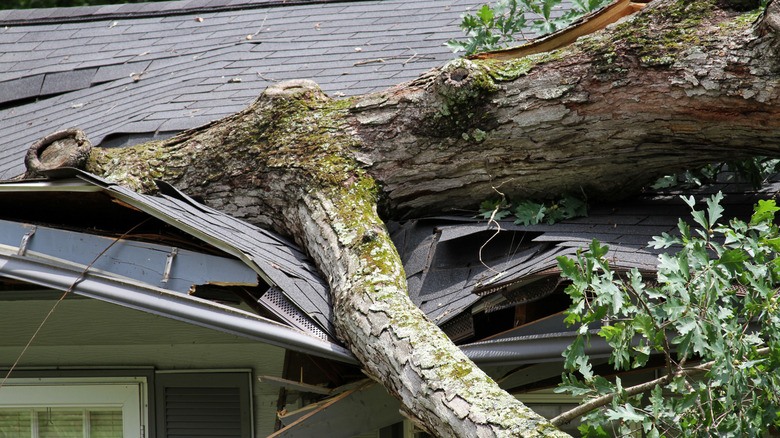
When it comes time to choose a homeowner's insurance policy, you have two options: a named perils policy and an open perils policy. Named perils policies cover exactly what they state in the policy and nothing more, while open perils policies generally cover sudden, uncontrollable events with the exception of a few listed exclusions. Before filing a claim for a roof replacement, you'll need to look at your specific policy and the perils that are included or excluded. As a general rule of thumb, most cover 16 different things, ranging from the weight of snow after a particularly heavy storm to a volcanic eruption. Human-caused perils are often covered as well, including damage stemming from vandalism, aircraft, and riots.
With that being said, however, there are some common exclusions that you might not expect. Earthquake and flood damage coverage don't come standard with most policies, so if you want to make sure your home is insured for natural disasters, you'll likely need to purchase an add-on. Additionally, you'll need to meet your deductible before you actually see any benefits from your insurance company. This amount can vary widely from policy to policy, so it's another case where you'll have to take a look at your contract to determine exactly what you can expect in terms of coverage for your new roof.
Ways to minimize the cost of a roof replacement if it's not covered by insurance
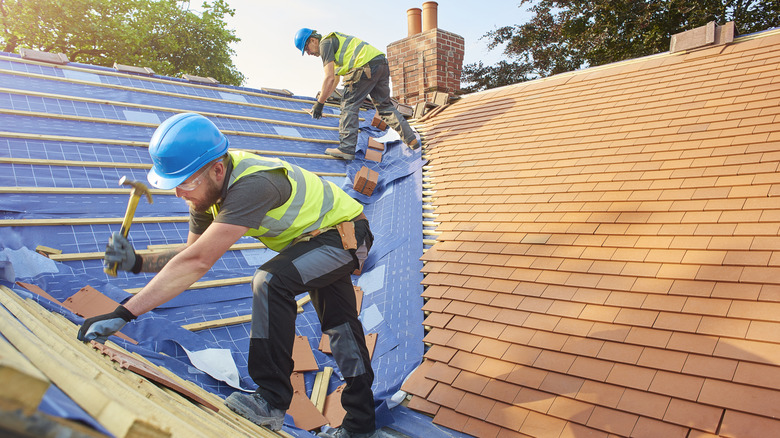
If your situation is covered, homeowner's insurance is by far the best way to get your roof replaced for free. If you're not so lucky, however, there are some alternative approaches you can explore. Government grants and financing can minimize the burden of such a large purchase if you qualify. Even if you don't, something as simple as shopping around or waiting until the off-season can help to minimize costs.
The United States Department of Agriculture and the United States Department of Energy both run grant programs for homeowners who are looking to improve their space. The former, frequently called the Section 504 Home Repair Program, provides grants and loans to low-income families who aren't able to afford repairs or qualify for financing. The Department of Energy program, on the other hand, is more focused on reducing energy costs for low-income households through improved weatherization — roofing plays a major role in this, so you could get funding for a new roof in addition to other improvements.
For those who are above the income requirements for these programs, there's always the option of financing. Credit cards, cash-out refinancing, private loans, and home equity loans can provide you with an immediate supply of cash that you'll then pay off over time. While it might feel a bit risky to borrow money for a large project like this, making the necessary repairs as soon as your roof shows signs of needing replacement will save you from much more overwhelming costs down the line.