

Can You Aerate A Wet Lawn?
Even though you might not know it, lawn aeration is essential to keeping a healthy lawn. In fact, most lawns should be aerated every one to three years to keep soil loose and roots thriving. Achieving a thick, vibrant carpet of grass requires getting air, water, and nutrients straight down to the root zone. However, trying to accomplish this task under the wrong weather conditions is one of many mistakes everyone makes when aerating their lawn that can completely derail your hard work in a matter of minutes. While you cannot control the weather, you can control the timing.
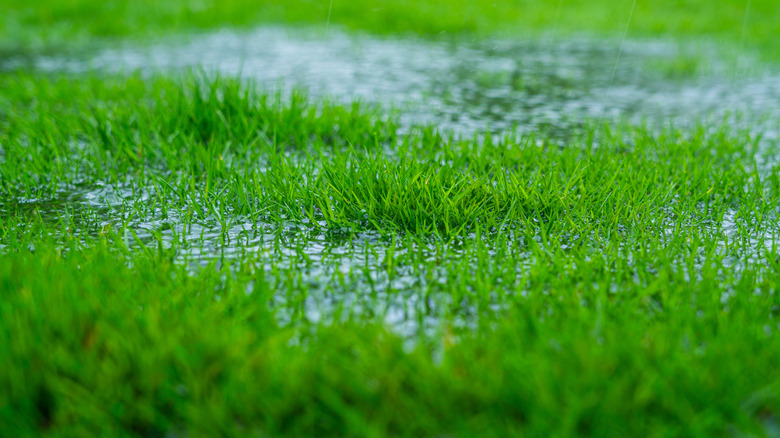
For starters, you should avoid aerating a wet lawn — in fact, you should wait until the ground dries out. Aerating wet soil causes two major issues: soil compaction and turf damage. First, instead of pulling clean cores, wet soil smears and packs together under the weight of the aerator, increasing compaction rather than relieving it. Second, this leads to messy, muddy plugs that smear across the grass, and the machinery tires can tear up rutted, fragile turf.
Instead, try to aerate your lawn when the soil is moist, but not soaking wet. Using a screwdriver hack is an easy way to tell if you need to aerate your lawn and check moisture levels — stick your thumb or a small screwdriver into the ground. If it goes in easily, with no mud or water on it, then the ground is perfect. If it turns to a muddy paste or leaves a track, wait until the soil is a bit drier. If there's been heavy rainfall, give your lawn 24 to 48 hours of dry weather to drain before aerating.
How to prep for best results
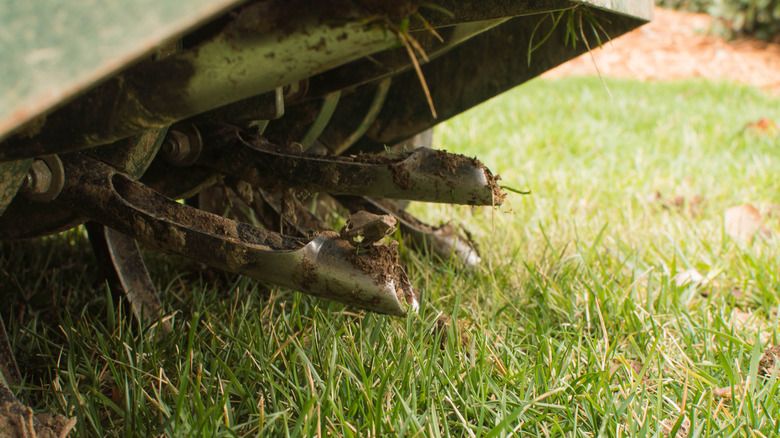
Knowing how to aerate your lawn for healthier grass starts with understanding core aeration. This process extracts small cores of dirt and buildup to break up compacted soil, allowing air, water, and nutrients to reach the root zone. Doing it correctly ensures quick turf recovery and dense, healthy growth. The first thing to keep in mind is the timing and seasonal window. Timing aeration to your grass type's peak growth window allows it to recover quickly and outcompete weeds. Cool-season grasses, like Kentucky bluegrass, perennial ryegrass, or fine and tall fescue, should be aerated in early fall or early spring. Fall is ideal because soil temperatures are warm, weed competition is low, and roots are actively expanding. Warm-season grasses like bermudagrass, zoysia, and St. Augustine should be aerated in late spring to early summer, when the grass is actively growing and can fill in open plug holes quickly.
Timing is one thing, but there are also some pre-aeration preparation steps to consider. Proper prep protects underground utilities, keeps machines from getting damaged, and gets maximum tine penetration. Before you begin, use irrigation flags to mark sprinkler heads, valve boxes, shallow irrigation lines, and landscaping borders. This will help you prevent costly equipment or property damage. Also, mow the grass a little shorter than normal the day before you aerate, since short grass prevents the tines of the aerator from tangling and makes it easier to pick up debris.
How to properly aerate
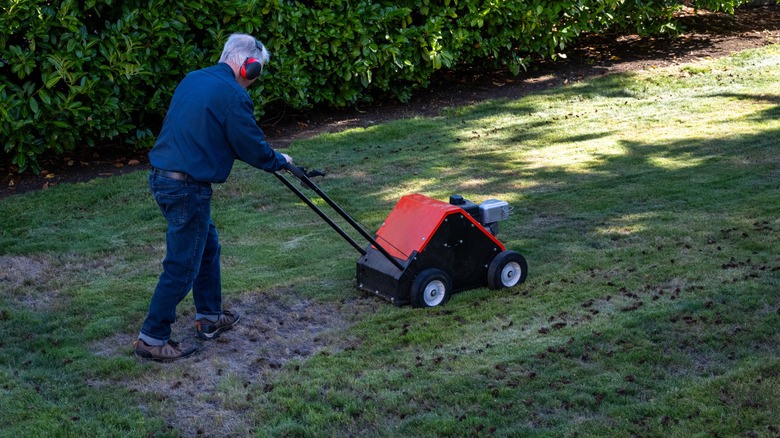
Always use a hollow tine (or core) aerator rather than a spike aerator. Spike aerators puncture the soil but move it to the side instead of out, resulting in increased compaction along the hole walls. Core aerators pull out real dirt plugs, opening up the soil to loosen, breathe, and soak up nutrients well. Spread the lawn in a grid pattern, all over the place. For heavily compacted areas or yards that have not been aerated in years, go over the yard a second time at a right angle to the first pass. When turning, to prevent tearing the turf matrix, disengage or lift the tine drum off the ground.
After you've aerated, you'll want to maximize the open soil channels immediately to supercharge turf health. While it might be tempting to rake up or throw away the soil cores, leave them on the lawn. In about one to three weeks, they break down naturally with rain, mowing, and earthworm activity, returning beneficial microorganisms to the surface. Once you're done aerating, seed immediately. Drop grass seed in the holes within 48 hours of them opening, since seed that drops into aeration cores makes contact with the soil directly and improves germination. After seeding, apply a balanced starter fertilizer that is high in phosphorus to help fuel deep root establishment. Finally, give your lawn a good soaking with a light, gentle spray. If you are over-seeding, keep the top inch of soil evenly moist for 10 to 14 days. If you are servicing established turf, resume deep watering on a weekly basis.