

How Long Does An Open Bag Of Bird Seed Really Last Before It Goes Bad?
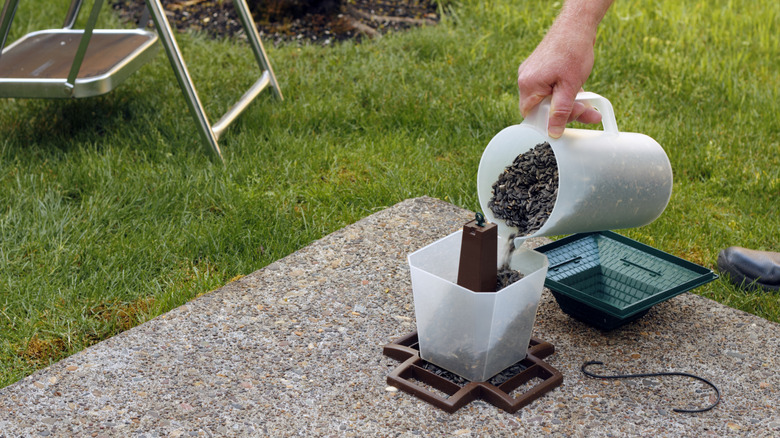
The quickest way to ascertain product safety is to check the expiry date. Sadly, unlike cosmetics that carry cute open-lid symbols indicating the timeframe within which they should be emptied, bird seed packets don't offer that information. This is despite them being perishable. In fact, other than a feed chart and ingredient list, you'll be lucky to find hard data about their shelf life.
So, how long can you expect an open bag of bird seed to last before it turns rancid? Typically around six to 12 months, according to the Wild Bird Feeding Institute, unless stated otherwise by the manufacturer or on the product label. For instance, Lyric's wild bird food products may last more than 12 months after opening, provided they're properly sealed and stored after every decanting. In contrast, Audubon Park's wild bird seed mixes may only last a few weeks when stored in air-tight containers. Wild Birds Unlimited advocates a seasonal approach, encouraging people to store bird seed only for a month during winter and not more than two weeks during summer. Though this doesn't instinctively imply that their products will go bad on day 32.
That being said, bear in mind that seed variety and storage conditions play a bigger role in determining freshness and usability of open seed packets. And if birds stop eating at or visiting your feeding stations, take it as a cue to check for spoilage. Musty odor, white mold, clumping, a major insect infestation, or seed germination are all signs that you must bin the seeds.
Opened seed bags stay fresher with optimal storage
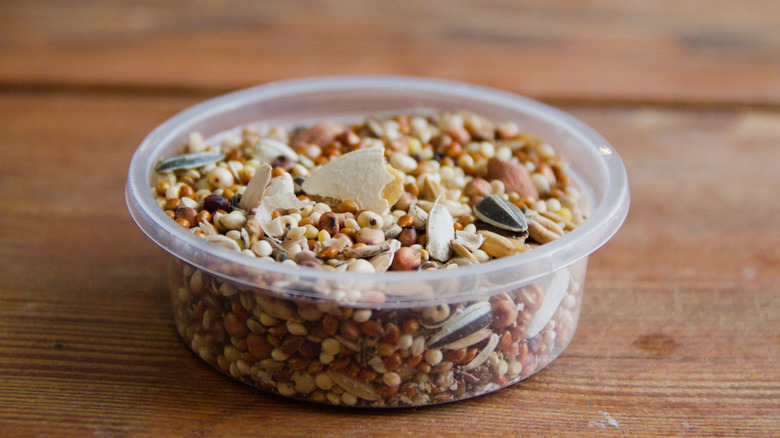
While ballpark figures are great to determine the usability of opened bird seed, they don't carry much weight if you don't follow specific storage guidelines. For instance, if you've been making seed storage mistakes, like leaving the bags outside near the feeder, exposed to sun, hail, and rain, don't expect them to last long. Since seeds contain fats and oil, they react with moisture or heat (especially during summers), oxidizing and spoiling. Moreover, wet seeds can turn into a breeding habitat for mold. And although not too common, some molds can produce aflatoxins, which can kill your feathered friends.
Overheated seeds, in contrast, lose their flavor and nutritional value over time. Even though they aren't harmful per se to birds, they taste dry and wouldn't provide the necessary nutrients, which defeats the purpose of putting up bird feeders. So, it's not just propane tanks you should keep in the shade. Try to include bird seeds, too, and keep them away from heat or damp sources, including doors and windows.
Seeds will also turn stale quickly if decanted into thin or loosely-lidded plastic containers that don't keep air or pests out. Removing them to paper or cardboard boxes for further storage also shortens their usable lives. The bird seed storage tip that will help it last all season long involves keeping the packets in a dry, cool place where temperatures are consistently maintained between 40 and 70 degrees Fahrenheit. Breaches above 80 degrees Fahrenheit will spoil the seeds.
Not all bird seeds last long
Another facet worth examining is the seed variety. Typically, oil-rich foods, such as black oil sunflower seeds and hearts, oxidize quickly after moisture exposure, lasting about two months from opening. However, they may stay fresh for longer if they're shelled, since the outer covering creates another layer of protection. The downside, of course, is the greater mess underneath your feeders. To make them last, store them in airtight containers with secure lids or galvanized metal bins.
Nyjer seeds, in comparison, grow stale even faster, as they're highly sensitive to humidity. When wet, they clump up, becoming moldy or rotten. One way to avoid this is to add a desiccant like a silica gel packet around the seed bag (not inside it) where humidity levels widely fluctuate. However, do note nyjer seeds are imported into the U.S. after undergoing sterilization to prevent sprouting. For this reason, they're quick to dry in warm areas. When their oil content diminishes, goldfinches quickly lose interest and will quit consuming them. So, even if the seeds look fine aesthetically, consider squashing a few to check for oil on a tissue if they've been in storage for a couple of months. Refrigerating them may help, too.
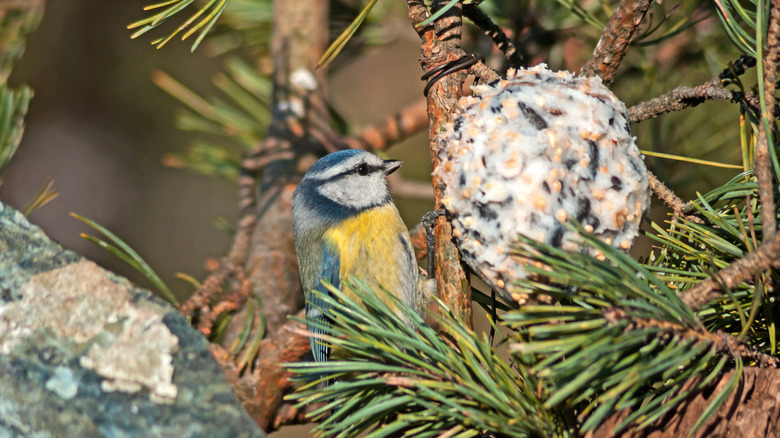
Suet cakes, prepped commercially, may carry a best-before date. Where not, unless they're a no-melt variety or you keep them frozen, expect them to last a month at most after opening. Common grains, such as oats, millets, or corn (except when it's cracked), can stay fresh longer. You may have to factor this when dealing with mixed blends, though they too will go bad quicker if they include fruits or peanuts.