

10 Signs Your Retaining Wall Is About To Fail
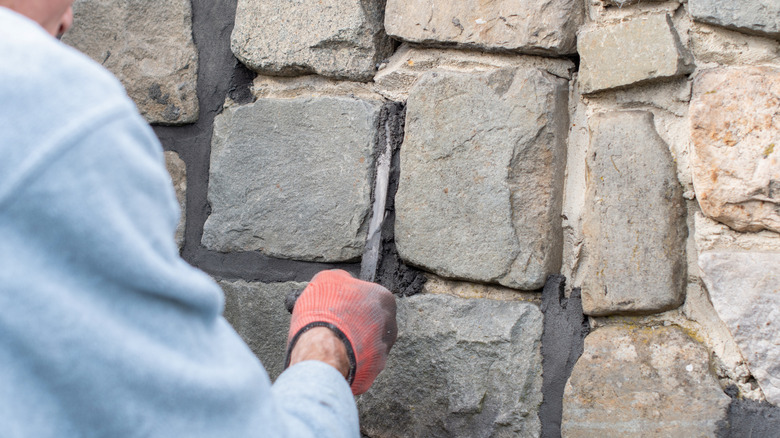
Some people build retaining walls to hold back a sloping yard. Others build it because it makes their landscape look good. Either way, it feels great when the last stone of a retaining wall goes into place. Here is the thing, though: a retaining wall is not something that you can just build and then forget about. It needs a bit of attention from time to time. Why? Well, because these structures can fail over time, and when they do, it gets messy. The good news? Retaining walls often show warning signs before they fail. Take, for instance, water pooling at its base, soil spilling through the gaps, or bulging in parts of the structure.
But why do retaining walls fail? There are several reasons, with water being the most common troublemaker. That is because when water from rain or other sources gets trapped behind the wall, it piles on heavy pressure onto the retaining wall until something gives. Bad construction is another reason. If the retaining wall does not have a proper base or is not built from quality materials, it can fail over time as well. So make sure you know which warning signs to look for, as it can help you catch such problems early and address them before they get worse — typically by calling in a professional.
A retaining wall that is leaning or tilting outwards
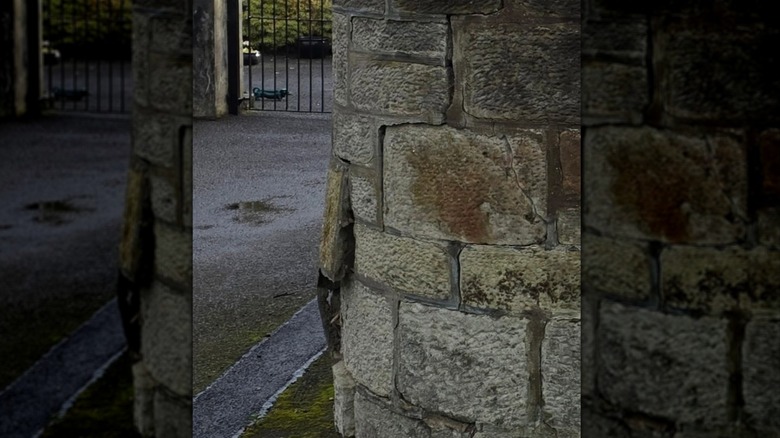
If your retaining wall is leaning or tilted outwards, it is the clearest sign that it has started to fail or is about to fail, and most often water or bad drainage is the culprit, as it puts enormous pressure on the wall if it is pooling behind it. Likewise, poor foundation and poorly compacted soil can also be the problem. Sadly, though, there is no easy fix for this. Most of the time, you will need to dig behind the wall, fix any drainage issues and then rebuild the wall.
Cracks are appearing on the retaining wall
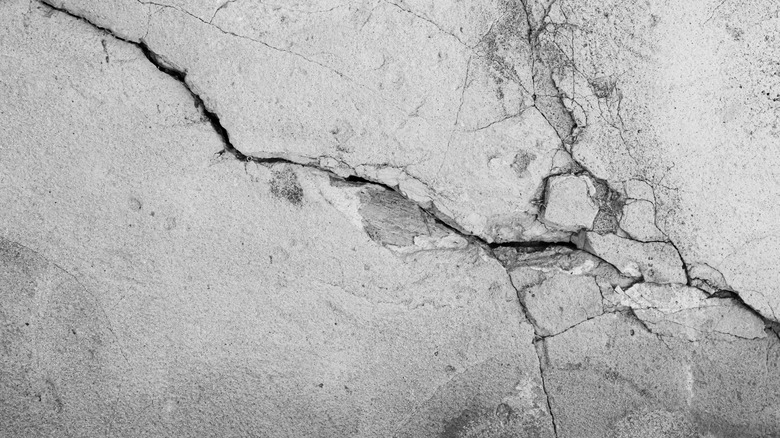
Another sign that shows that a retaining wall is about to fail is cracks appearing on it, especially the ones that keep growing in size or appear sideways in a stair-step pattern. This again happens because of pressure. However, repeated freeze and thaw cycles or ground settling unevenly can also cause these cracks. So, if you see these cracks, find out what is stressing your wall and then take appropriate measures. Also, keep in mind that not all cracks mean structural failure. For instance, tiny hairline cracks are usually more cosmetic than structural.
Retaining wall sections are separating at the joints
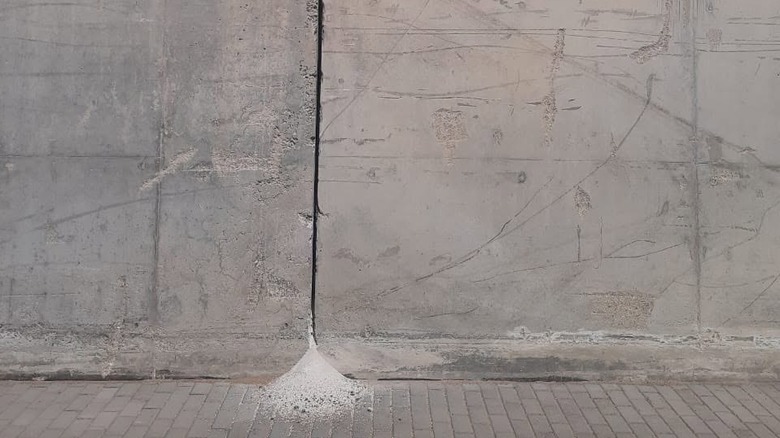
Depending on the retaining wall material you use, there might be joints between the blocks or stones. However, if these gaps are getting wider or the blocks seem to be separating, take it as a warning sign. It might mean that the retaining wall is about to fail. Worse yet? These gaps can allow soil to wash out, and you can't just fill these separating joints with mortar and call them fixed. For a real fix, the stones or blocks need to come out, and the affected section needs to be rebuilt.
Water accumulating behind the retaining wall
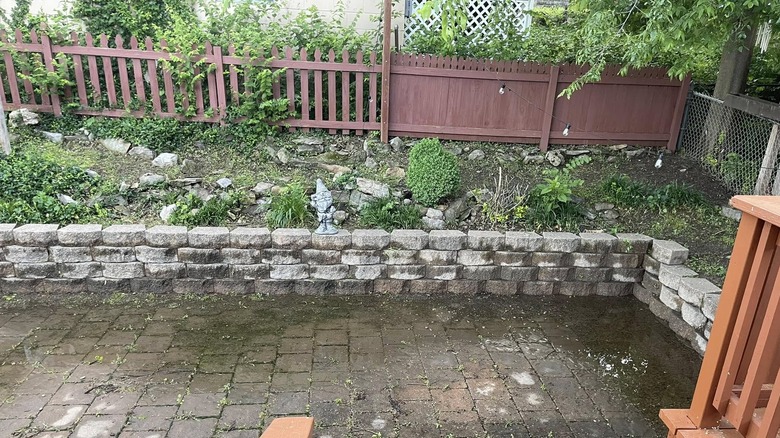
Think of a retaining wall as a dam of dirt: water behind it creates pressure, and the more that collects, the more pressure builds. In fact, water pressure can more than double the force on the wall, so if you are seeing puddles forming behind your retaining wall after every rainstorm, it is not something that you should just shrug off. Instead, figure out the root cause. Maybe the weep holes are blocked. Or maybe the soil is compacted. Either way, you need to fix the problem and stop the water from accumulating.
The wall's drainage holes are blocked
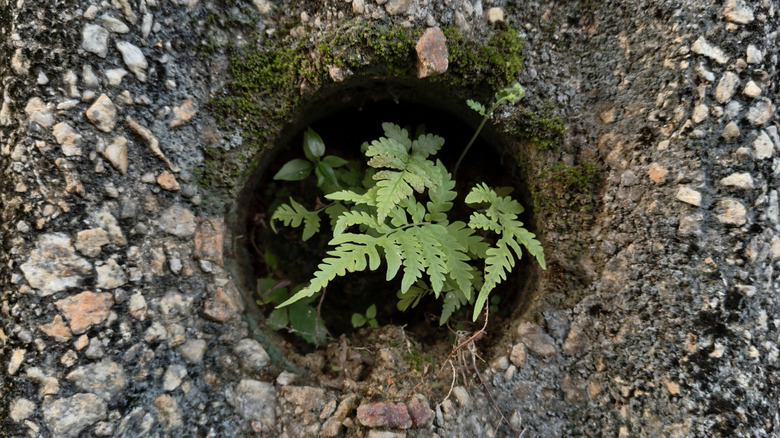
People often keep drainage or weeping holes between the blocks or stones when building a retaining wall, and their job is to act as an escape hatch for water. However, they can easily get clogged or blocked and that can indicate retaining wall failure. So, make sure that you check them regularly. If, however, they are not blocked but are still dry after a rain, the problem might be deeper, and in that case, you might have to dig behind the wall, fix any compaction or drainage issues, and that can be quite expensive.
Water suddenly starts seeping through the retaining wall
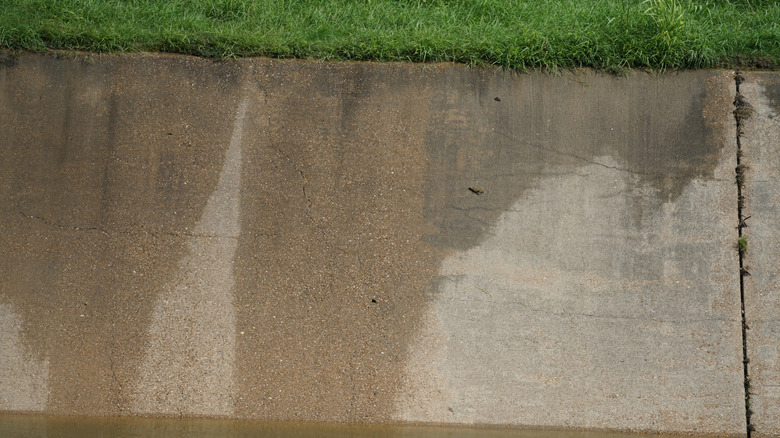
Water coming out of weep holes in a retaining wall is good. It means they are doing their job. If, however, water starts seeping through the cracks of a retaining wall suddenly, that is not something you should take lightly, as it can point to a structural failure. Sometimes this water might also accompany soil particles. Either way, keep your distance from the retaining wall in such situations and find the root cause. Also, depending on the cause, fixing the retaining wall may involve fixing leaks, improving drainage, and repairing damaged sections.
White, chalky deposits showing on the retaining wall
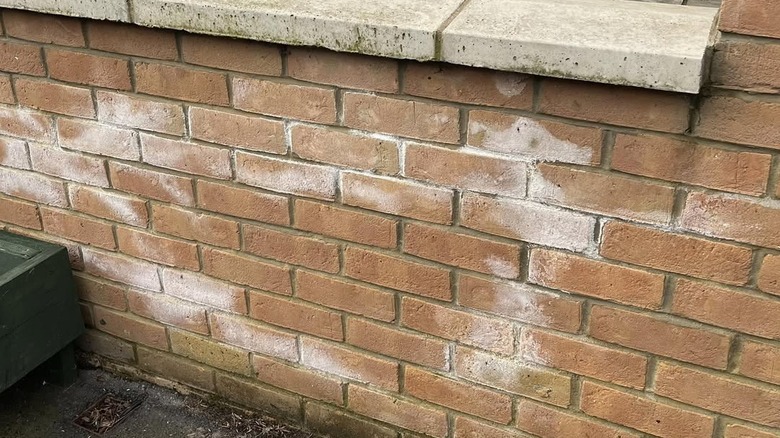
In some cases, you might not see water seeping, but there might be white, chalky stains on the wall. That is another sign that your retaining wall is leaking water. They sometimes form when water is moving through the wall, and it evaporates because of heat or wind, leaving behind mineral deposits that are often white. So, what's the fix? Well, once again, find why water is leaking and fix the problem. Don't just ignore these mineral deposits. It is a mistake that will cause your retaining wall to collapse over time.
Soil is washing out through the retaining wall
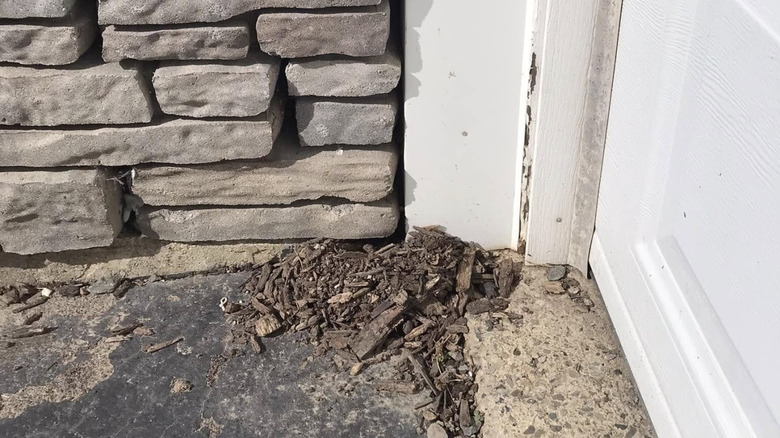
Seeing tiny piles of soil accumulating near the base of your retaining wall is another sign that it is about to fail, and you need to do something about it. This again often happens because of water. When water from rain or another source moves through the cracks or weep holes of the retaining wall, it can sometimes carry soil with it. The more it happens, the less stable the wall might become as space forms behind it. To fix it, call a professional and have them figure out the root cause.
The ground at the bottom of the retaining wall is swelling
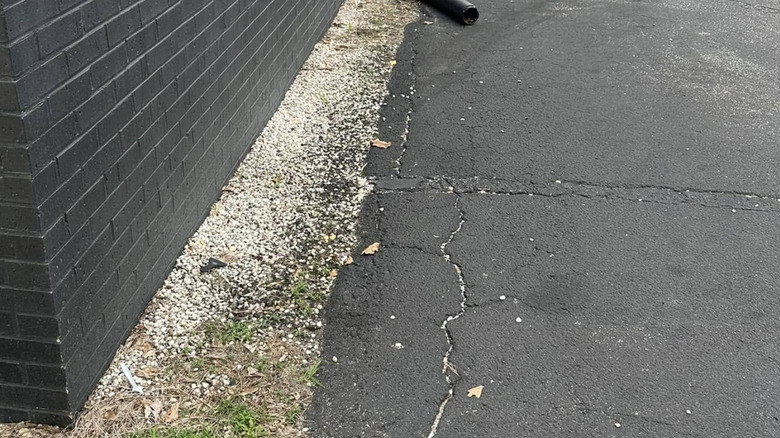
Is the ground near your retaining wall puffing or making a mound? Don't ignore it. It is another sign that your retaining wall is about to fail. This swelling, also called soil heaving, can happen when the wall starts sliding under pressure from the soil behind it, and a weak foundation or excess water can make things even worse and can bring the whole wall down. So, if you see this happen, call a pro and have them take a look at the wall and suggest relevant fixes.
A gap between the retaining wall and its base
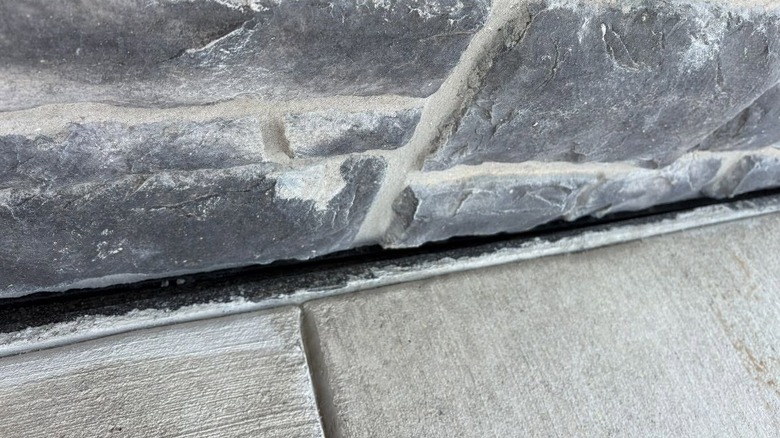
Another sign of a failing retaining wall is seeing a gap between it and its base or the soil behind. This happens mainly for two reasons: either the wall is moving forward, or the soil is sinking or washing away. Worse yet? This gap can leak water, which can wash away more soil, leading to an increase in its size and over time, it can cause the wall to fall. And no, you can't just fill the gap and call it fixed. You need to fix the problem behind the gap first.