

Why Drainage Matters Behind Concrete Blocks In A Retaining Wall
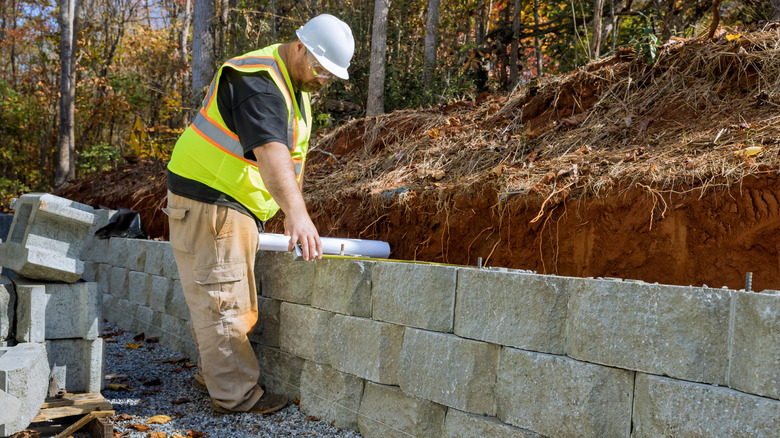
If you have a sloped yard on your property and live somewhere that receives regular rain, soil erosion can become a major problem. Over time, rainfall washes away soil, creating a muddy slurry that not only makes a mess but also harms your lawn, removes healthy soil, and clogs nearby drains and waterways. One way to prevent this is to build a retaining wall. Concrete blocks are one of the best materials for this structure, as they're heavy, sturdy, and durable. However, to protect your outdoor landscape with a concrete retaining wall, it needs proper drainage to prevent water from becoming trapped.
The wall's job is to stop water from washing away soil, but it still needs to drain out somewhere. Without a drainage source, water can get stuck behind the concrete blocks. Trapped water creates pressure, known as hydrostatic pressure, which builds up alongside the retaining wall. Over time, this can lead to cracks that compromise the concrete's structural integrity. Forgetting to install a drainage system is a commonly overlooked mistake that can cause your retaining wall to collapse.
Plan your drainage system before building your retaining wall
Proper drainage requires more than just holes or gaps between the bricks. An effective retaining wall drainage system has several components. First, to prevent soil from being in direct contact with the wall, excavate enough space for backfill between the soil and the concrete. This backfill layer, composed of gravel or crushed rock (make sure it is not too fine to ensure sufficient drainage), sits behind the wall and lets water drain to the ground. Plan for at least 12 inches of backfill, and place a geotextile fabric layer between it and the soil to prevent dirt particles from clogging your drainage system.
The backfill layer prevents hydrostatic pressure from building up against the wall. Once water drains to ground level, it needs to be rerouted. This is where a French drain comes in. This perforated drain pipe sits under the backfill layer and runs along the bottom of the retaining wall. As water drains through the gravel backfill, it enters the pipe, which carries it away. The water will eventually need to exit the pipe, so position the spout somewhere that can handle the outflow.
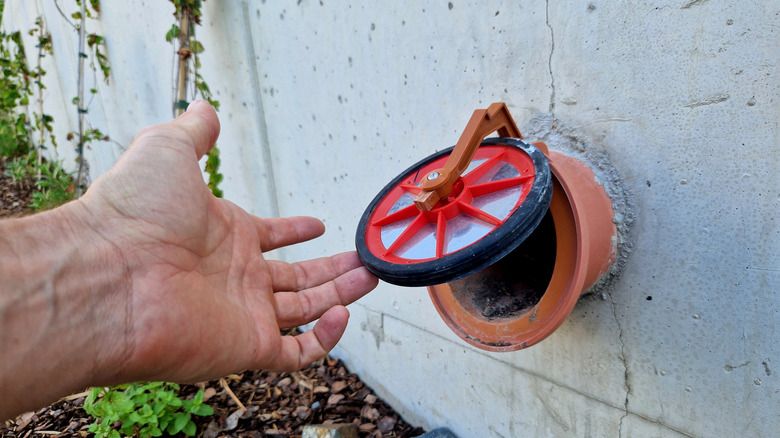
If your retaining wall is taller than 4 feet, it's also a good idea to add weep holes. These tiny spaces are positioned along the bottom of the wall to help reduce water pressure. They work with your French drain; since it is perforated, excess water flows out of the pipe and through the weep holes, preventing backup during heavy rainfall.
Maintain your drainage so your retaining wall lasts for years
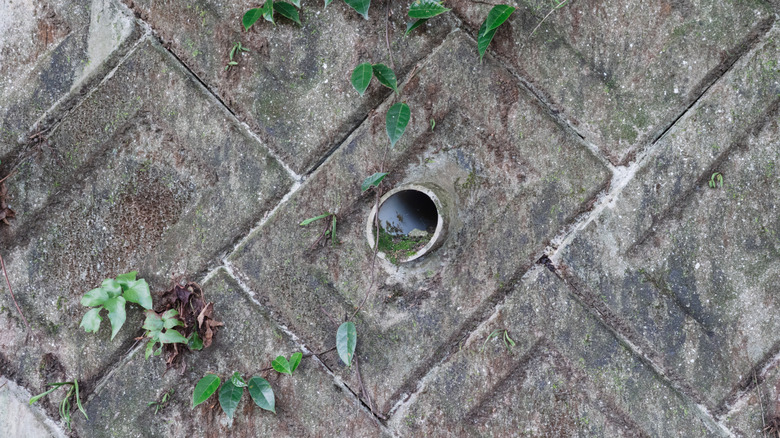
Your wall's drainage needs regular maintenance to ensure water drains properly and doesn't build up behind it. This is especially important during seasonal weather changes, such as sudden increases in rainfall during spring or the freezing and thawing cycles that happen with the onset of winter. The most important retaining wall maintenance step you shouldn't skip is checking the drainage for clogs. Leaves, dirt, grass clippings, gravel, and ice can clog your drain pipes or weep holes, so regularly inspect for blockages.
You should also check for signs that moisture is building up behind or within the concrete. Cracks or bulges in the wall often mean lateral pressure has built up behind the wall. Mineral deposits on the exterior of the wall indicate that moisture is seeping through the concrete and leaving stains on the wall face after it evaporates. Standing water around the bottom of the concrete is another red flag and could mean that the drain pipe is clogged and isn't correctly moving water away from the wall. If you see any evidence that your retaining wall's drainage system isn't working properly, it's time for an inspection and possibly repairs before water causes additional damage.