

Protect Backyard And Garden Plants From Salt Damage With A Simple Solution
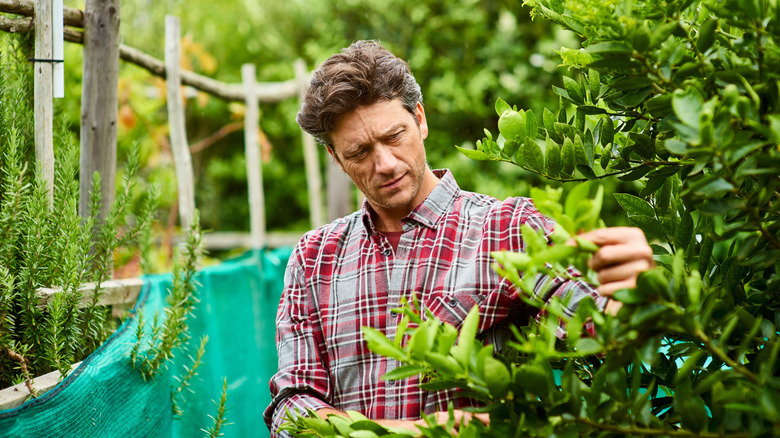
You probably already worry about how roadside salt can end up damaging your plant life. High levels of sodium can harm soil and plant life in a number of ways. It hurts the yield of edible plants and stunts the growth of grass and ornamentals. The damage happens because the salt prevents water from reaching plant roots. It can also create an impenetrable surface crust that leads to poor drainage. Depending on the pH level of your soil, road salt can also wreak havoc with soil texture, leaving either very crumbly or very greasy soil in its wake.
Amending your soil with gypsum can help combat excess salt. This naturally occurring compound, known chemically as calcium sulfate, helps replace sodium ions from road salt in the soil with calcium ions. The effect is long-lasting. This gives you more bang for your soil amendment buck because gypsum is a relatively inexpensive additive. Gypsum also improves the texture of clay soils, which clump together and make it harder for plant roots to spread.
It's important to understand that gypsum doesn't work on every type of salty soil. Soil that's naturally saline probably won't be improved by gypsum. But sodic soils, which tend to be on the alkaline side, can be improved with the addition of gypsum. A soil test can determine whether your soil is sodic based on results for factors like soil pH and electrical conductivity. If the soil is sodic, the results will help you determine how much gypsum to apply to counteract excess sodium from road salt.
How to use gypsum in salt-damaged gardens
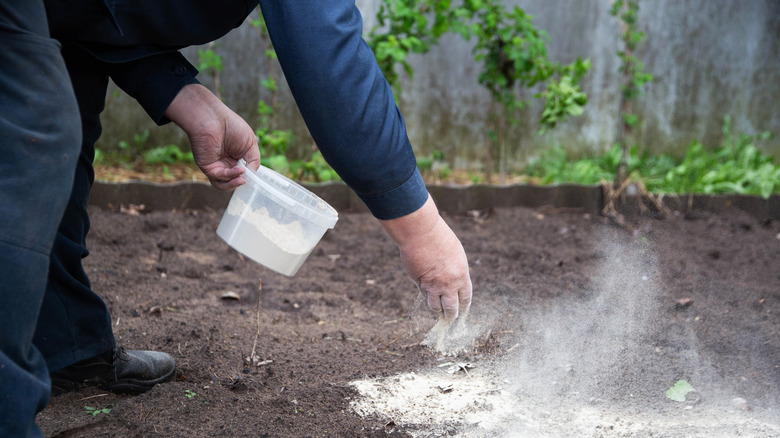
Spring is the best time to repair the damage done by road salt. A 40-pound bag of gypsum will cover 1,000 square feet of salt-damaged lawn or garden soil. Dust the soil surface with the gypsum, then till the amendment into the top 6 to 8 inches of soil. Water the area much more thoroughly than you normally would. Apply about 6 inches of water to the soil, allowing it to slowly seep in and flush out the sodium.
If an existing lawn shows signs of damage, the process for adding gypsum is slightly different. Tilling a lawn is impractical. To add gypsum without removing any grass, simply broadcast the gypsum on the surface of the soil at the recommended rates and water deeply. The best sort of spreader to fertilize your lawn — or to add amendments like gypsum — is either a broadcast or a drop spreader.
What if you have more salt damage than you do money for soil amendments? In that case, turn to some free or less costly fixes and preventative measures. For example, one way to protect your garden from deadly winter salt damage before winter storms is to cover plants with tarps or burlap wraps. Once spring arrives, thoroughly rinse off plants like small trees, shrubs, and perennial groupings. In addition, consider watering commonly damaged areas like lawns with two or three inches of water from your hose. This will helps flush the salt deeper into the soil as the water is absorbed.