

Landscape Fabric Or Organic Mulch For Vegetable Rows?
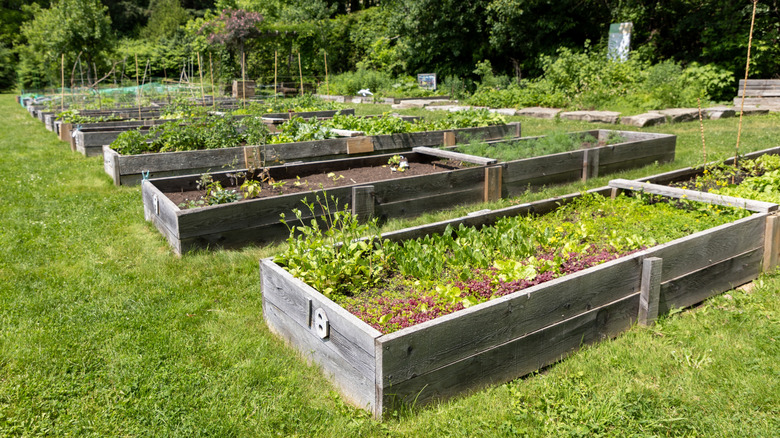
When you plant a vegetable garden, you typically also water it often, apply fertilizer or compost regularly and generally create the ideal conditions for your plants to grow. Unfortunately, that also creates great conditions for weeds to grow. So using some form of prevention is an important way to keep weeds out of your vegetable garden. But that's where the question comes in: What should you use to suppress those weeds?
You'll find plenty of weed-control products at the store, but two common options for vegetable gardens are landscape fabric and organic mulch. In most cases, your best bet is to stick with an organic mulch. While once trendy, there are many downsides to using landscape fabric that make it more trouble than it's worth. It will work temporarily to block weeds. However, some landscape fabrics can interfere with water infiltration or soil aeration particularly when they become clogged with sediment or organic debris. Synthetic landscape fabrics can shed microplastics into the soil which may contaminate your harvest. And it becomes less effective over time as it wears down, allowing weeds below to break through. As dirt and organic matter accumulate on top of the landscape fabric, you'll also find that weeds can grow happily on top of the fabric.
When it's time to remove the fabric, roots and accumulated soil can make the process tedious and time-consuming. Those downsides of landscape fabric alone make organic mulch the better choice in most cases. But there are also benefits to organic mulch (and a variety of types to choose from) that give you even more reason to use it. With that said, there are some limited situations where landscape fabric can be useful.
Why organic mulch is usually the better choice
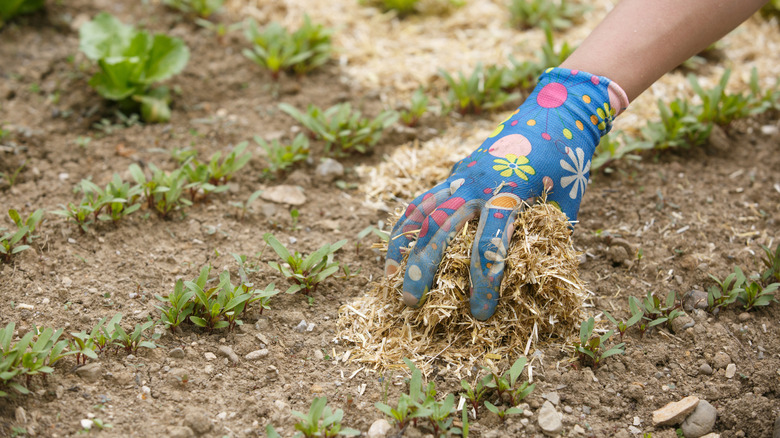
Organic mulch is generally a better long-term choice for suppressing weeds around vegetable plants. Unlike synthetic landscape fabric, organic mulch gradually breaks down and can improve the soil while protecting the plants growing in it. Organic mulches will regulate soil temperatures and hold in moisture. When your plants start to bear fruit, it will also keep those fruits from touching the dirt, which helps prevent rot. They also achieve what is potentially your main goal: suppressing weeds.
Other benefits include reducing soil erosion, supporting healthy root growth, and moderating soil temperatures, which can help create more favorable growing conditions. While they do eventually break down, even that decomposition process is beneficial to your soil. Organic mulches will eventually become compost that mixes into your soil, replenishing the nutrients taken up by your plants over the growing season and improving the soil's structure. The composting process will also boost microbial activity, supporting beneficial microorganisms and suppressing harmful soil-borne diseases.
There are lots of different types of organic mulch you can choose from and you may even have some ingredients to use in a DIY mulch in your yard already. For example, shredded fallen leaves, pine needles, and plain, uncoated cardboard can all be used as mulch. Other popular choices include wood chips and straw. Choose whichever one best fits your budget and aesthetic choices.
When you might want to use landscape fabric
Many horticultural experts discourage the use of landscape fabric anywhere near the roots of plants that you actually want to thrive. That means it shouldn't be used to cover vegetable garden rows. However, durable woven landscape fabric can be useful for suppressing weeds along walking paths between vegetable beds. This can reduce weed growth along walking paths, and keeping the fabric accessible makes it easier to inspect, remove, or replace when necessary.
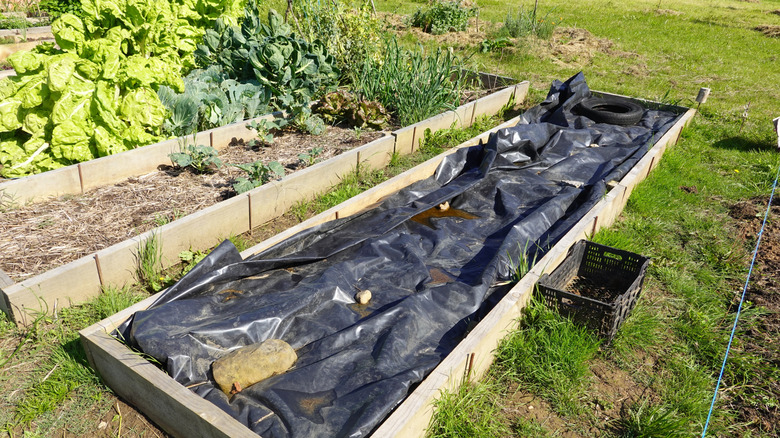
You can also use a nonpermeable landscape fabric to prep garden beds for planting using a weed-killing method called occultation, which involves covering the soil with an opaque tarp or other light-blocking material. The covering blocks sunlight, preventing weeds beneath it from photosynthesizing and eventually causing many of them to die. Some weed seeds may germinate beneath the covering, but the lack of light prevents emerging seedlings from developing normally, eventually killing them. It's a good way to prevent weeds without having to use herbicides and, since you only leave the fabric on temporarily, the fabric won't be degraded or difficult to remove.
Aside from these situations, organic mulch is generally the more practical choice for gardeners who want to improve their soil while suppressing weeds. But if you already bought landscape fabric and don't know what to do with it, you can use it on the floor of your greenhouse or nursery if you have one. Some gardeners also like to place it underneath potted plants that are sitting on top of the ground to prevent the potted plant's roots from escaping the pot.