

High-Lift Vs. Mulching Blades: Which One Helps Prevent Grass Buildup?
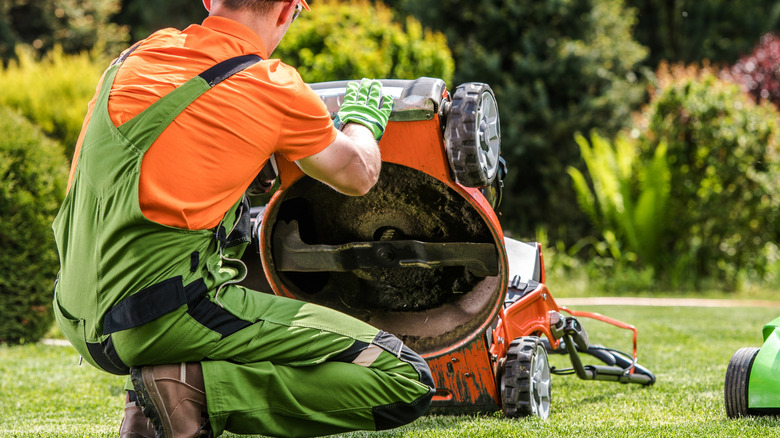
Mowing your lawn in peak summer months is a regular routine for many homeowners. For some, the fresh air and exercise make the experience enjoyable enough, but the ongoing chore of maintenance takes effort. Part of the challenge is figuring out what lawn mower blades should be used and when — and how the cleanup will turn out. Knowing how to choose the right type of lawn mower blade comes down to understanding how every blade style interacts differently with moisture, grass height, and airflow, directly impacting how smoothly your mower operates.
While not all lawn mower blades are universal, finding the right fit for your deck makes all the difference, as the wrong type of blade for your turf can turn a simple mowing job into a frustrating ordeal full of deck cleaning. A little grass buildup on your mower deck is unavoidable since freshly cut wet grass will naturally stick; however, if you are scraping grass buildup every five minutes, you likely have the wrong blade for the job.
Mulching blades are designed to constantly grind clippings so that they may break down and return to the turf without having to be bagged. On the other hand, high-lift blades have larger rearward-facing air scoops, allowing for maximum suction underneath the deck. If the main concern is keeping grass from building up underneath the deck, high-lift blades will be the right choice for cutting thick, wet, or heavy grass. Mulching blades are most effective when cutting dry, short grass with standard mowing practices.
How high-lift blades prevent deck buildup
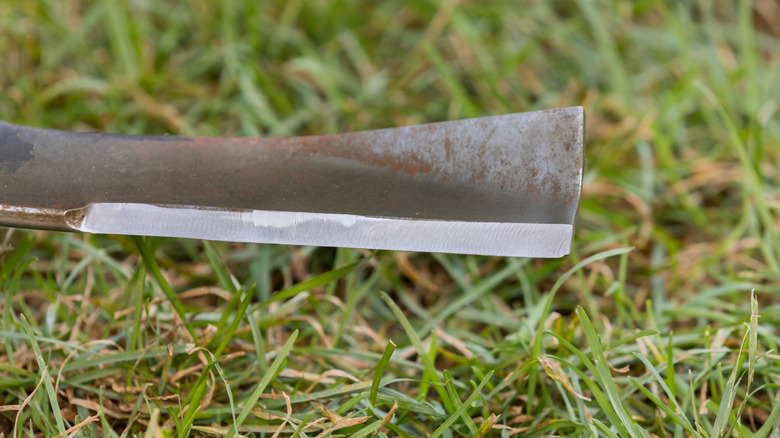
High-lift blades feature large, steep rear "wings" or sails behind the cutting edge. This shape functions like a high-powered fan, generating high static air pressure and continuous upward suction beneath the mower deck. As grass is cut, this strong airflow lifts bent blades upright for a uniform cut and immediately ejects clippings out through the side discharge chute or into a collection bag before debris can settle.
By maintaining fast air speeds inside the housing, high-lift blades prevent wet clippings from collecting and matting down into a thick, glazed mess on the deck. Trapped, wet grass cuttings inside the housing cause choking, reduced engine performance, and large clumps of wet grass falling to the lawn. High-lift blades clear the chamber with each rotation, making them perfect for times of increased grass growth in the spring, wet weather, or any situation where bagging or side discharging requires higher-than-normal air velocity to clear the housing of clippings.
When (and why) mulching blades cause deck buildup
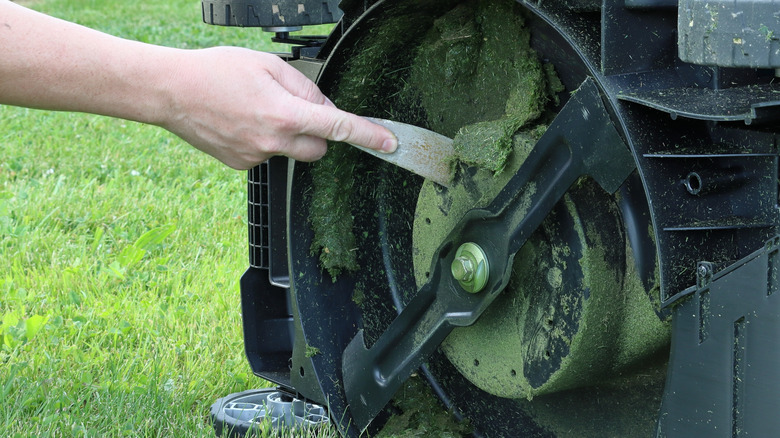
Imagine a food processor, only miniature and mounted to the bottom of your mower deck. These specialized blades do not have a single cutting edge like your average lawn mower blade. They have multiple edges that undulate throughout the length of the blade, creating a whirlpool effect. This causes the grass to be cut and then tossed upward and inward, where the cutting edge will meet the grass two or three times before chopping it into fine mulch that vanishes directly into the turf canopy.
You can use mulching lawn mower blades year-round, provided your turf conditions are right. Because mulching blades produce lower upward suction and rely on keeping grass suspended in the chamber, cutting damp or tall grass instantly leads to clogs. Heavy moisture makes the small particles stick to the bottom of the deck, creating a sludge that stops the blade from moving properly. To make sure the mulching blades don't get blocked in your mower, only use them when the grass is completely dry and follow the "one-third rule" by never cutting more than one-third of the grass height in one go. If your lawn is usually wet, too tall, or tends to form clumps, use a high-lift blade to help keep the mower deck clean.