

Not Just A Wardrobe: The Affordable IKEA Solution That Makes DIY Projects Easier
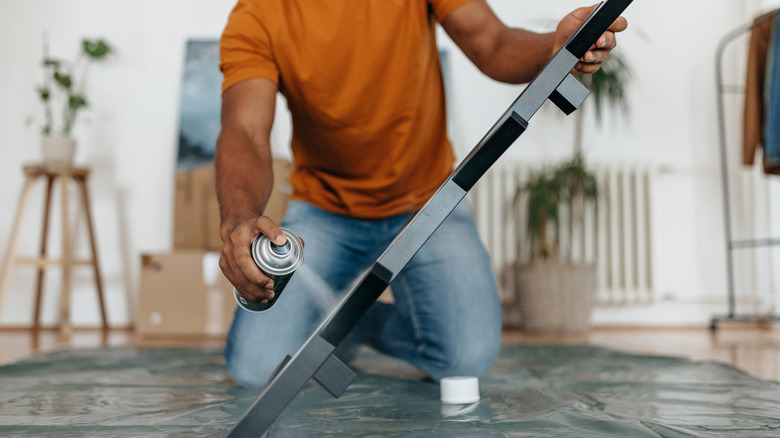
There are plenty of hacks out there that involve transforming IKEA wardrobes into stunning, built-in storage features, but this clever idea flips those DIYs on their head. Instead of the wardrobe becoming a major component in your final product, it can be used as a tool in the process of creating something else — a dopamine decor-inspired picture frame, for example, or a stylish vase that perfectly matches the decor in your living room. While it's originally intended for use as a simple, easily transportable place to hang clothing, IKEA's VUKU Wardrobe can also function surprisingly well as a spray painting booth.
The idea is similar to the pop-up tents often used for spray tans — rather than accidentally coating your home or yard with the overspray while you're working, it's safely contained in a neat little box that can be easily broken down and stored. The big difference? Both spray tan tents and pop-up booths sold for these purposes regularly cost between $25 and $70. IKEA's VUKU is only $12.99. When you're buying something for the express purpose of ruining it with paint overspray, there's no reason to shell out more cash than necessary.
The wardrobe is 20 ⅛ inches square at the top, 29 ⅛ inches square at the bottom, and 58 ⅝ inches tall at its highest point. With a polyester exterior shell, a large zipper that provides access to the interior, and a convenient powder-coated steel rail along the top, this affordable, tent-inspired design is all you need to ensure that your painting projects stay mess-free.
How to use the VUKU for spray painting
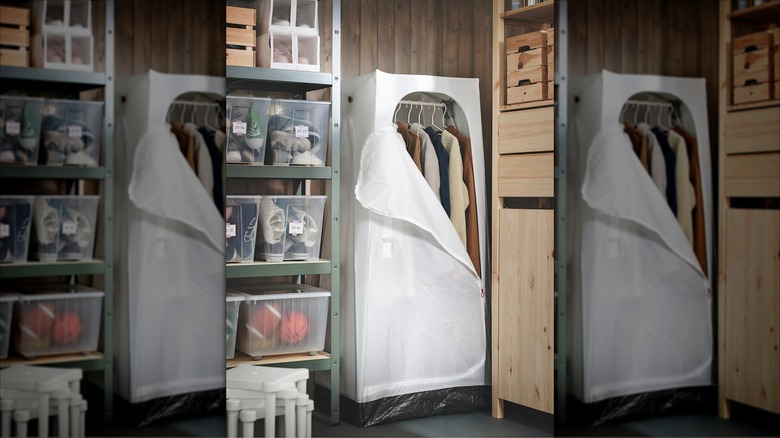
The VUKU isn't large enough to stand inside and paint comfortably, especially if you're spray painting wood furniture or other large objects. Instead, you'll want to open up the zipper and stand outside, using the remaining three walls as a layer of protection. Bigger items can be placed on the ground — the bottom layer of this wardrobe is made of thick polypropylene, so it can withstand direct spray without bleeding onto the floor — but you can also suspend items from the included clothing rail with some string to achieve convenient 360-degree coverage. While the item dries, it will be protected from dust, bugs, and other annoying debris that could ruin the finish.
Keep in mind that the outer layer is made of breathable polyester mesh rather than solid material. The weave is tight enough that it will catch overspray, but if you're right up next to the material with your can, you might end up with some paint getting through to the other side of the fabric. If you plan to turn this painting booth into a more permanent workstation, some clever crafters have also added a ventilation system along the back. A taped-in duct tube connected to an exhaust fan is enough to clear out the majority of the fumes, but if you're planning to use this wardrobe indoors, be aware that the mesh won't completely contain the paint fumes, even when the zipper is closed. Spray painting your DIYs should always be done with proper airflow, both for safety and drying reasons.
How to break down and store the VUKU after your DIYs

The VUKU was made in direct collaboration with tent suppliers, so it's no shock that the process of assembling it and breaking it down feels a bit like camping. The exterior of the VUKU is essentially just a bag, while the interior structure consists of several poles and connection points that fit together to make a basic frame; because of this, assembly and disassembly is easy and doesn't require the use of any tools. Once you're done painting, the VUKU can be broken down, and the parts can be conveniently stored in a box in your garage or crafting room.
Before you pack your tent away, however, you'll want to make sure the paint inside is fully dried to minimize the risk of mess and reduce the chances of any fumes building up or leaching out in storage. This wardrobe is not safe to wash, tumble dry, bleach, or iron, so rather than attempting to clean up the mess after you're done spraying, it's a better idea to just let the VUKU air out and allow the paint to completely cure for a minimum of 24 to 48 hours.