

Are The Leaf Piles In Your Yard Attracting Rodents?
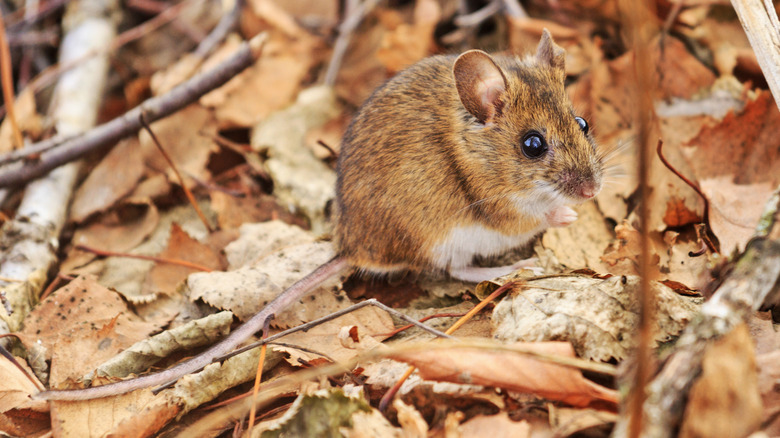
If you're having a tough time keeping rodents from causing problems at your house, you may wonder exactly what is attracting mice to your home and rats to your attic. By understanding the cause, you can take specific steps to keep these rodents away. Ultimately, rats and mice are looking for shelter, water, and food. You can make the area less hospitable by removing these items.
Some of the things mice and rats use for shelter are probably obvious to you, like old blankets in a corner of the basement or a cardboard box with books and old bills hiding in the attic. However, there's another potential reason you're having a pesky rodent problem. Those piles of leaves you carefully raked, then left on the property to provide environmental benefits could be giving rodents shelter, and maybe some food sources. A pile of fallen leaves lets the rats and mice hide from the neighborhood cats and other predators, provides shelter and insulation from cold autumn air temperatures, and draws insects and other small critters the rodents can eat.
You want to keep rats and mice away from your house because they can spread disease to people and pets. And they multiply quickly once they establish nests, increasing the risk to your family and property. Should they eventually migrate from the pile of leaves to your home as temperatures drop, these pests can do a lot of damage to your household, including by damaging insulation or your keepsakes.
Signs you may have mice and rats in your autumn leaf piles
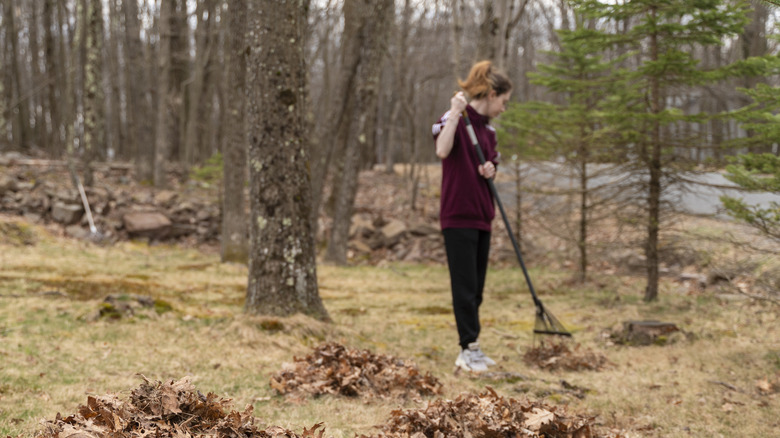
Piles of fallen leaves are popular with rodents for a few reasons. As the weather cools and the days get shorter in autumn, rodents begin looking for warmth and areas to nest. Piles of leaves are thick, which can hold in the rodents' body heat and keep them warmer. The interiors of these piles can be significantly warmer than the bare ground at night. The leaves also keep rain away from the animals. Leaves are good hiding areas, too, as rodents' coloring can partially match brown and yellow leaves and potentially protect them from predatory birds and other threats.
To determine whether your piles of leaves are drawing rodents to your yard, don't expect to see rats and mice running out in the open. You might not see them scurrying around during daylight, as rats and mice tend to move in the dark through unprotected areas to try to remain hidden. Instead, look for burrows or tunnels inside the piles of leaves. You may see shredded leaves mixed with other insulative materials that indicate a rodent is building a nest. Scattered droppings from mice and rats near the leaf piles are an obvious sign. (Rat droppings have a shape like a capsule, while mice droppings are smaller capsule shapes with pointed ends.) You may even hear squeaking and scratching noises coming from the leaf pile early in the morning or near sunset.
What to do with leaves to keep rodents away from your yard
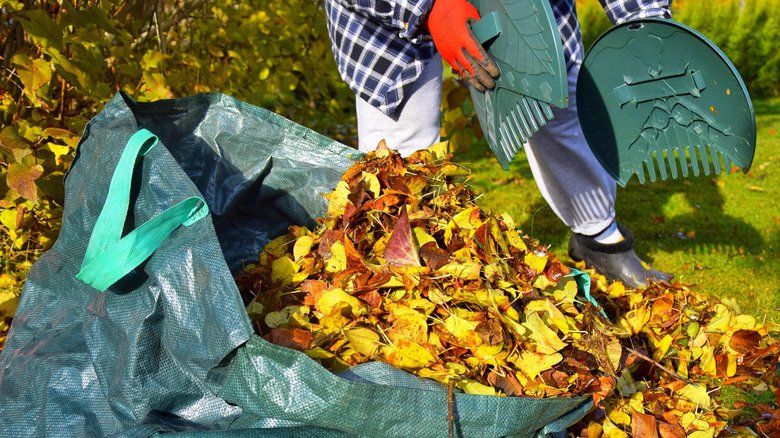
To reduce the risk of having mice and rats move from piles of fallen leaves into your house, move the piles as far away from your home as possible. You may want to let some leaves remain on the property to provide organic matter that can be useful for plants in the spring. If so, keep the leaves in a thin covering instead of making piles. Rodents are more interested in nesting in thicker piles, and they don't like leaf coverings that are routinely moved and turned over.
If you have garden or landscaping beds near the house, don't let leaves accumulate in them. Wind can pile up the fallen leaves, creating a welcoming home for rodents. When these piles are near your house's foundation, rodents have an easy path to move indoors when temperatures drop even further as winter begins. Piles near garage doors also provide an avenue for these pests to migrate indoors.
Ultimately, you may want to remove all the leaf piles by bagging the material to keep rodents from nesting in your yard. As another option, if you have a mulching mower, run it across the leaves in the yard instead of raking them into piles. The mower can break the organic matter into tiny pieces that will fall to the ground instead of sitting on the grass and damaging it. This mulch can benefit the grass in spring.