

What Happens If You Don't Water After Using Lawn Aerators?
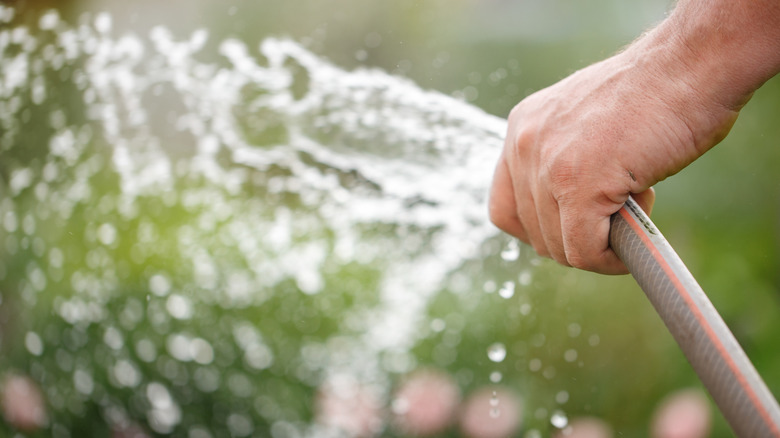
Pulling up those little aeration plugs can be an excellent way to rejuvenate tired, compacted soil. However, failing to hydrate the soil afterward can quickly expose the major downsides to lawn aeration. By creating holes within your lawn, you are allowing air, nutrients, and water to get down to the root zones. If you just park the aerator back in the shed and skip watering, those exposed roots start drying out almost immediately, putting your grass under a ton of unnecessary stress during a critical recovery window.
If you do not water your lawn after aerating, there are two main jobs that are left unfinished: root protection and core breakdown. By watering your lawn well after aerating, the soil cores will dissolve back into the soil, returning beneficial microbes and organic matter back into the earth. If you do not water them, they will dry out in the sun and become hard. This means they will sit on top of your lawn, looking unsightly for weeks. Also, by correctly watering your lawn after aerating, you are starting the lawn's natural recovery process. The water will soften the soil, protect your sensitive root zones, and tell your grass to start growing down into the new channels. If you choose not to water after aerating, you have essentially wasted all your effort, falling into one of the common mistakes everyone makes when aerating their lawn and turning a great maintenance task into a big problem for your turf.
The hidden dangers of leaving aeration holes dry
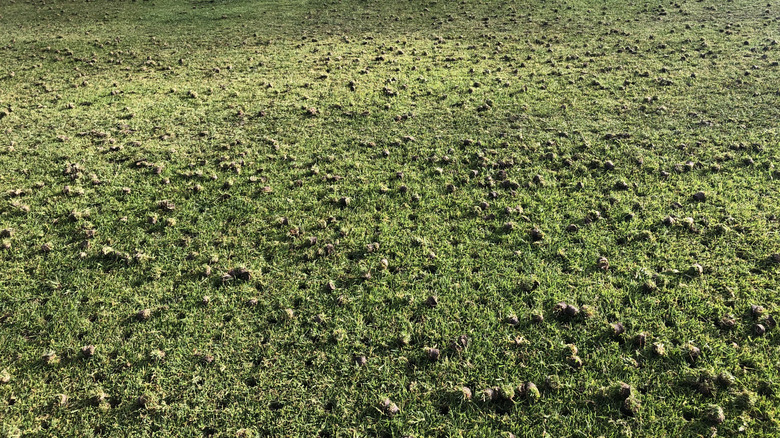
The main issue you will face by not watering after using an aerator is the rapid drying out of your soil. Aerating creates open air channels, allowing heat and wind to wick moisture directly out of the root zone. The fine hairs on the roots will be very sensitive to these rapidly drying conditions, leaving them at risk of shrinking back and shutting down if soil moisture isn't replenished. Ultimately, your grass shifts into survival mode and halts new growth, leaving your lawn looking yellow and patchy.
Without watering, the top layer of exposed soil will become baked. Due to the soil being uncovered, it will dry out quickly, creating a hard crust around the edges of the new holes. When the rain does eventually fall, the soil is far too hard to absorb the water quickly, meaning a lot of water will run off down the driveway or sidewalk. This prevents essential nutrients from reaching deep into the earth and wastes valuable rainfall.
How to properly hydrate and recover your lawn post-aeration
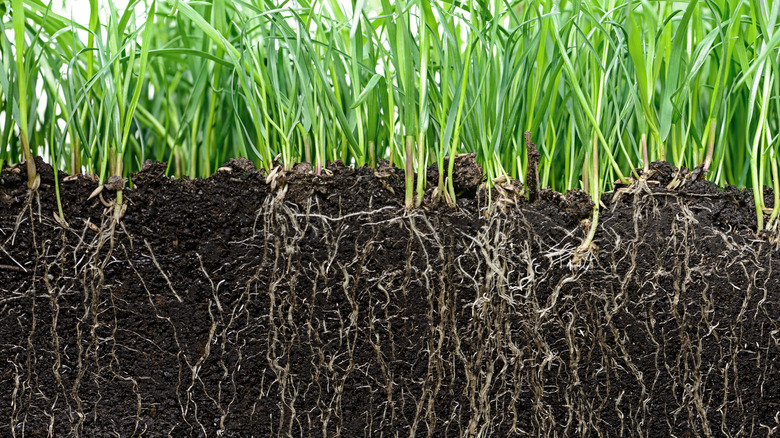
Knowing how to aerate your lawn for healthier grass also means knowing how to handle post-treatment care properly. To get your lawn back on track after you aerate it, establish a consistent, deep watering schedule. After aeration, give your lawn a good watering. For the first couple of weeks, be sure to keep the top 1 inch of your soil moist. This also applies if you plan on putting grass seed down.
You should also wait to cut the grass until it has grown to around 3 inches and the plugs on the surface have broken down. If you try to cut the grass when the ground is still hard and the plugs are still dry, you could cause damage to your blades and pull at the soft roots. By taking a little extra time to water your lawn and let it recover, you will maximize your aeration efforts and be rewarded with lush, thick grass.