

How Do The Amish Heat Their Homes During Cold Months? (It's Not Baseboard Heaters)
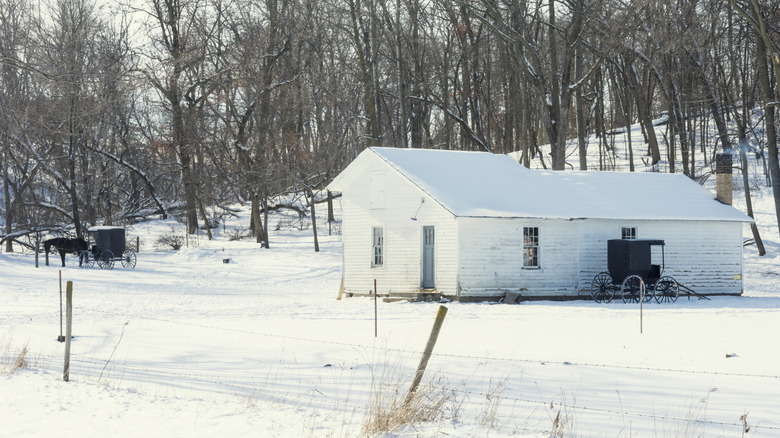
As winter temperatures drop throughout states such as Pennsylvania, Ohio, and Indiana, staying warm at home becomes a top priority. While most modern homes are equipped with automated HVAC systems or baseboard heaters, an Amish household will not have the sound of a central furnace or any digital thermostat controls. Because Old Order Amish church guidelines generally prohibit connecting homes to the public electrical grid, families must adopt a completely non-electric approach to heating their homes in winter. Instead of relying on electric heating elements, Amish families rely on fuel-burning setups, similar to the types of alternative heat sources for if you lose power during severe winter storms. Many Amish homes have solid-fuel heating appliances such as wood and coal stoves. However, liquid and gas heating options are also available, such as propane, kerosene, and private natural gas wells.
Many Amish households utilize heating appliances that serve multiple purposes, such as heavy-duty cast iron woodstoves in the kitchen, which help to keep the main areas of the house warm while also being used to cook daily meals. Besides those traditional heat sources, some Amish households use ventilation arrangements and clever methods to effectively trap, radiate, and circulate heat throughout the whole house. Even if you aren't planning on joining the Amish yourself, it never hurts to learn a tip or two about keeping your home safe and comfortable this winter.
Solid fuel powerhouses
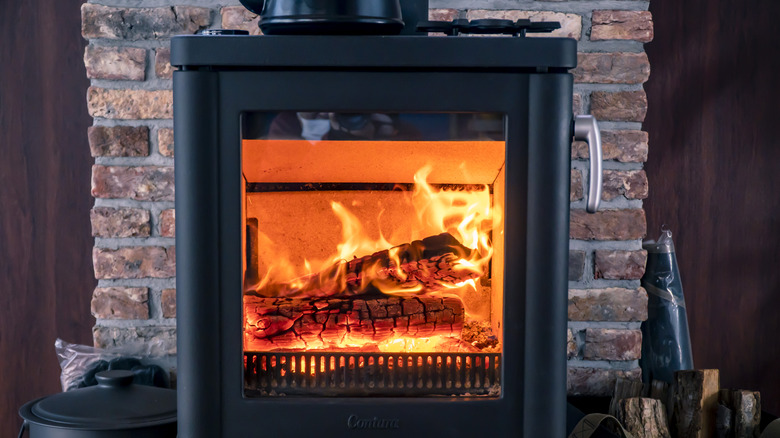
In many Amish homes, a heavy cast-iron or steel stove serves as a primary source of warmth when temperatures drop below freezing. Many will rely on heavy-duty wood-burning stoves to keep their home warm, and if they have their own woodland or busy farm, they will be able to fell, split, and stack up cords of wood ready for burning. The radiant heat from a wood-burning stove quickly warms the living room and kitchen, making autumn log prep a crucial seasonal routine.
If they live in an area where anthracite coal is readily available and cheap, like central Pennsylvania, then some Amish households could also have a coal-burning stove. Coal burns hotter, offers higher heat density than wood, and takes up less storage space. You can burn a constant bed of embers throughout the night.
In many setups, the main heating appliance will also provide cooking facilities. Some Amish kitchens will have a large dual-fuel or wood-burning stove. These will have a large cast iron cooking top, oven, and sometimes a hot water tank all built in. When families use these stoves for cooking and baking, the heat they produce can also warm the surrounding living areas. Without electric duct fans to push warm air, families rely on natural convection to help distribute the heat from the stove around the house. Much like using blankets as a block for cold drafts, they will also hang large, heavy insulated curtains over windows and room dividers to trap heat in active living areas and block chilly air from cold entryways.
Liquid and gas fuels
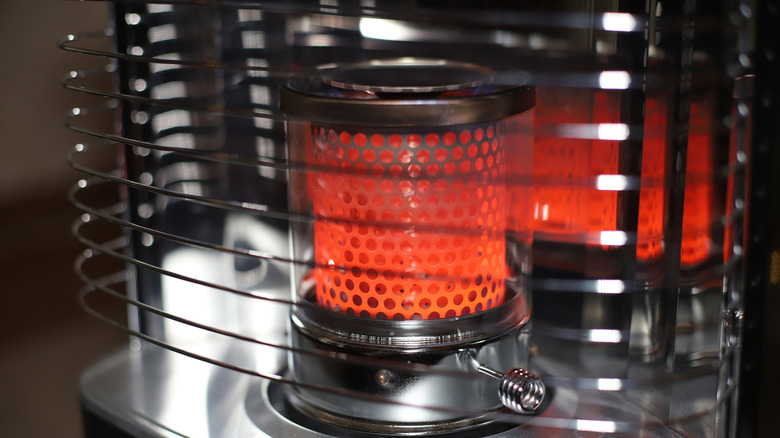
While wood and coal stoves are common primary heat sources, some Amish households also use propane, natural gas, or kerosene heaters for supplemental warmth. Propane, kerosene, and self-contained gas sources (such as private property natural gas wells) are generally acceptable within most Ordnung because they function independently without municipal grid hookups. Outdoor bulk propane tanks feed directly into floor furnaces and vent-free heaters , keeping certain areas of the home warm. These units are especially useful in draftier additions or work areas where hauling heavy logs or clearing ash pans would be impractical.
Kerosene heaters can also provide an efficient, portable solution for localized warmth. Small radiant or convection kerosene units can provide heat in particular rooms, but they must be approved for the intended indoor use and operated according to ventilation and safety requirements. For water heating and backup room warmth, gas-powered units offer precise control without electric igniters, using standing pilot lights or battery-powered ignition switches instead. By pairing high-output solid fuels with responsive gas and liquid heaters, Amish families maintain consistent indoor temperatures across freezing conditions, proving that thoughtful thermal management and quality fuel sources can keep a homestead warm without drawing a single watt from the electrical grid. It's important to note that anyone using fuel-burning heaters should follow the ventilation instructions, have the equipment properly maintained, and install working carbon monoxide alarms.