

Goodbye Traditional Pavers: The Durable, Slip-Resistant Material For Your Patio
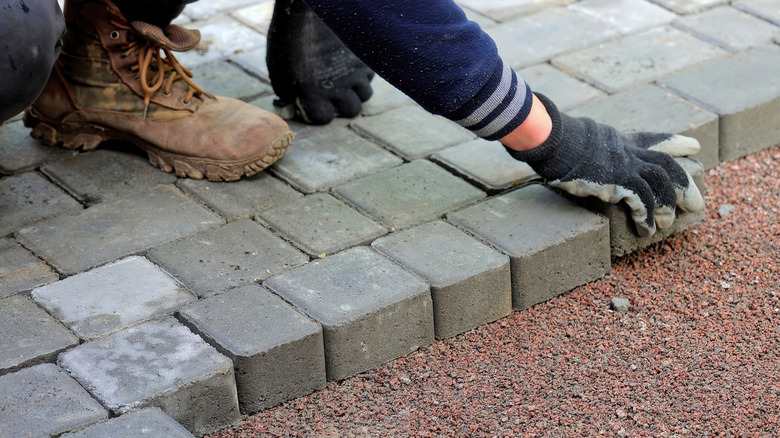
When choosing the right type of paver for a patio, most people will select among brick, concrete, or natural stone. If you decide to go with natural stone, you'll still have more choices to make thanks to how many different types are on the market. Even though many of them look similar, their differences in durability, texture, and weather resistance can help you decide which one is right for the job. One choice that may not be traditional but that works extremely well for a patio is basalt pavers.
Some people use basalt flooring for indoor spaces, but you can use it outdoors equally well. Properly selected basalt pavers can withstand heavy foot traffic and challenging weather conditions, including repeated freeze-thaw cycles. Basalt pavers also work great in wet areas, such as around pools, because they have excellent slip-resistant properties with the right textured finish applied.
Basalt is a dense volcanic rock formed when lava cools and solidifies, giving it properties that make many varieties suitable for outdoor paving. It has a dark black color that stands out against green in a landscaped area, creating a striking look outside your home. Many traditional paver options are light-colored, using gray, beige, or similar hues. You can even install basalt in a pattern that will enhance the pavers' durability and your patio's overall style, such as by using a herringbone or chevron pattern. Basalt pavers can match any plan you have for your design, as they're available in a variety of shapes, thicknesses, and coverage areas per paver.
Why textured finishes on basalt pavers help slip-resistance
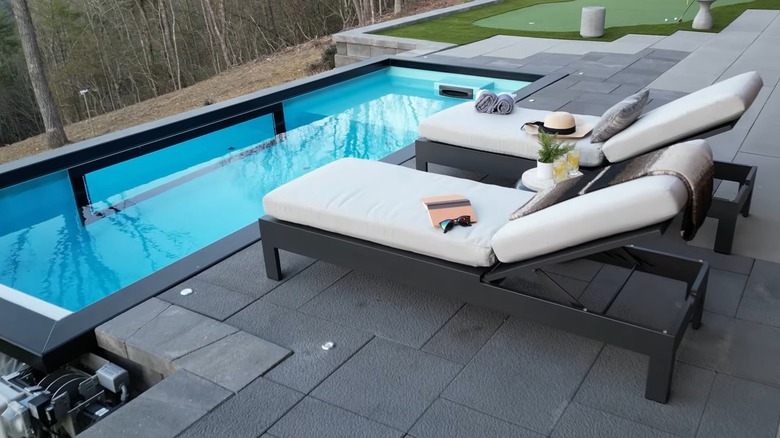
Although basalt patio pavers are available with smooth finishes, textured versions generally provide better traction, particularly when wet. One of the most slip-resistant textures is bush-hammered, as you can use it on steps and sloped walkways. Manufacturers use specialized tools to create small pits across the stone's surface, producing a rougher texture that can improve traction.
Another finish with excellent slip-resistance is called a flamed finish. To create the flamed texture, manufacturers will dampen the basalt stone's surface and then expose it to a torch flame exceeding 2,000 degrees Fahrenheit. This significant, focused heat causes purposeful damage to the surface, creating tiny fractures and, ultimately, a slip-resistant texture. Flamed and bush-hammered finishes are worth considering around pools, but you should confirm that the specific pavers have suitable slip ratings.
Another texture option, called honed, is more appropriate for indoor basalt paver installations. It doesn't perform as well in areas like patios that frequently see moisture outdoors or that accumulate ice. If you live in an area with cold and wet weather, it's best to select flamed or bush-hammered textures rated for exterior use. It's important to note that adding a textured finish on a natural basalt stone paver is not going to completely protect you from slipping when the pieces have a coating of ice. If you need to use a product to make ice-coated basalt pavers less slippery, consider sand, cat litter, or calcium magnesium acetate (CMA) products instead of salts.
How basalt compares to traditional pavers in durability
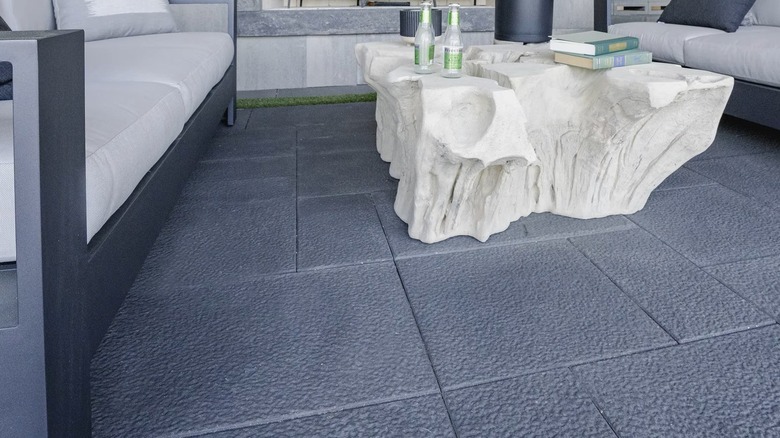
Basalt patio pavers can offer excellent durability, particularly when compared with paving materials that aren't designed for heavy wear or harsh weather. Compared to concrete, basalt pavers offer greater resistance to scratches and everyday wear, particularly in areas with heavy foot traffic. One of the biggest problems for concrete's durability is its porosity. The tiny gaps and holes in unsealed concrete pavers allow moisture to collect, which can then repeatedly freeze and thaw in winter, eventually weakening the material.
Basalt pavers, meanwhile, absorb very little water, placing them at a lower risk of suffering tiny cracks from freeze-thaw cycles. Excessive pressure on concrete pavers can also cause cracks, shortening their lifespans. Basalt is significantly dense, allowing it to maintain its structure, even when subjected to constant pressure and weight.
Brick is another traditional patio paver material that basalt can potentially replace, although its durability depends heavily on the type of brick used. If you're worried about foot traffic and weathering, you can look for bricks specifically manufactured for paving and rated for your climate rather than using ordinary bricks that may not be intended for ground-level applications. Although basalt's generally low water absorption helps it resist freeze-thaw damage, properly rated brick pavers can also withstand freezing conditions, so choosing products suited to your local weather conditions will determine their durability. No matter what type of pavers you choose, you can enhance the longevity of basalt, concrete, and brick patio pavers by applying the right sealers as part of your regular maintenance work.