

How To Deter Asian Lady Beetles Without Pesticides (The Answer Is In Your Kitchen)
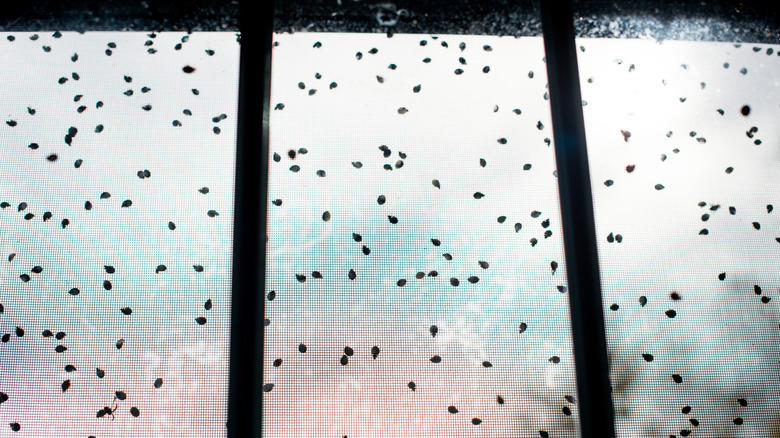
It's a tale as old as time: Scientists release a new creature to eat a native pest, only to discover they've inadvertently created another set of problems. That's the story behind Asian lady beetles, introduced to the U.S. about a century ago in order to control crop pests like aphids. Unfortunately, these "evil cousins" of the more familiar common ladybug also have a way of barging into homes in the colder months. To get rid of Asian lady beetles, hit them with a strong smell they can't stand! And when it comes to turning off these insect pests with repelling odors, mint is at the top of lady beetles' "ew, no thanks" list.
Why are people turning to mint products as one of the best ways to deal with Asian lady beetles? For one thing, minty oils like peppermint are a popular aromatherapy tool that you probably already have on hand, whether as a scent aid or as a pick-me-up. In addition, studies like this USDA report show that the vapors in menthol (a key component of various mint plants) irritate Asian lady beetles' sensory organs, which operate a bit like human tastebuds. In a series of experiments, the results of which were published in the Annals of the Entomological Society of America, Asian lady beetles spent significantly more time on untreated surfaces than on those treated with either menthol or camphor (another effective anti-lady beetle compound.)
Menthol is the key compound found in members of the mint family. These plants include spearmint, peppermint, and pennyroyal. All of these plants are not only easy to grow in the garden, but can be readily found in essential oil form. If strategically placed, this natural repellent may keep hordes of Asian lady beetles from entering your home in order to overwinter in its warmest, sunniest spots.
Fight Asian ladybugs with minty products

As you probably already know, it's the Asian lady beetle, or ladybug lookalike, that invades homes in winter. This species in particular seeks warm spaces in which to hibernate with dozens, if not hundreds, of its kinfolk. Unfortunately, they also differentiate themselves from the common lady beetle by getting into food and even biting their unwilling human hosts. They also like hanging around in sunny windows. Sealing up all potential entry points with caulking or mesh screens is the best place to start. It's also helpful to observe where you see them flying in.
Once you've determined where the pesky beetles seem to be entering, put menthol to work repelling them. A spray bottle with several drops of peppermint essential oil, for example, added to water is a great weapon to have in your anti-lady beetle arsenal. Spray this menthol-scented contraction on exterior entry points, especially doorways and window frames.
What about the lady beetles that have already gotten in? Use a minty essential oil inside the house as well. Set a series of cotton balls which have been sprinkled with peppermint, spearmint, or the menthol oil of your choice onto the corners of windowsills. This undiluted form of the essential oil can help mask the pheromone trails that pests, including lady beetles, use to call other members of the species. Replace the cotton balls regularly, or sprinkle more mint oil on the existing ones. If you want to reinforce the minty efforts, consider adding cotton balls soaked with camphor oil, which lady beetles also dislike.