

Better Looking Than Plywood: The Durable Material For Shed Siding That Holds Up Against Humidity
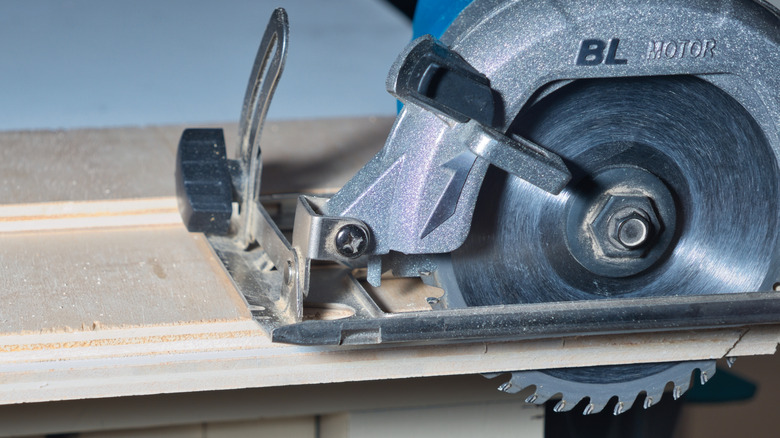
Plywood is strong, affordable, and tremendously versatile. It can be used in making furniture, it's among the best materials for closet built-ins, and if you choose the right grade, it can even be used outdoors for decking or shed siding. The only real drawback with plywood is that the boards are machine-made and thus very uniform. Visually, they don't have a lot of character. If you want something better-looking, redwood is arguably a more sustainable choice that also has a number of natural advantages.
How eco-friendly any wood product is depends on its source and how it is produced. Plywood that carries the Forest Stewardship Council (FSC) mark comes from responsibly managed woodland, but much of it does not. Equally, while the majority of homegrown redwood is sustainably harvested, there are exceptions, so it's important to check before you buy.
But what about those natural advantages? Well, apart from offering the warmth and beauty of real wood, redwood contains tannins that protect it from insect and fungal attack and make it resistant to the humidity and wet weather that lead to rot. Redwood is also very stable, so it's unlikely to split or warp. If left untreated, redwood will eventually tone down to a pleasant silvery gray. If you want to maintain its original rich color, it will need a coat of sealer every couple of years. Bear in mind, though, that outdoor-rated plywood also needs periodic treatment with a preservative.
Should you use plywood and redwood siding?
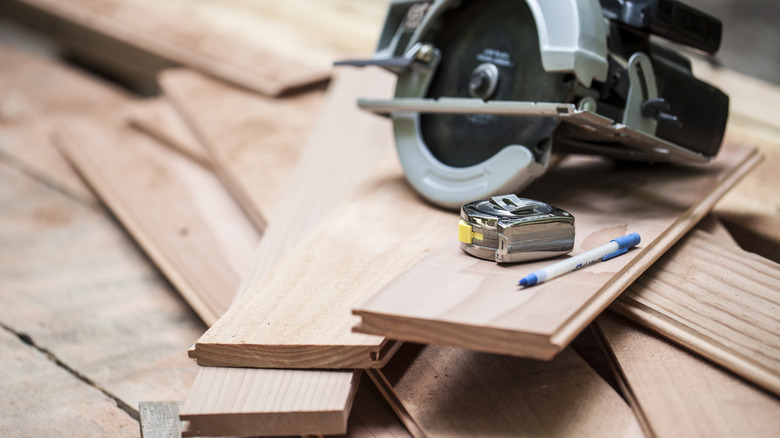
There are endless possibilities when adding a shed to your yard, and you can find redwood in a variety of different styles, including rustic log siding, bevel-edged, and tongue and groove. Redwood is usually more expensive than standard exterior plywood, although the grades of both products vary, so it's worth shopping around.
Machined boards may cost more but are guaranteed to overlap. Using boards with bark or plain sawn edges can mean there will be gaps, which could make the shed drafty. Fortunately, there are a couple of solutions. The gaps could be filled with a suitable caulk from the inside; alternatively, the shed could be constructed with weatherproof boards for sheathing and decorative redwood siding fitted on the outside. Redwood decking and fencing are also widely available if you want a coordinated look in your yard.
Whether you're building new or you have been inspired to renovate an old shed, redwood is both attractive and durable, without having to resort to paints and preservatives. Lastly, it's also a home-grown product: While plenty of plywood is manufactured in the U.S., a lot also comes from abroad, and it can be difficult to tell one from the other.