

Why You Hear A Banging Noise When Lighting The Flame On A Gas Stove
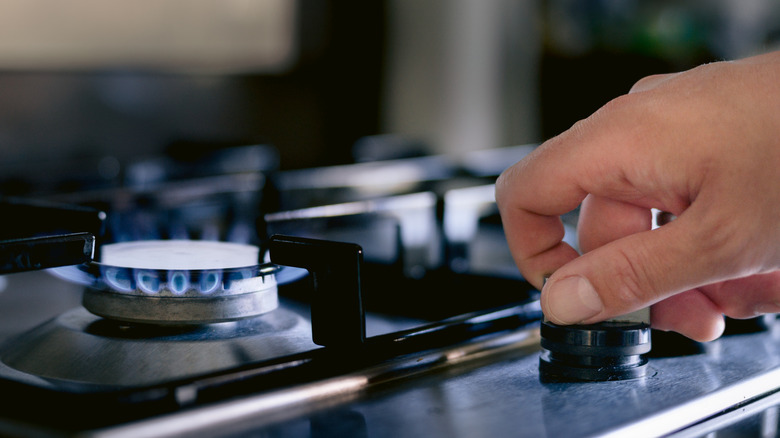
Giving your kitchen a professional upgrade with a top-rated gas range or stove is a big step to take for some homeowners. It also changes the way one must approach the stove — for example, when considering unusual sounds coming out of it. This appliance delivers a beautiful, high-end appearance for your kitchen. However, it can take some time to learn how to use the gas stove the right way and to get used to its operational differences compared to electric appliances.
For instance, your gas stove may crackle when an improper ratio of natural gas to air is moving through the system, or it might make a dangerous hissing noise that's a major red flag because a leak is likely occurring. (If you hear a hiss and smell rotten eggs, turn off the stove and natural gas supply immediately, leave the area, and call emergency personnel for help.) One other sound that can occur with gas stoves is a banging or thumping noise when you light it.
Although this banging noise sometimes occurs with new ovens, it often indicates an operational problem, according to Andrew Kuznetsov, President of ADRIUM Service Solutions, an appliance repair, HVAC, and coffee equipment company in San Ramon, California. In an exclusive interview with House Digest, he said that gas leaks or delayed ignition issues are the most common causes of hearing this banging noise, both of which require a professional inspection and a potential repair.
Why leaks and delayed ignition can lead to thumping noises
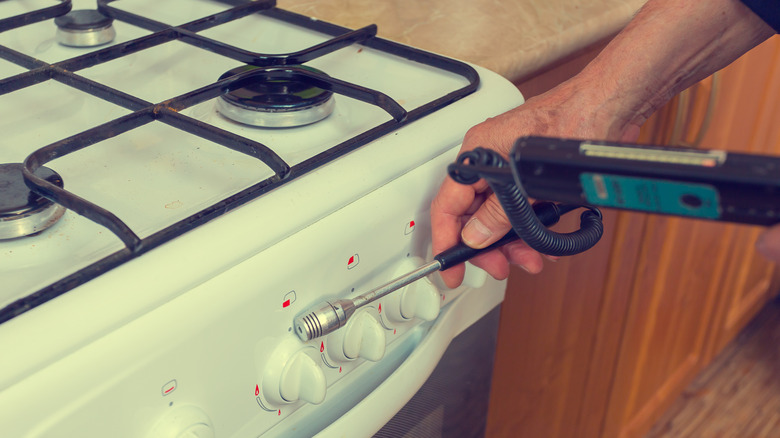
Andrew Kuznetsov said that people who are hearing a banging noise from a natural gas stove are likely seeing an issue with ignition. "A bang when a gas stove burner lights usually means that gas escapes before it catches fire and then ignites all at once," he said. Having extra fuel as part of the ignition process creates a larger combustion than normal and reduces control of the ignition, causing the bang. Either a line leak or a delayed ignition on a particular burner can cause this issue.
The natural gas leak is especially concerning because the gas could explode after a significant buildup. If your family members inhale the poisonous gas, they could suffer a dangerous health reaction. A leak may be one sign that your gas stove is going bad. It's also possible that a simple repair can fix the issue and return the appliance's operation to normal. Kuznetsov said the regulator serving the line for the stove could be malfunctioning, leading to this extremely dangerous problem. "If you can smell gas or suspect a leak, immediately go out and call the utility company on their emergency line," he said. The utility company can run tests for leaks.
The other common cause of the banging sound is called delayed ignition. When a burner operates properly, the gas should ignite within a couple of seconds. A blocked burner opening can make this process take far longer. Some of the causes of a blocked opening "might be food debris [or] moisture from soap after cleaning," Kuznetsov said.
Repairs needed to fix a banging sound for a gas stove
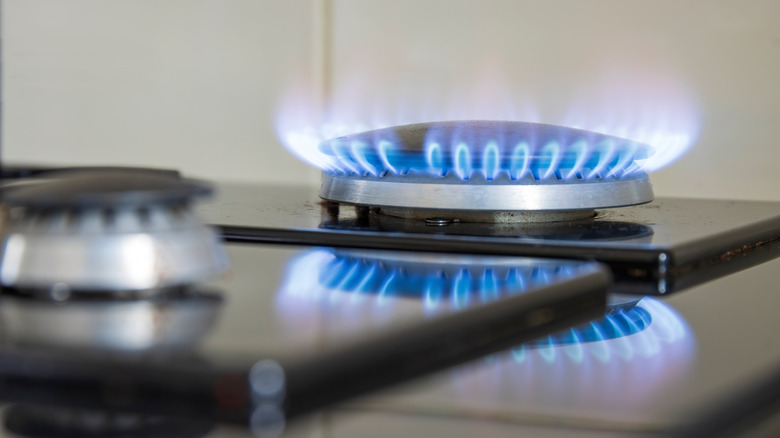
According to Andrew Kuznetsov, you should not ignore these banging noises coming from the natural gas stove because of the potential for harm to your family. "It definitely requires attention. The concern is that gas may be collecting before it ignites," he said. Once you are sure that any gas leak is contained, you can call an appliance repair person for help with the situation.
If the banging noise only occurs with one particular burner, the problem is probably delayed ignition that a repair person can fix. The technician might need to clear the openings for the burner, Kuznetsov said. Food debris and grease can build up around the openers, which restricts gas flow. If you see a yellow or orange flame on the burner (instead of the typical bright blue color), you may have a partially blocked burner. Once a repair person diagnoses this problem, you can keep it clean by occasionally wiping it with warm water and dish soap. Kuznetsov said that an improperly aligned burner cap can also cause delayed ignition and a banging noise.
Fixing other problems is "better left to professionals," Kuznetsov said. A gas leak for the stove is one of those problems. He says the danger of natural gas exposure is why hearing a banging noise means you should call professionals to immediately test for a leak before using the appliance again. Rather than doing DIY repair work, most municipalities require professionals to perform repairs on natural gas lines to remain in compliance with local building codes.