

Avoid This Common Mistake When Trying To Heat A Home During A Power Outage
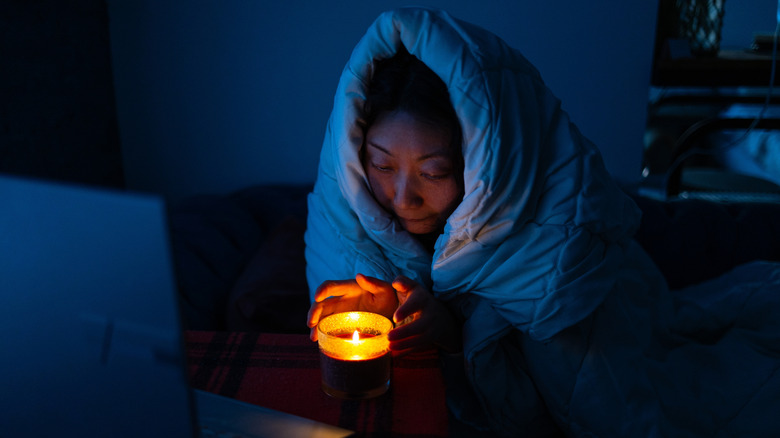
When a severe winter storm hits your region, you may lose access to power for a few hours, a couple of days, or longer. When the chill starts creeping into your house, one of the hacks you'll want to know during power outages is how to heat your home safely until the electricity comes back. You could use a fireplace that's safe to operate, for example.
The key if you lose power is finding a reliable alternative heat source that isn't risky to use. One type of heat source that is definitely not safe to use indoors is anything that burns fuel but isn't designed and vented for indoor use, because it produces carbon monoxide (CO). Things like barbecue grills, camp stoves, and improperly vented fires will create significant CO gas when not used as intended. Exposure to carbon monoxide can cause injury and death for people and pets, as the CO gas replaces oxygen in the body's blood. Because CO is odorless and colorless, you might not be aware of a dangerous buildup. Make sure have enough carbon monoxide sensors in your home, as these devices will sound an alarm when CO levels are too high.
Additionally, never use a terracotta or clay pot heater operated with candles indoors. Imperfections in the pot could cause it to fail and blow apart as it quickly heats up, throwing shards of hot ceramic. Using multiple candles on the pot to generate heat faster could also lead to a sudden flash fire. And the setup doesn't even work well: The pot doesn't add heat, it only redistributes what the candles give off, and a tea light produces just 30 to 40 watts, a fraction of the 1,000 to 1,500 watts needed to warm a small room.
Items normally used indoors that aren't safe as heat sources
When the power goes out, you might expect to be able to run a furnace that operates from natural gas or propane. However, the furnace also requires electrical power for operation. Electricity powers parts like the ignition system and certain operational components, meaning that the furnace can't run without electricity.
Even though a gas range is safe to use for short periods of time while cooking, using it for a longer time to generate heat will lead to a CO buildup, so never use your stove or oven to heat your home. Candles are another common go-to during outages, but they're a fire hazard rather than a heat source. U.S. fire departments respond to an estimated 7,400 home fires started by candles each year, and the U.S. Fire Administration recommends using flashlights instead of candles when the power goes out. If you must use them, keep candles in sturdy holders away from anything that could catch fire, and never leave them burning unattended.
Rather than using these potentially dangerous heat sources, you can follow some other tips to stay warm after a power outage in winter. Even when you're planning to stay indoors, wear layers of clothing to help retain your body heat. If one room in your house receives sunlight in winter, it will naturally be warmer during daylight hours, so gather the family in that room. If you have drafty doors and windows, try to block them with plastic window film covers, door draft stoppers, or rolled-up clothing. Close the doors to rooms you aren't using to try to keep the room you're using warmer.
Why some combustion heat sources can only be used outdoors
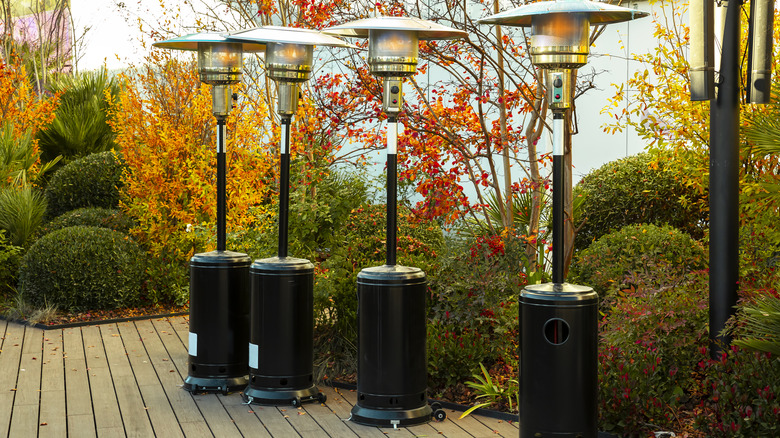
If you have a propane-fueled heater, you may wonder if you can use it to heat a room in your home while you wait for the electrical service to come back. Perhaps you own an outdoor patio propane heater, for example. Devices that generate heat and run from propane use combustion to burn the fuel and generate the heat and flame. The act of combustion generates CO. Depending on the ventilation available indoors and the size of the space where you're using the propane-fueled device, the buildup of CO gas can occur very quickly in an enclosed home or room, especially if the heater is rated for outdoor use only. Most of them aren't even safe to use in a tent or covered patio because of limited ventilation and air movement.
If you try to run a gas-powered generator indoors, you'll experience the same problem. The process of burning gasoline creates CO. Generators produce CO at such high levels that opening windows or running fans won't clear it quickly enough to keep your family safe. Generators should only be run outdoors, away from windows, doors, and vents.
You might wonder why a propane or natural gas furnace is safe to run indoors. As long as they're properly operating, furnaces are designed to contain the combustion process to keep CO gas from entering the house. The system passes the dangerous gas outdoors through vent pipes, where it safely dissipates in the air.