

Move Over, Oil-Based Paints: The Long-Lasting Solution For Exteriors
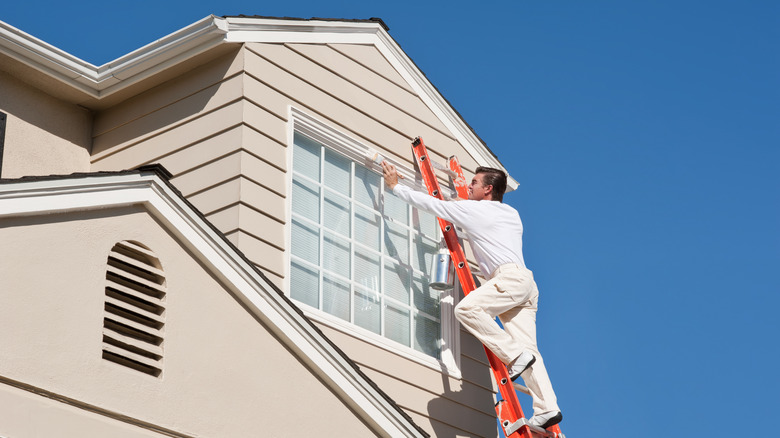
Having a painted home exterior is a great way to show off your personal style and bring curb appeal. But after several years of harsh weather, your beautiful finish can start to look flaky and chalky. Oil-based paints have previously been the go-to for exterior paint jobs, since they tend to level out smoothly and hold up decently against rain and snow. As good as these paints are against the elements, though, they have plenty of problems that can easily turn into a hassle for any homeowner.
Oil-based paints take a long time to dry, which means any blowing dirt or dust can easily stick onto your fresh coat. This type of paint also gets increasingly brittle as it cures, which means when your home's wooden siding or trim naturally expands and contracts, that rigid shell eventually cracks and peels. These problems have sent homeowners and professional painters looking for a better option.
Thankfully, homeowners no longer have to trade convenience for durability thanks to water-based urethane paints, which are quickly becoming the new go-to choice for an exterior's hardest-working surfaces, like doors, trim, and railings. These paints combine the easy soap-and-water cleanup of latex with a tough, flexible urethane resin that actually moves with your home instead of fighting against it. They are water-based, meaning they dry quickly and skip the harsh chemical fumes, but because they are fortified with urethane, they cure to a rock-hard shell that stands up to the elements. Overall, urethane paint gives you a classic, rich finish without the weekend-ruining hassle of traditional oil-based formulas.
Why urethane paint beats out oil-based finishes
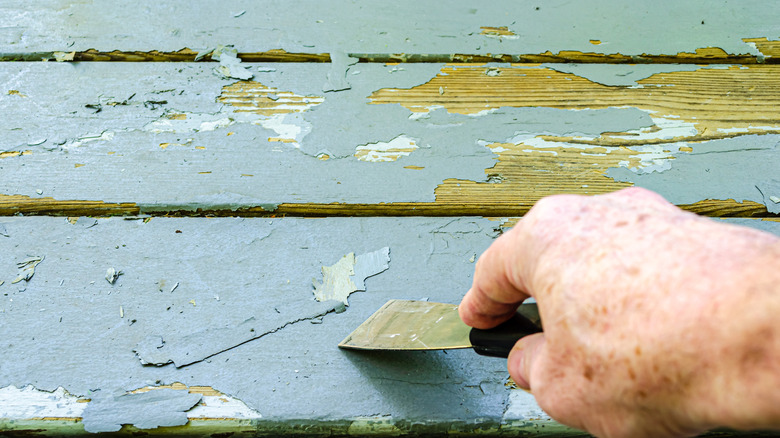
Homeowners are switching their paint preferences to urethane in part because of how it behaves once it dries. The scuff resistance that oil-based paints often lack as they grow brittle is built right into urethane formulas, which is a major benefit for dog owners who deal with scratching paws at the door. A urethane finish can take bumps from boots, deliveries, and bags without showing every little mark, and since painting the outside of your home can be a huge project, avoiding the mistakes everyone makes when choosing exterior paint means you will not be stuck redoing the job a few summers down the road.
While this paint gives you the best of oil-based paints, it also removes the biggest flaw: brittleness. Urethane resins are naturally flexible, so the paint film expands and contracts as temperatures change throughout the year. This leads to less cracking and peeling, giving you a longer lifespan. Not only that, but urethane paint has stronger UV resistance compared to oil-based paints. Traditional oil-based paints are notorious for yellowing in the shade and fading quickly under direct sunlight. Urethane paint formulas hold their color and sheen much longer, meaning the color you painted will be the color you have for much longer. And, since these paints flow and level out remarkably well off the brush, they hide brush strokes to give your DIY paint job a smooth, pro-level finish.
Where to use urethane paint outside
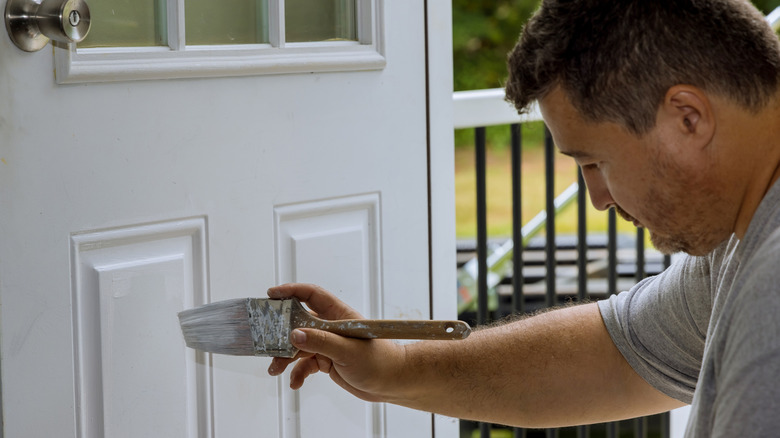
You wouldn't use urethane paint across your entire exterior, since it costs more than standard exterior paint and most formulas are made for trim and accents. It truly shines on your home's high-traffic, high-touch surfaces. Focus on places where durability and a smooth finish matter most, like front doors, trim, railings, and shutters. Look for water-based urethane trim enamels rated for exterior use. Many formulas also bond really well to properly primed metal, making them great for things like wrought-iron railings and outdoor light fixtures.
Start by reviewing the things to do to ensure your home is ready for exterior paint, including giving any glossy old paint a light scuff-sanding so the new coat has something to bite into, since smooth, slick surfaces make it tough for fresh paint to grip properly. When you are ready to paint, keep an eye on the weather – you'll need to avoid painting in direct sunlight or heavy humidity. Urethane needs moderate temperatures to level out properly before the surface skins over to give the most durable finish possible.
Following other helpful tips for painting the exterior of your home will also prevent rookie errors. For instance, it can be tempting to load up your brush to get the job done faster, but two thin coats will cure harder and look much smoother than one thick, heavy layer. Finally, make sure to respect the cure time. Even though most urethane paints feel dry to the touch within a couple of hours and allow for same-day recoats, they still take a few days to reach full, rock-solid hardness, so give that freshly painted front door a little breathing room before slamming it shut.