

Is It Cheaper To Run Your Heat Or Use Your Gas Fireplace?

While preparing to take on the chill of winter, many families debate whether to nudge the thermostat up a few degrees or light the gas fireplace to stay warm without driving up utility bills. It might seem logical that heating a single space with a visible flame should naturally use less energy, and in return, keep money in your wallet. But is one option cheaper than the other, or are you actually paying more for less warmth?
The answer to this is not always straightforward. Depending on several factors, you may save more money by using your furnace and less by using your gas fireplace. Perhaps the biggest factor in what will be cheapest is how much space in your home you want to warm. But other factors like how efficient your heating system is, how new it is, how large your home is, and the cost of utilities will all play a role in what will ultimately be best for your wallet.
If you have a multi-bedroom home and try to warm the entire house from a single living room fireplace, your wallet is going to lose every time. The fireplace isn't built to heat your whole home, meaning you'll burn through fuel while your back bedrooms remain freezing. However, if you have an old, inefficient heating system or your house is drafty, then heating your house with your central heating system will feel like you are wasting money, even if you use common HVAC heating tips for winter. To figure out which option is best for saving money, take a closer look at how much space you really need to heat at one time.
When using a gas fireplace for zone heating makes sense
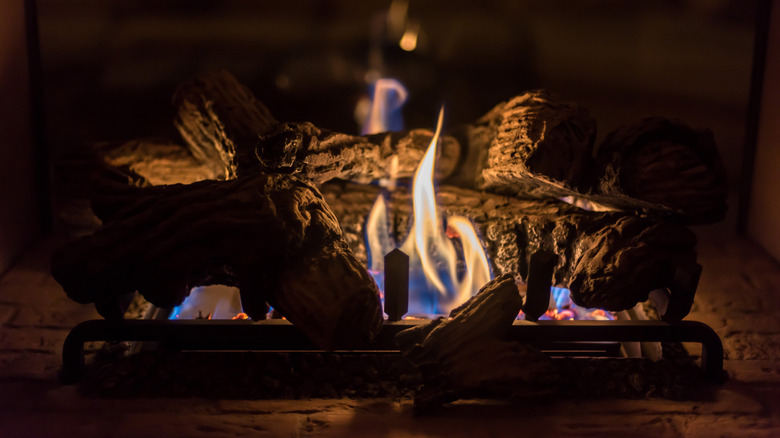
One of the best uses of gas fireplaces is zoned heating. When everyone is hanging out in the family room watching a movie or reading, there is no reason to pay to heat empty guest bedrooms or the dining room. Simply turn your furnace down a notch and let your gas fireplace take over the main living area to keep it nice and toasty.
Gas fireplaces are also a great way to help counter any sudden drop in temperature without putting extra strain on your main heating system. Simply turn on your gas fireplace to help quickly warm up your space with radiant heat without having to increase the temperature of your thermostat above the recommended 68 degrees. From this perspective, they are remarkably affordable and convenient.
It'll cost you roughly 23 to 96 cents per hour to run your gas fireplace, depending on your location and the fireplace's BTU output. If you use your fireplace for three or four hours in the evening while your central furnace idles on a lower temperature, you are only spending a couple of dollars a day to heat up the space you're in — often far less than what your central furnace burns through trying to maintain a high temperature across thousands of square feet. However, it is also wise to keep in mind the hidden downsides to gas fireplaces before relying on them exclusively for all your supplemental comfort, especially since this heat will not transfer to the rest of the house.
Why a high-efficiency HVAC setup usually wins out
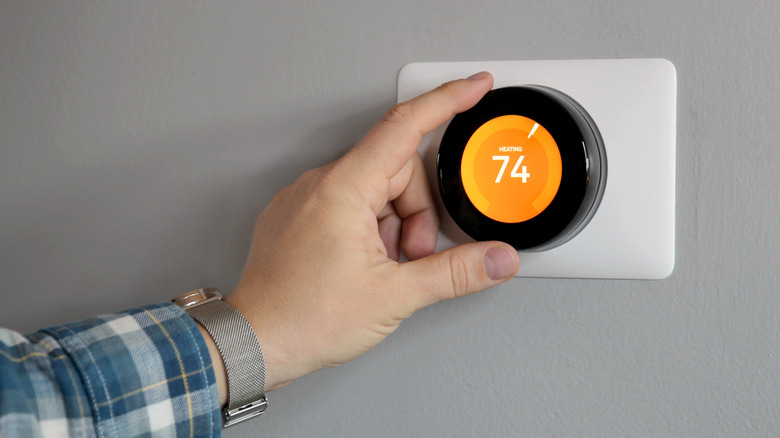
While zone heating with a fireplace is a great trick, it's completely impractical if you're trying to keep a whole house warm. It's tough to beat a modern, well-maintained and efficient HVAC system when it comes to overall cost-effectiveness in the winter. A newer high-efficiency furnace that has an Annual Fuel Utilization Efficiency (AFUE) rating of 90% or higher is made to squeeze almost every drop of warmth out of the energy it consumes. When you pair that kind of equipment with clean filters and properly sealed, well-insulated ductwork, heating your entire home actually costs far less than most people assume.
Of course, there is a catch. If you are actively considering whether it is cheaper to run your fireplace than your furnace, there is a good chance you aren't sitting in a home with a high-efficiency HVAC system. Older HVAC systems with lower efficiency ratings use significantly more energy to heat and maintain the comfort level of a house. The more the system has to work, the more money you're burning through. And if you pair an old, inefficient furnace with drafty windows or leaky air ducts, you'll notice it in your utility bill, especially if you skipped prepping your furnace for the chilly winter season.