

Popular Design Trends Nate Berkus Dislikes

Nate Berkus has no interest in being trendy. While he's undoubtedly part of the industry's in-crowd — thanks to he and his husband Jeremiah Brent's HGTV series "The Nate and Jeremiah Home Project" — the interior designer does his best to not pay attention to what is considered hip at any given moment. Rejecting trends as something "designed to sell people more stuff," the style pro explained to Homes & Gardens, "I just don't believe that they should be used to fuel what you do and how you design. I think trends are fun, and it's interesting to look at everything from a different perspective, and it's fine." But just because your best friend nailed the farmhouse feel with a reclaimed wood accent wall doesn't mean you should start piling on the planks.
Instead, Berkus builds a case for creating a space that feels every bit as unique as the people who live there. No matter if you favor mid-century modern, Art Deco, boho chic, or a little bit of everything, "Your home should really be a refuge of your collected experiences," he explained, "and it should really be a reflection of who you are." If you're yearning to build a space that's both personal, practical, and sophisticated, here are some of the trends that Berkus is a little leery of.
Accent walls are difficult to actually pull off
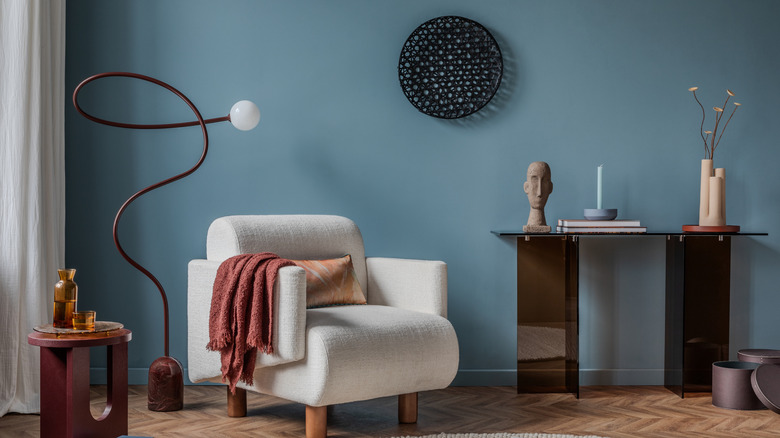
Berkus doesn't intentionally put up walls when it comes to design. But he and designer husband Brent share a mutual dislike for accent walls. While he's a fan of making bold moves, trying to go big in just one portion of your home can prove challenging. "I have very strong feelings about this," he explained in a 2024 Instagram video. "I think that accent walls show a lack of commitment, and I think it's very difficult to actually do a bold color in an open floor plan."
Part of the trade-off of scoring a home with wide open spaces is that you have to keep it consistent. "I think you keep your ceilings white," asserted Berkus, "and I think you have to pick one shade, one tone — it could be pale blue, it could be light yellow, preferably it will be more like an alabaster — for the rest of the walls around you." If ivory isn't your thing, the best neutral alternatives to white paint include soft pastels, earthy shades of brown, a more muted mustard yellow, and the timeless hue of greige.
Farmhouse style has become overly saturated and impersonal
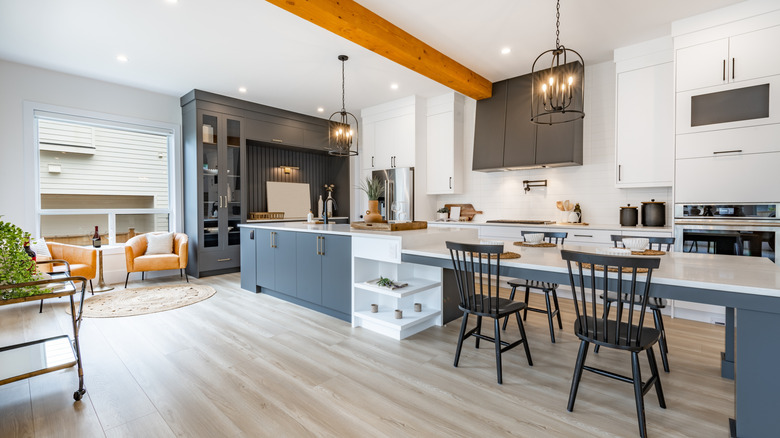
To be clear, Berkus is not anti-shiplap. Nor is he necessarily opposed to an all-white kitchen. "I like the color palette, and I also like the form of it," he explained in a conversation with Realtor, discussing the warm, rustic aesthetic that fills rural homes and urban domiciles alike. "But I think it's become a little bit impersonal when you see something that everybody wants over and over." That's not to say he doesn't respect and admire farmhouse queen Joanna Gaines. But instead of installing yet another set of open shelves, he favors the "Fixer Upper" host's practice of using "old architectural elements — like an old pair of doors or salvaged stone flooring. Those are the pieces to me that make it interesting," Berkus noted.
For those who have already gone full farmhouse in their kitchen and are looking for a change, consider an industrial upgrade. Trade those lightened wood floors for concrete or tile, bring in stainless steel appliances for a more modern look, and incorporate mixed metals through your faucets and hardware. Just be sure that your choice of heavy metals are different enough to create a contrast. While a mix of similar gold and brass may look like a mistake, Berkus detailed on Instagram, "Warm metals like gold and brass come across rich and textured alongside cool metals like silver and chrome."
Bold, trendy tile that you'll eventually get over
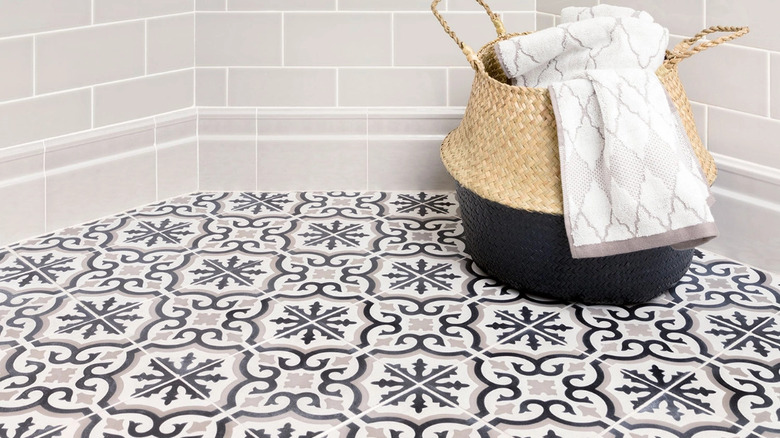
To put it in black and white, Berkus feels people can be "very easily taken with the latest look, the latest feeling." He cited "that black-and-white concrete tile that everybody had" as one example, when telling Realtor that in the late 2010s, "it was the thing to use in your powder room floor and on your kitchen backsplash, but do you really want it anymore now that you've seen it over and over and over?" He, for one, does not. Berkus describes a previous decision to install a geometric black-and-white tile from Mexico in his shower as a bit of a black eye. As he recalled to Domino, "It was the first thing I didn't like a year later."
Those seeking a more fresh and clean aesthetic in their bath should consider more neutral options. Peppercorn stone allows you to incorporate a gentle pattern; pebble mosaic tiles can transport you to your favorite relaxing spa; a herringbone pattern can make a small space feel wider. And few things feel more indulgent than a classic white marble. Of course, if you love pattern, incorporating one into your space through tile isn't totally off the table — but you do need to think carefully about the decision and try to avoid patterns that are heavily in vogue. If you see a specific tile pattern popping up everywhere, chances are it will timestamp your home in a few years.
Word art is too kitschy
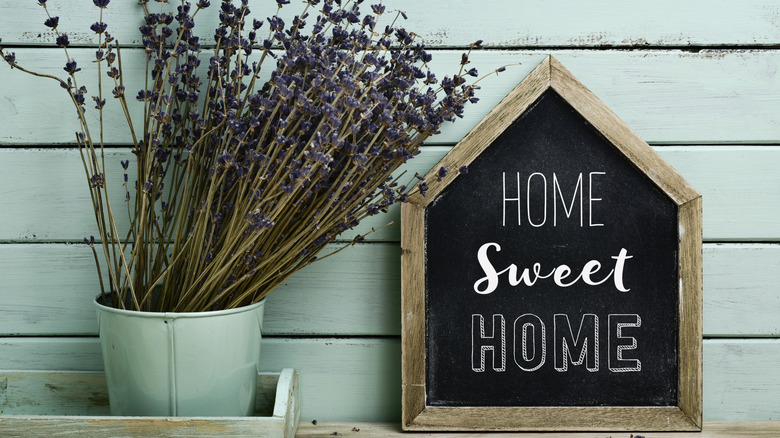
Home may very well be where the heart is, but allow Berkus to spell out how deeply unimpressed he is with kitschy sayings on pillows, posters, signs, etc. "I'm tired of things with phrases on them," he explained to Realtor. "I really can't handle it anymore. 'Live, laugh, love' — all that business. Instead of buying it, just do it."
Rather than reminding your dinner party guests to "bon appétit" or that "happiness is homemade" via mass-produced signs, consider taking a more unique, intentional approach. If the sentimental, inspirational aspect of word art is something you love, consider adding your own spin by framing a quote or poem that is deeply meaningful to you specifically. If you love the rustic look of farmhouse-style plaques, consider scouring thrift shops and junk yards for genuinely old signs, rather than imitation ones. And finally, if you're ready to let go of the word art trend altogether — there are so many affordable ways to dress up your walls and shelves, such as snagging old oil paintings and framed sketches secondhand or buying budget-friendly framed prints. And for pillows and other textiles, try adding interest through textured or patterned options, rather than printed sayings.
He finds anything orange to be unattractive
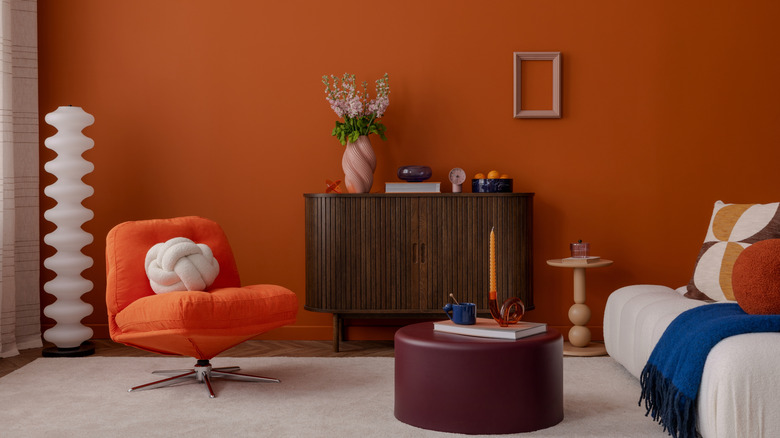
Apologies to Taylor Swift and her showgirl era, but Berkus is never gonna want to fill his home with the bold tangerine hue. While orange is gaining traction as red's slightly softer, yet still eye-catching and energizing, younger cousin, "I have a visceral reaction to it," Berkus shared with House Beautiful regarding the paint color. "I can't even look at it. I hate it so much that even when it's present in an abstract painting, I stop... I think it's hideous."
While it undoubtedly adds boldness, designers swear you'll regret using the earthy paint color in your space. Instead, if you do personally like orange (not everyone has to feel the same way as Berkus), try a more toned down version of the shade on your walls, like a peachy blush or a reddish-brown terracotta. And if you're determined to add a squeeze of brilliant orange to your space, start small with throw pillows, vases, planters, or other accent pieces.
Reproduction furniture is simply not the same as the real thing
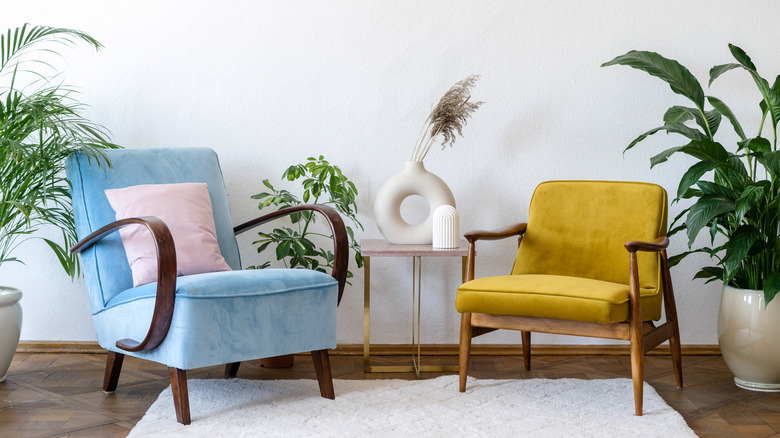
While Berkus loves a vintage piece, he's not a fan of furnishings designed to look like the real deal. That mid-century modern-style chair might be inviting, however, he shared during a talk with the New York School of Interior Design, "It's a really hard time with reproduction furniture. I'd much rather have something old or vintage." Yes, his day job involves creating new furnishings, he noted, "But it's not meant to look like something that's, you know, 18th century or 19th century."
If a throwback is what you're after, source the real deal. To create a richly layered home, Berkus swears by adding at least one antique item to each room. "It's deeply important to mix in vintage things," he explained to Homes & Gardens. "You can't have everything new and have a home that feels layered with all new things off the shelf." And the best places to shop for vintage furniture include online retailers like Etsy, Kaiyo, Everything but the House, Hunt Vintage, Chairish, and 1stDibs, or brick-and-mortar stores, including Rejuvenation and One Kings Lane.
Furniture sets are too cookie-cutter and not always actually functional for your space
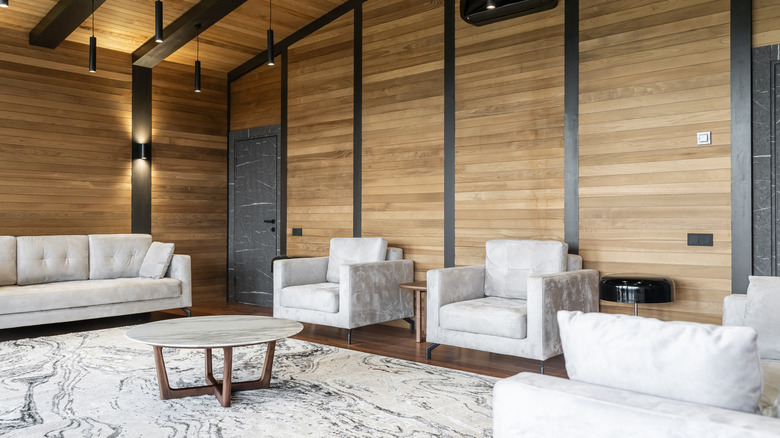
Berkus is also not a fan of scooping up an entire display at a big box store. "It's really tempting to create an instant interior and say, 'This set of bedroom furniture is a great deal, and I can finance it. It's easy, I'm done, and I can move onto other areas of my life,'" he told Oprah.com. But he recommends buyers "take a beat and drown out the noise from all those makeover shows."
While it can feel overwhelming to furnish your home, Brent has a tip that'll help you choose the right furniture for your space. "When it comes to picking furniture and having things in your home," he advised one couple in an HGTV YouTube clip, "I really believe that if it's not absolutely functional or absolutely beautiful, you don't need it." Which means when you're stressing over selecting, say, a coffee table, consider how it will function for your family. Is it roomy enough for game night and durable enough to withstand art projects? Unless that's a resounding yes — or it's so stunning that you can't stop thinking about it — keep shopping.
Acrylic furniture looks cheap and scratches easily
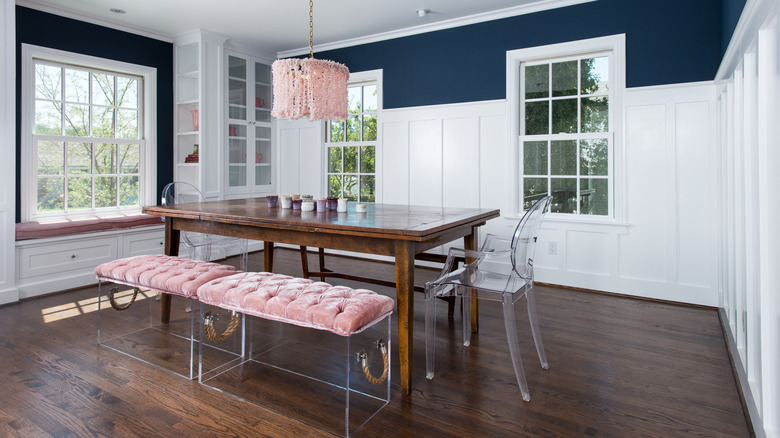
Berkus sees through this popular design choice meant to lend a modern feeling to a space. Given his love of more classic, timeless choices, it's no surprise that the designer doesn't love acrylic furniture pieces. But he also raised two interesting points around the practicality of acrylic for furniture. "It scratches easily and isn't very versatile given that it's see-through," Berkus noted to Domino.
While its clear look is touted as an option that can visually declutter crowded rooms, you can achieve that same look with lucite or polycarbonate furniture, which tend to be more durable. Sleek metal pieces can also deliver a similar vibe. And they're more resistant to scratches and smudges, which translates to far less upkeep. And if you want a touch of transparency, without the ultra-modern look, vintage finds such as MCM folding chairs in colorful lucite can add a fun pop.
Outdoor rugs are a hot spot for mold
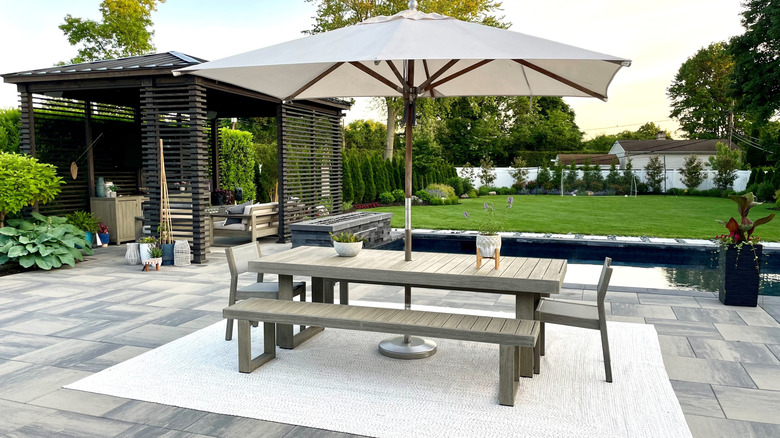
Weather-resistant rugs have become a popular staple of outdoor living spaces over the last few years, but depending on how damp they get, mold can be a real possibility. Berkus isn't necessarily opposed to the look of a patio rug, but while hosting a game of love it or hate it with Chairish cofounder Anna Brockway, he acknowledged that they can easily attract mold. "I'm going home to throw mine away by the way," he admitted, "my daughter's walking around on a petri dish!"
But if you're a fan of grounding your patio with a rug, be sure to avoid the outdoor rug mistake that could cost you your entire deck. If you don't choose an outdoor specific rug, it won't be able to withstand the elements. And all that moisture can easily get trapped in the fibers, causing bacteria to grow and the wood underneath to rot. That's why it's so crucial to choose a waterproof option — ideally one made of recycled plastic fibers. And even though they're designed to get wet, you'll still want to periodically hang it out to dry. And finally, consider adding a rug pad.
Layering rugs on carpet is a hard no
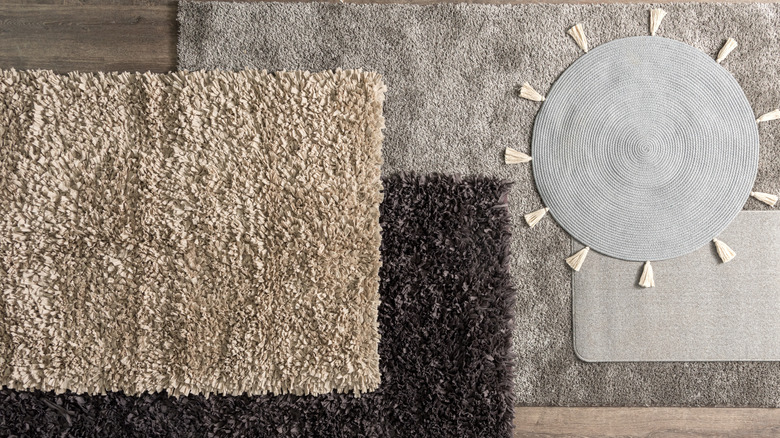
Another trend that doesn't exactly floor Berkus is adding an area rug atop wall-to-wall carpeting. Asked about the move during a question-and-answer he posted to his Instagram in 2022, the design pro gave a definitive, "No." However, he and Brent do lay out a case for layering rugs of various sizes, with Brent sharing in a 2020 Instagram video, "We got these great rugs that we layered from Etsy. They are really affordable and inexpensive."
Their casual design strategy appears as if they've just thrown one haphazardly over another — the interior design equivalent of just waking up with an effortlessly tousled bedhead. But there are a few key design tips you can use for layering your area rugs. You'll want to work with pieces of various sizes, perhaps a 9-foot by 12-foot option underneath a 6-foot by 9-foot one. Beyond that, you can mix and match with different colors, patterns, and textures. Jute options, in particular, complement rugs of all materials.
Brightly colored cabinets don't stand the test of time
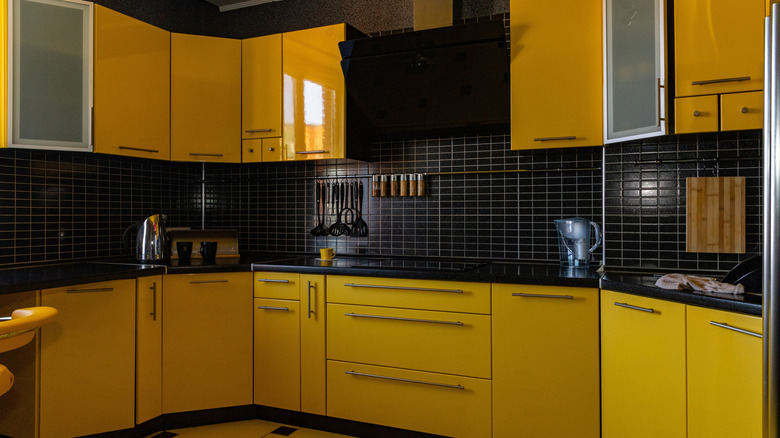
Dopamine dressing — it's not just for your wardrobe. And colored cabinetry in a variety of fun hues seems like an easy way to inject that hit of joy into your kitchen. Red and yellow cupboards are certainly having a moment, with Emily Arthur, chief creative officer of the cabinet company Isla Porter, telling House Beautiful, they're among their most requested shades. But Berkus cautions against indulging that instant gratification. "Can you stop the train and imagine yourself with an apple-green cabinet?" he pointed out in a chat with MyDomaine on the topic of people chasing of-the-moment trends. "Is that really going to stand the test of time? It's a question that I always ask myself and always ask on behalf of the homeowners that I'm working for."
If you're looking to land on something a little less intense, consider the kitchen cabinet color trend completely taking over 2025: soft, buttery yellow. This mellow shade adds that dose of cheer you might be seeking, but is less intense than full-on yellow and pairs well with neutrals. And remember, if you have a current obsession with a bold hue, you don't have to incorporate it in long-term materials in your space. Rather, opt for pops of the color via things that are easy (and cheap) to swap out when you get tired of the shade, such as oven mitts, tea towels, mugs, canisters, etc.
Leave the goth in whimsigoth behind
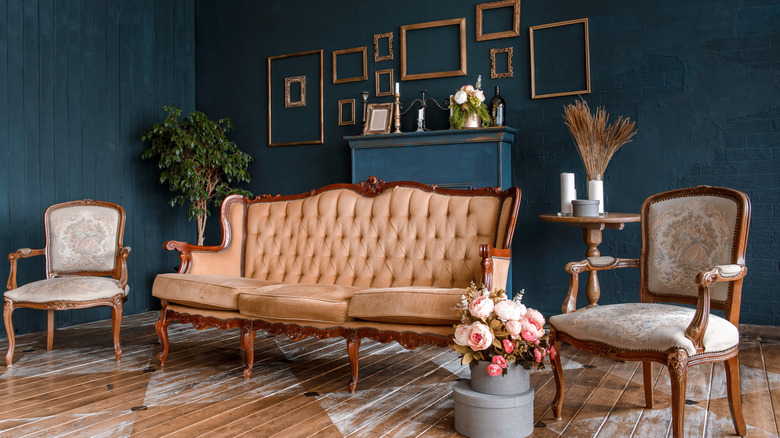
If you're a fan of spooky season, boho chic fashions, and shows like "Charmed," "The Craft," and "Buffy the Vampire Slayer," you may have been tempted to take a stab at the whimsigothic home decor trend. As the portmanteau suggests, it draws inspiration from the heavy, opulent vibe of more gothic styles, with a light dash of whimsy and fantasy. But Berkus isn't entirely feeling the magic. "I gotta tell you guys, this is not for me," he admitted in an Instagram video. "I like the whimsy, but I have a hard time with Gothic."
For those who are crushing so hard on cottagecore that they're ready to go full-on quaint fairytale cottage in the English countryside, there are lots of ways to add trendy, whimsical accents to your home. Whether you opt for a fun color palette, one-of-a-kind vintage finds, quirky light fixtures, or floral prints, you can turn your home into a place of pride and joy — without leaning too heavily into the more dramatic territory of whimsigoth. However, if you are drawn to the moodier, spookier side of things, then the key to nailing this look is to invest in vintage finds that channel this feel. Think things like Arts and Crafts glass lamps (or other stained glass pieces), dark wood furniture, etc.