

10 Green Materials That Give Your Compost Pile A Serious Nitrogen Boost
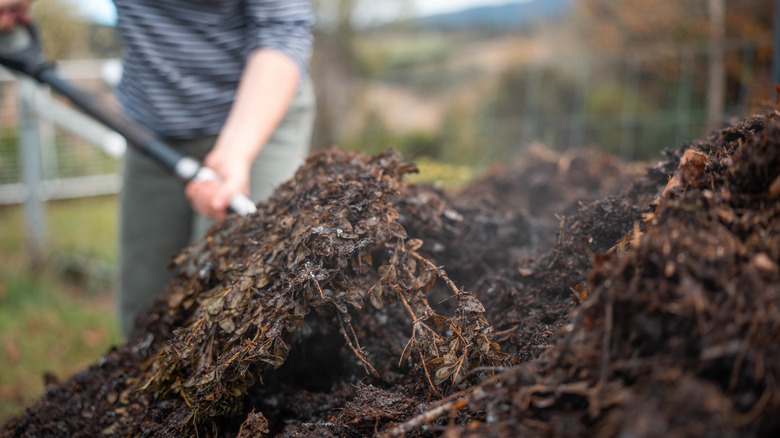
Composting is a crucial part of gardening, allowing you to reuse materials that would otherwise be thrown away. It is used to amend the soil in your garden and add plant nutrients, helping crops, flowers, and shrubs to thrive happily. But to make the most out of your compost, you need to understand what materials you can put in and what they do. Furthermore, knowing which compost ingredients you likely have at home will help you reuse and recycle.
Most composting materials fall into two categories, which are brown materials and green materials. The brown materials, such as wood chips and plant twigs, are rich in carbon, while the green materials, such as grass clippings and vegetable scraps, are rich in nitrogen. When composting, a good rough ratio is two or three parts brown and one part green.
Nitrogen is necessary in compost because it allows everything to decompose quickly and thoroughly. It's also an essential nutrient in plant growth and a component of chlorophyll, so nitrogen-rich compost will boost the health and vitality of your garden. So, what green materials should you be adding to your compost to help your garden flourish?
Grass clippings
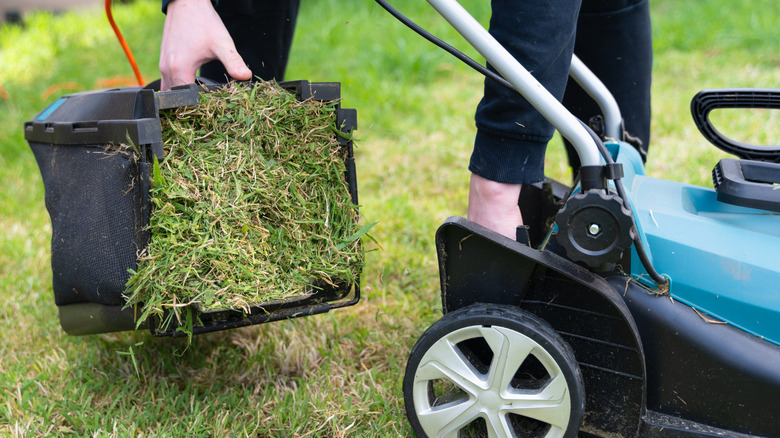
High in nitrogen and readily available, grass clippings from lawns are a fantastic, low-effort addition to your compost bin. The next time you mow your lawn, empty the grass into your compost. When you do so, mix it with brown materials, such as straw or leaves, as grass clippings by themselves can become slimy and start to smell. However, if you have treated your lawn recently, you may need to do some research into the product you used before adding the clippings to your compost to ensure your grass is safe.
Fruit and vegetable scraps
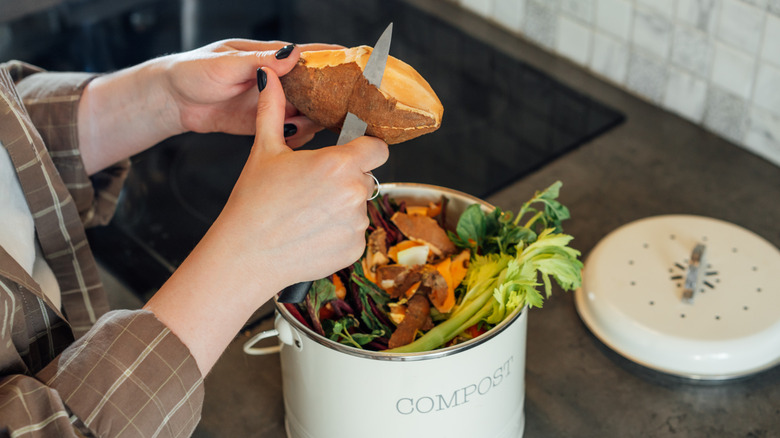
Having a mini compost bin in your kitchen to collect materials before they go into the main bin is a great way to keep your household waste low. It also makes you feel much less guilty about forgetting to eat that lettuce at the back of the fridge! Most vegetable and fruit scraps can go into the compost, including banana and orange peels, apple cores, and wilted greens. When adding your food scraps to your compost, it is helpful to chop them up beforehand. This will help the scraps decompose and compost faster.
Coffee grounds
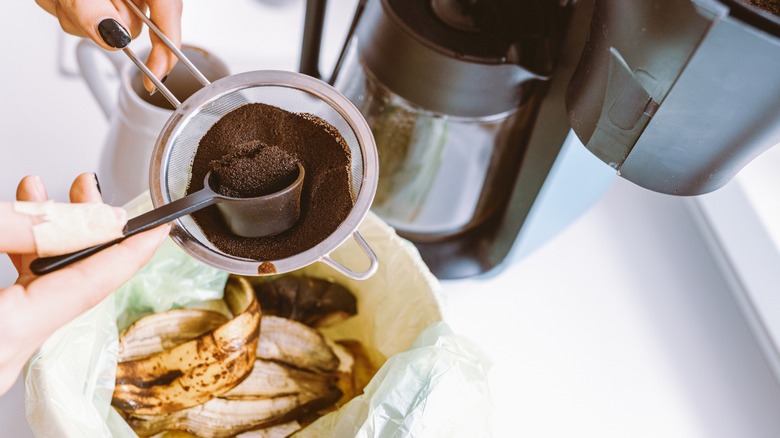
There are so many great ways to use leftover coffee grounds in your yard and garden, and putting them in your compost can really benefit your plants since they contain nitrogen. When putting coffee grounds in your compost, mix one part coffee grounds with one part grass clippings and three parts leaves. This will ensure that all nutrients that are needed are in the compost. As too many coffee grounds can be detrimental to your plants, always keep the proportion of coffee grounds in your compost mix at no more than 20%.
Sappy green plants
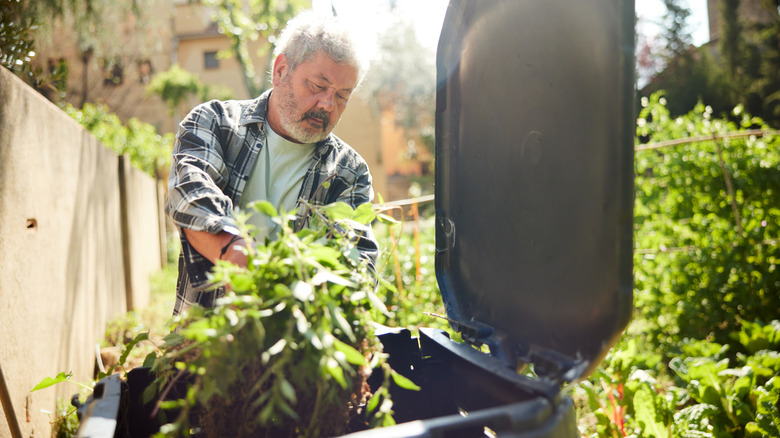
Clippings of soft, sappy green plants and leaves can be put in the compost to boost its nitrogen. This does include annual weeds, although it is essential to compost these properly to ensure that all seeds are killed. You don't want more weeds cropping up once you've applied the compost to your garden! The process of composting usually kills weed seeds, as the pile will often reach 140 degrees Fahrenheit. However, for this to happen, the carbon-to-nitrogen ratio, moisture, pH, and oxygen need to be correct.
Manure
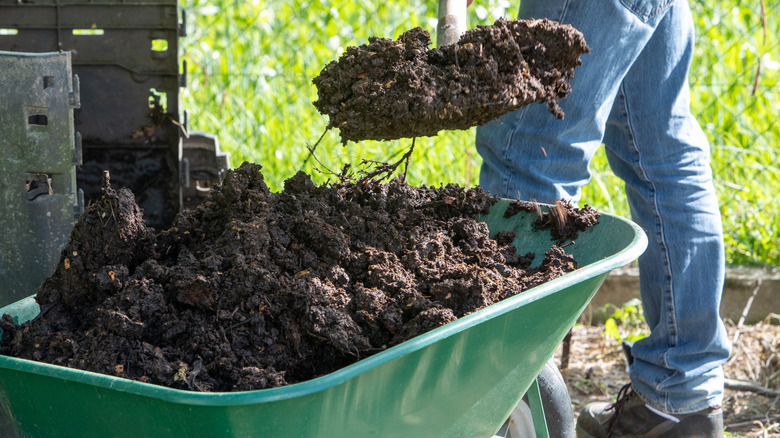
Manure from cows, poultry, and horses all boost nitrogen in compost. So if you have chickens, you can put their waste to good use! However, dog, cat, and swine manure should never be used. If you decide to use manure in your garden and you grow edible crops, you need to ensure that the composting manure reaches a sustained temperature of between 113 and 140 degrees Fahrenheit for at least a few weeks. This will kill pathogens, making the compost safer to use. You should also turn it regularly so all parts of the compost are exposed to heat.
Tea bags and leaves
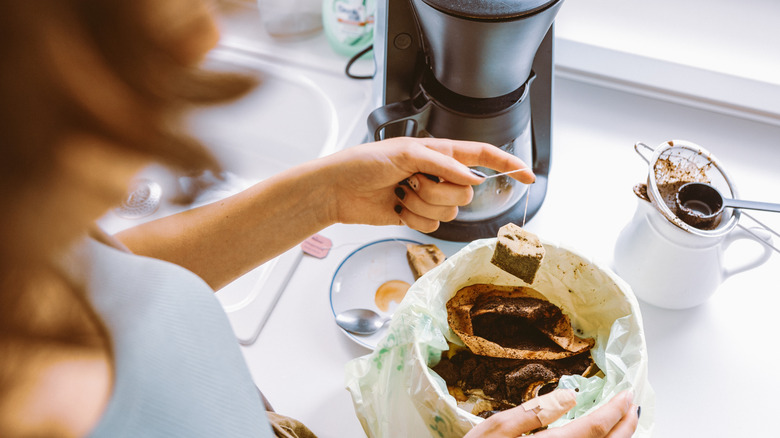
If you constantly have a cup of tea on the go, you can reuse your old tea bags and leaves by making your own DIY compost with them. However, before you do so, you need to make sure the tea bags are made from compostable materials and not plastic. Paper tea bags that do not have any staples are usually fine to add to the compost. If you are unsure, you can rip open your tea bags first and dispose of the leaves directly onto your compost heap.
Eggshells
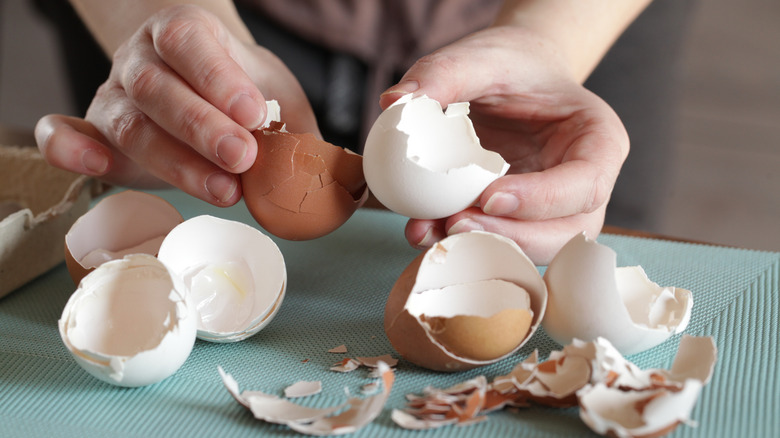
Although eggshells have a lower amount of nitrogen than other items on this list, they do have a small amount and will bring a boost to your garden. Furthermore, they are a source of calcium, which is essential for plant growth. When adding eggshells to your garden, you should first dry them out and crush them. Grinding your eggshells will mean they decompose better, which will release their nutrients into the compost. This will also mean that you don't have big eggshells sticking out of your soil when you apply the compost!
Alfalfa hay
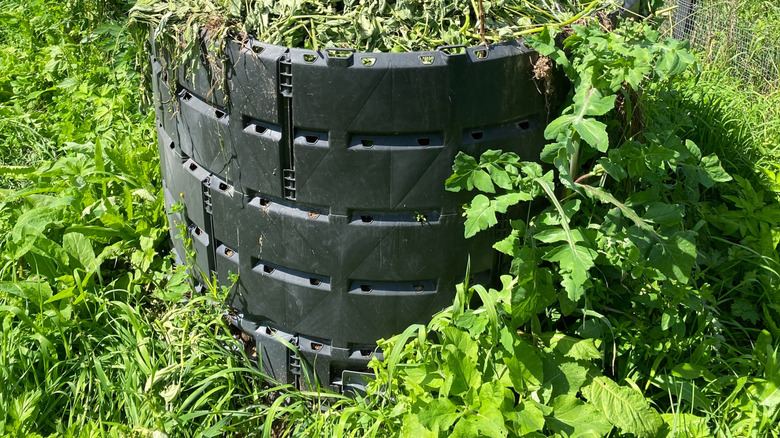
Alfalfa hay is a fantastic source of nitrogen that you can add to your compost to keep your garden healthy and thriving. Because it is high in nitrogen, it helps all the organic matter to break down and raises the temperature of the pile. You can purchase alfalfa hay in bales, blocks, and cubes from various livestock and animal outlets. When adding alfalfa hay to your compost, ensure that you break or cut it up and layer it with brown materials, such as straw and wood shavings. Turn your compost regularly.
Blood meal
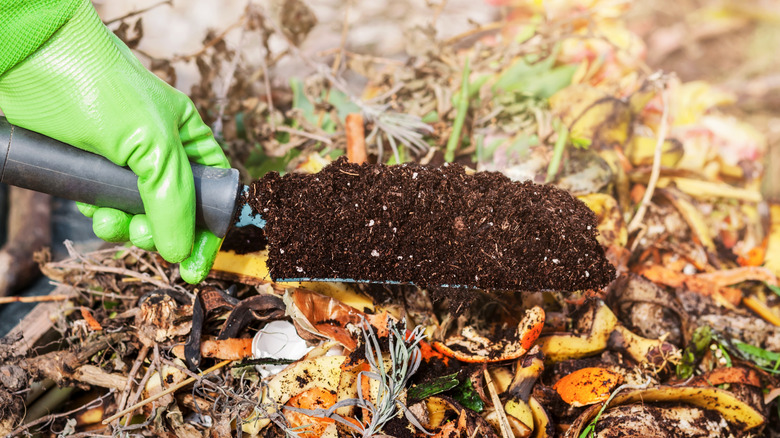
Blood meal is another great nitrogen source for your compost that you can buy if fresh greens are not available. Blood meal is a by-product of animal processing and can be bought from farming and gardening stores. Adding blood meal to your compost will speed up decomposition and bring in essential nutrients. However, ensure you're not putting too much blood meal into your compost, as it can lead to plant burn in large amounts. Blood meal is around 13% nitrogen, so a little goes a long way with this compost addition!
Seaweed
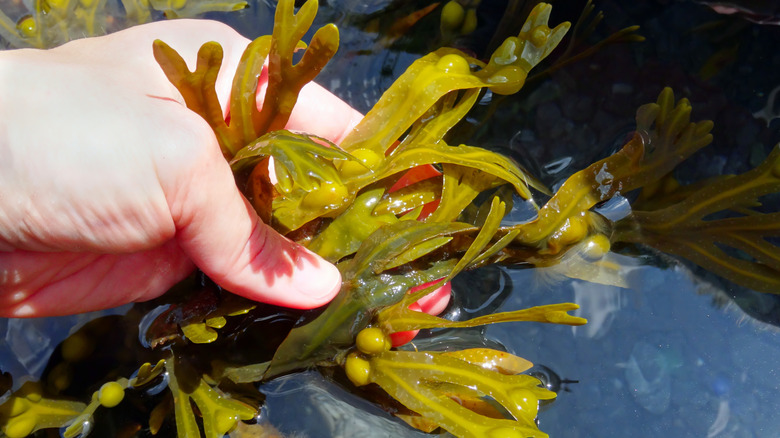
If you live on the coast, you may want to consider adding seaweed to your compost as a source of nitrogen. As well as nitrogen, seaweed contains potassium, phosphorus, and trace elements, which are all beneficial to plants in your garden. However, before you go out to your nearest beach and start harvesting seaweed, you need to check the laws in your state and county. Seaweed is important to the ecosystem of marine life, and most states have rules regarding how much, where, and how you can harvest.