

8 Signs That Your Washing Machine Needs To Be Rebalanced
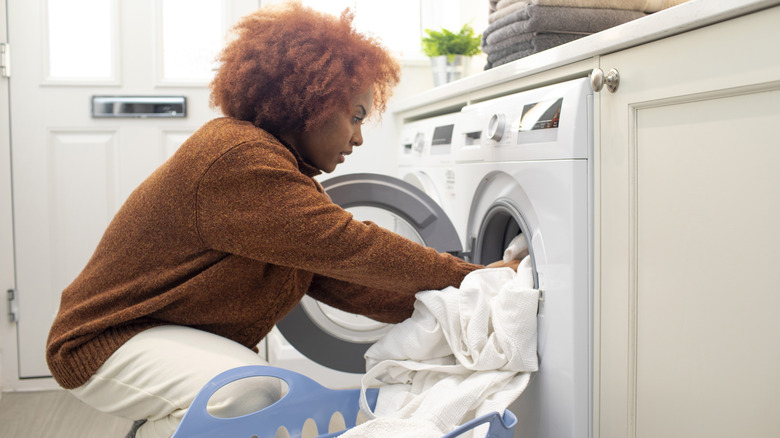
You'll soon know if you have an unbalanced washing machine, thanks to some obvious signs such as loud banging or vibrations. A washing machine needs to be balanced to allow the drum to spin, with this spinning motion being vital for removing as much water from your clothes as possible. And if your machine is off balance, it's easy for problems to start showing up.
There are a variety of reasons why your machine might be unbalanced, with all of us being guilty of some habits that could be destroying our washing machines. Both top and front-loading washing machines can become unbalanced, but front-loaders have a slightly higher tendency to vibrate (even though they are more ecologically sound), so they will require a little more attention in this department. But whichever type of washing machine you have, you need to know the signs to look out for so that you can correct balance issues before they become a serious problem.
Shaking and vibrating
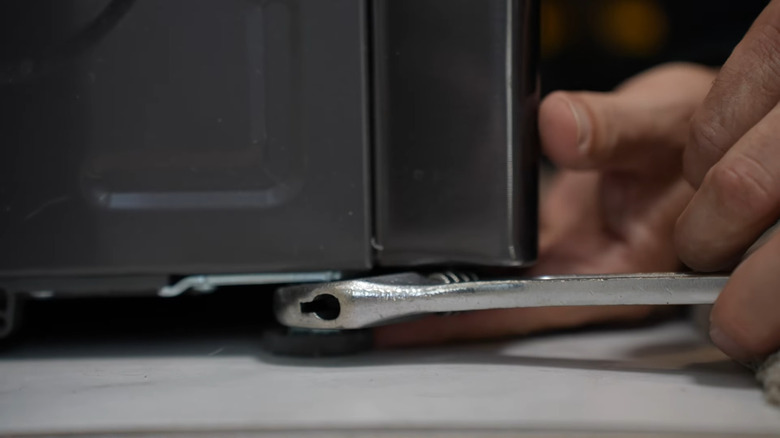
If you're wondering why your washing machine is shaking like crazy, this could be one of the first signs it's becoming unbalanced. You may need to level your machine's leveling feet or add anti-vibration pads to help reduce vibrations. However, sometimes merely reducing the amount of clothing you've put in the machine may be enough to stop the shaking, as you could simply be overloading your machine beyond its capabilities.
Loud thumping noises
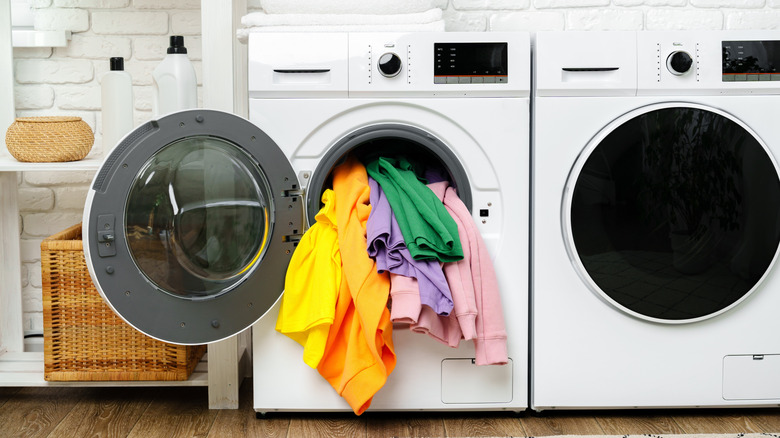
The next clear sign that your washing machine is unbalanced is hearing loud thumping or banging noises during a wash cycle. Don't worry, you haven't inadvertently trapped someone inside, and, in fact, the most likely issue is that you've overfilled your machine. Make sure to distribute heavier items between different washes, but if lightening your load doesn't help, you'll need to again level the feet at the bottom of the machine, as your washing machine may be on a slightly uneven surface.
Shifting during a cycle
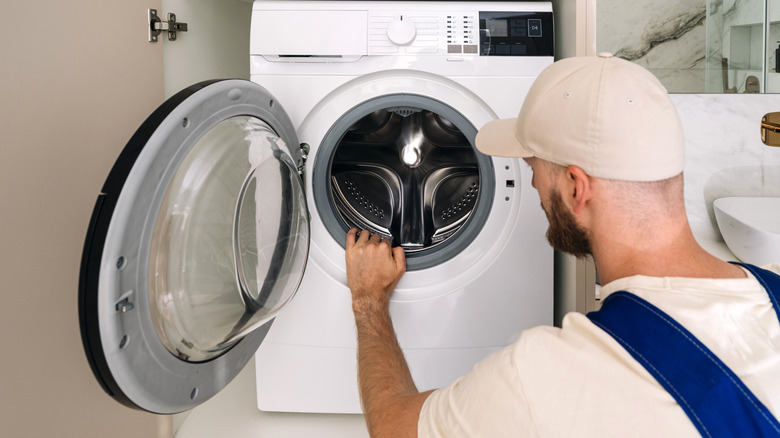
While it's not quite as dramatic as a vibrating machine, a washing machine that's shifting from side to side during its cycle isn't a happy bunny. Again, though, the most likely scenario is that your machine has been overloaded. The dangers of overloading your washing machine are multiple, but in this case, heavy items on one side may cause the machine to shift. But if this doesn't solve things, look at leveling your feet or adding anti-vibration pads.
Moving during a cycle
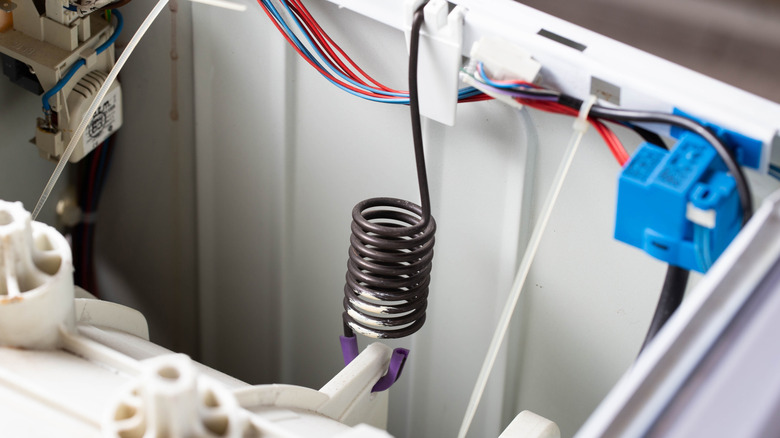
Has your washing machine physically moved during its spin cycle? Don't worry, it's not possessed, but the chances are that one of the internal mechanisms has failed or become worn out. Common problems include a broken suspension spring and a loose washing drum, thanks to a dampening strap breaking or worn-out shock absorbers. Unless you're confident in accessing your washing machine's interior, we'd recommend calling in a professional to repair it.
Error codes
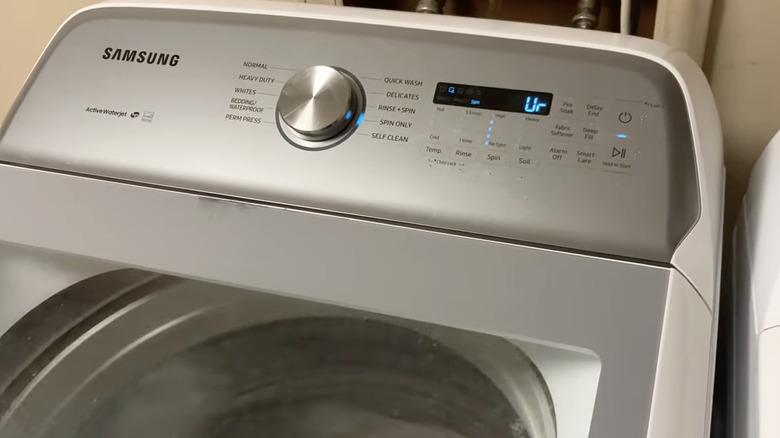
If you've got a washing machine with a digital display, it may well alert you to an unbalanced load with an error code. These usually start with a U, and you'll find codes such as UR, UE, UB, or UL, which will alter depending on what machine you own. Follow the usual steps of removing some laundry to make the load lighter and, if this doesn't work, check the feet to ensure that the machine is level.
Grinding noises
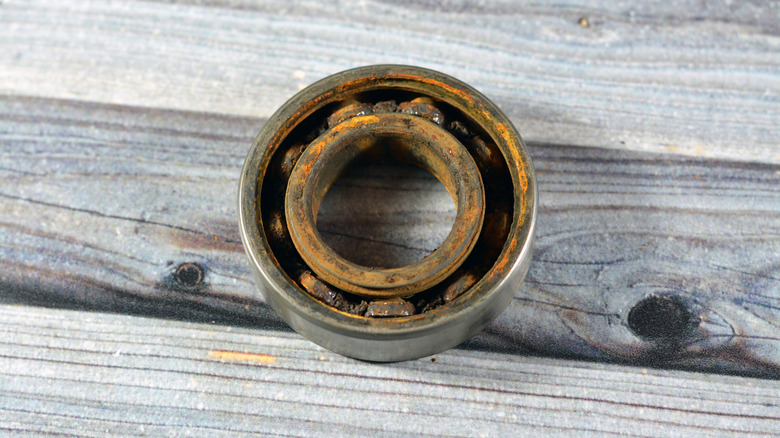
Your washing machine contains bearings that allow the machine's drum to spin smoothly. But, over time, these will wear down from use and will start to grind against the drum. This can cause a grinding noise as your machine spins, and your washing machine may start to experience balance issues. Eventually, these bearings could wear down completely, so before that happens, call in a professional to replace them.
Soaking clothes
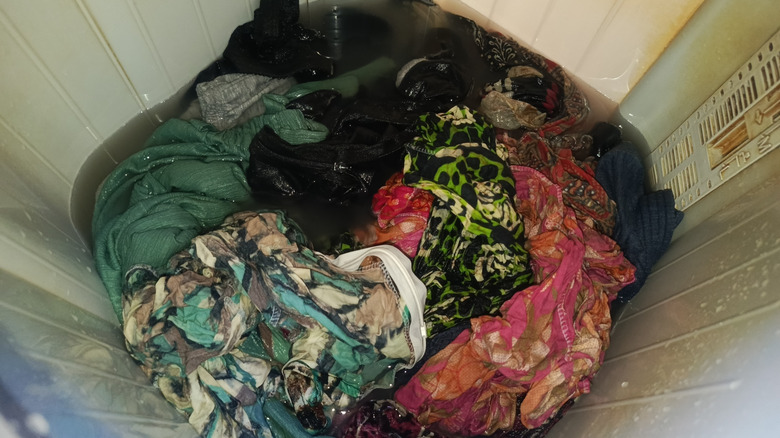
Another key sign that your washing machine is off-balance will be that your clothes will remain soaking wet, even after a spin cycle. An unbalanced washing machine can't rotate fully or drain water off properly, which leads to soggy clothing and wash loads. If removing some of the laundry and redistributing weight doesn't help, check for kinks and blockages in the drain hose or pump, and do try the "drain and spin" setting if your machine has one, as this can provide a more powerful spin. If this doesn't help, though, you'll need a professional to repair it.
Uneven flooring
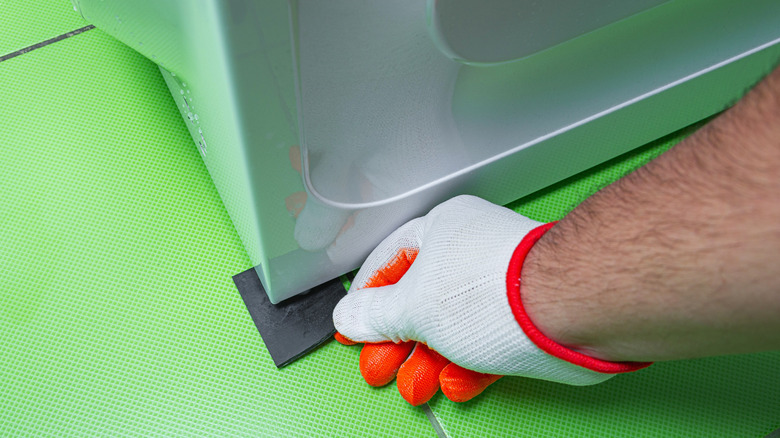
Most of us probably won't notice if our floors are slightly uneven, but your washing machine certainly will. If it's on an uneven surface, it could rock during spinning, which will lead to an unbalanced drum. This is an easy fix, but you'll need a spirit level so that as you adjust the leveling feet on the bottom of your machine, you'll be able to see when it's completely level. You could also add in rubber pads to help keep your washing machine extra quiet.