

28 Beautiful Flowers You Never Realized You Can Plant During Winter
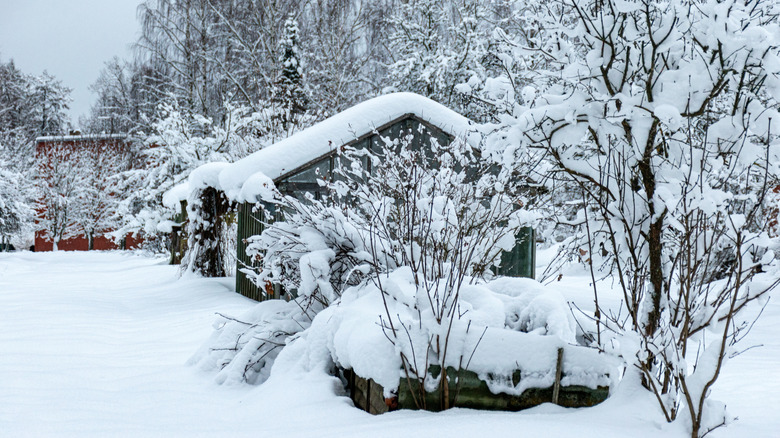
There's a quiet magic in discovering that some of the most beautiful flowers begin not in the warmth of spring but in the cold, still months when most gardens sleep. Many hardy annuals, wildflowers, and perennials are actually waiting for winter's chill to wake them up. By using methods that mimic how plants naturally start in the wild or choosing winter-hardy plants, you can grow flowers you may never have realized can be planted in winter.
When planting seeds, you can mimic the natural cycle of a reseeding plant using a technique called winter sowing, which works well for some hardy annuals and many native perennials — like milkweed and purple echinacea — that need weeks of cold, moist stratification before they sprout. These seeds germinate after they are exposed to constant cold, moisture, and slow warming. One of the best tips and tricks for winter sowing is to use milk jugs to protect your seedlings because they act as little greenhouses.
By embracing winter as a growing season, you can see more blooms thriving precisely because they thrive in the cold. Many of the flowers you can plant in winter, like pansies, will continue blooming from winter into spring in many regions because they're cool-season annuals and perennials that can tolerate colder temperatures. And like some seeds, bulbs like tulips and daffodils need a certain amount of cold to prepare them to bloom.
Common milkweed
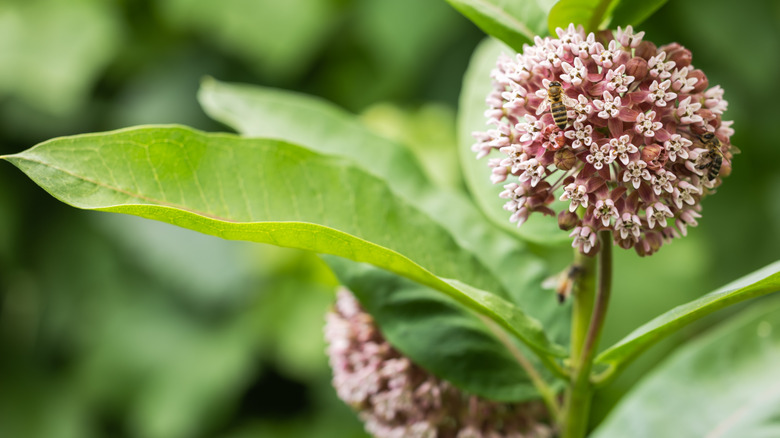
Common milkweed (Asclepias syriaca) is one of the best flowers to start in winter because its seeds respond naturally to cold, moist conditions. Winter sowing is a perfect fit since cold, moist stratification reflects the time they would spend in the ground over the winter. Once established, this native herbaceous perennial requires little care because it grows in full sun and can withstand dry or poor soil. Butterflies and other pollinators are drawn to the clusters of fragrant pink, white, or mauve flowers it produces throughout the summer in USDA Hardiness zones 3 to 9.
Purple echinacea
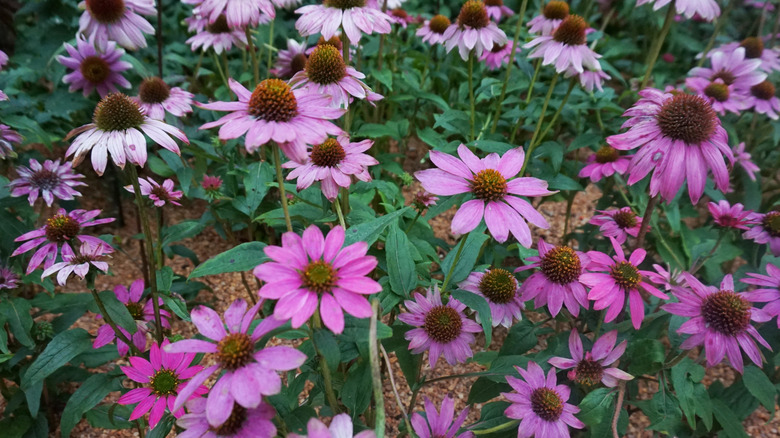
Purple echinacea (Echinacea purpurea) is a strong winter-sown candidate because its seeds germinate better after exposure to cool, moist conditions. Once established, coneflowers require little care because they can withstand heat, drought, and poor soil, but it's not a bad idea to learn more about how to care for purple coneflowers in your garden. Plants grow 2 to 4 feet tall and produce showy purplish pink blooms from June through August, attracting birds and butterflies all season. Because they self-seed freely when seed heads are left in place, coneflowers fit well into naturalized spaces and pollinator gardens in zones 3 to 8.
Witch hazel
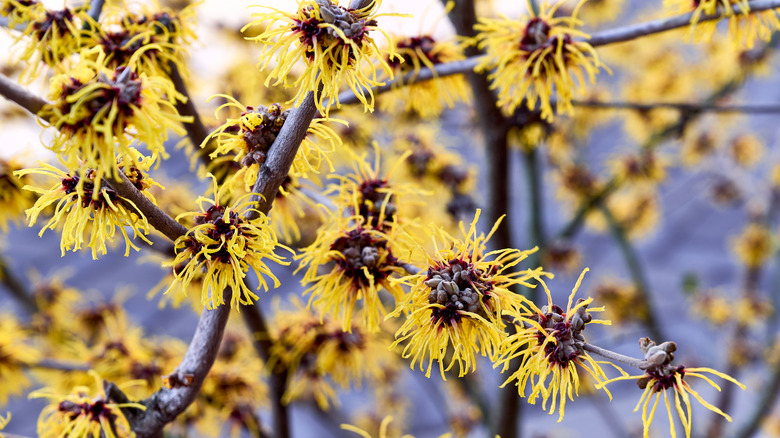
Witch hazel (Hamamelis virginiana) is a winter shrub that adds a little color to dull winter gardens with its sunny, ribbon-like blooms. It's native to eastern North America, where it grows along stream banks and woodland borders. Hardy in zones 3 to 8, its flowers appear from late fall to early spring, depending on the region. Plant witch hazel in full sun to partial shade in moist or well-drained, acidic soil any time the ground is workable in winter. This shrub can be used as a low-maintenance privacy screen, tolerates clay soil, and even provides food for wildlife.
Downy lobelia
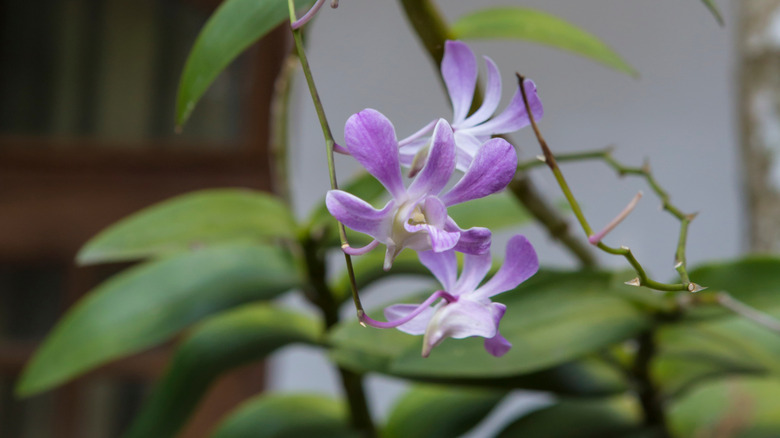
Downy lobelia (Lobelia puberula) responds well to winter planting because its seed needs about 60 days of moist, cold stratification, giving the season's natural chill a useful role. This perennial grows up to 4 feet tall and produces blue, two-lipped flowers in August and September. It can survive soil conditions from moist to occasionally dry or wet, and it can adapt to a variety of soil types. Downy lobelia grows in full sun or partial shade and is hardy across zones 4 to 9, making it a flexible choice for gardeners looking to start seeds outdoors during winter.
Anise hyssop
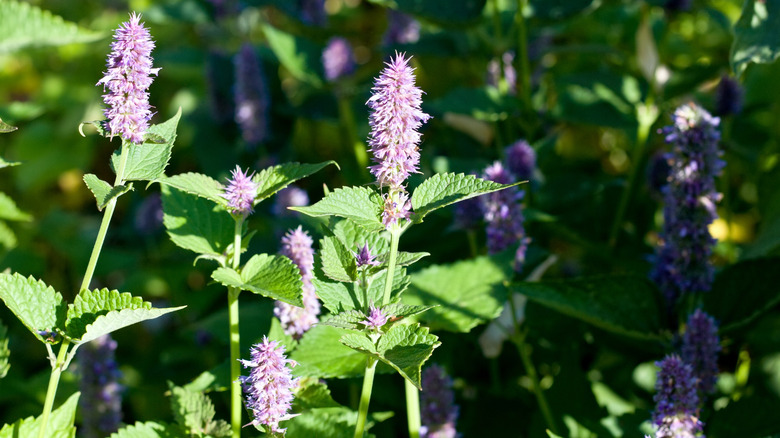
Anise hyssop (Agastache foeniculum) handles being grown in winter because its seeds respond to cold, moist stratification as a natural cue that improves germination. A hardy short-lived perennial in zones 3 to 8, it can be grown in full sun or shade as long as it's in well-drained soil. Native to prairies and upland forests across the upper Midwest, Great Plains, and into Canada, it forms upright clumps 2 to 4 feet tall with fragrant, licorice-scented foliage. The plant grows from a small taproot with spreading rhizomes and produces lavender to purple flower spikes from early summer into fall.
Blazing star
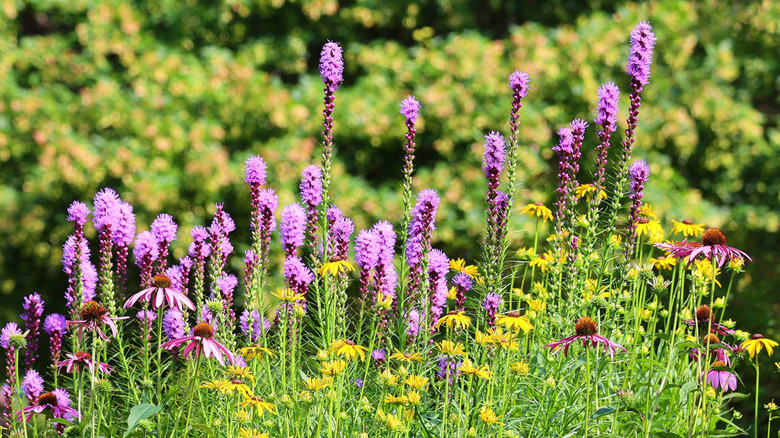
Blazing star (Liatris punctata), also known as dotted gayfeather, is well suited to winter planting because its seeds germinate readily after a period of cold, moist stratification. This herbaceous perennial grows in zones 3 to 8 and thrives in full sun. It handles a range of well-drained soils, staying more compact and upright in dry, gravelly conditions. Mature plants can reach 4 feet, and have red-purple, showy flowers that bloom from July to August. Winter sowing or late fall planting allows the seeds to settle in naturally and supports strong establishment when growth resumes in spring.
Black-eyed Susan
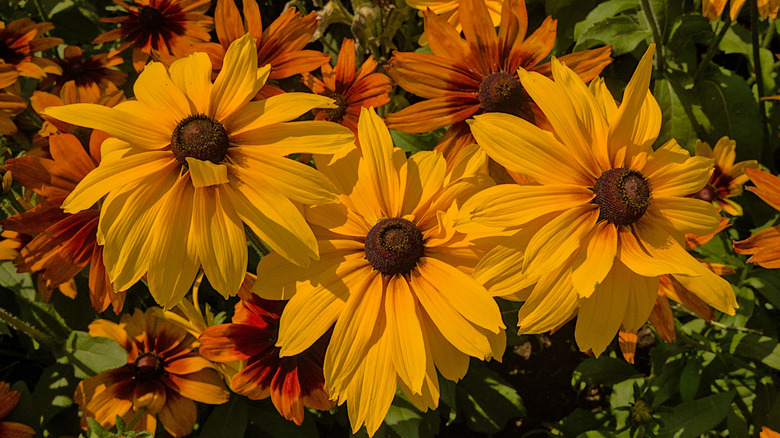
Black-eyed Susan (Rudbeckia hirta) adapts well to winter when cold, moist stratification is used to break its dormancy. Native to the eastern United States, it is a fast-growing biennial or short-lived perennial that grows best in zones 3 to 8. Once established, it can withstand full sun to partial shade in clay, loam, or sandy soils with enough moisture and drainage, reaching a height of 2 to 3 feet. From July through fall, pollinators are drawn to the bright yellow to orange petals encircling a domed core, which guarantees plenty of garden activity.
Tall anemone
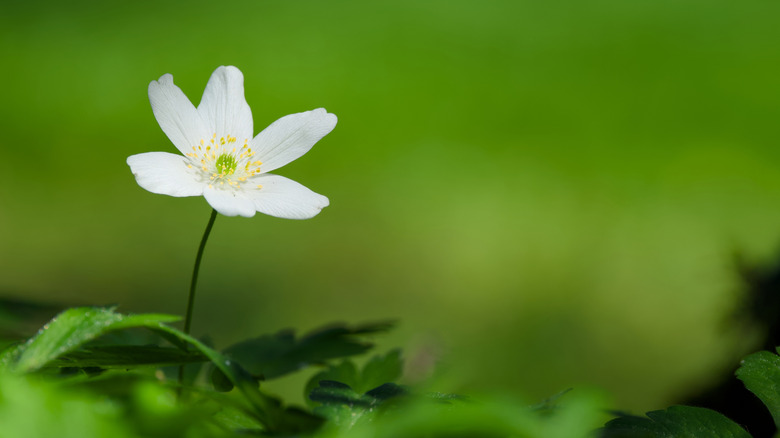
Tall anemone (Anemone virginiana) handles winter conditions well because its seeds need two to three months of cold, moist stratification. Native to central and eastern North America and hardy in zones 2 to 8, it grows in woodlands, prairies, and on wooded slopes. This herbaceous perennial reaches 1 to 4 feet tall and prefers moist, humus-rich sandy soil in full or partial sun, though it tolerates full shade and even dry or shallow, rocky sites. Spring brings white, petal-like sepals surrounding a thimble-shaped center that develops into cottony seed heads.
Aromatic aster
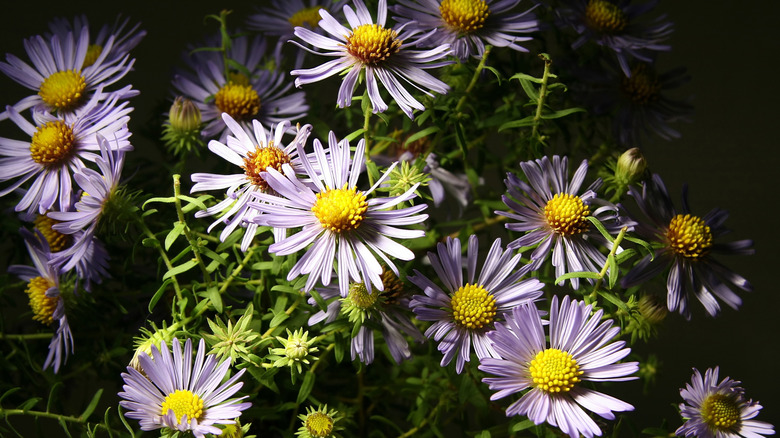
Aromatic aster (Symphyotrichum oblongifolium) grows reliably from seed when given cold, moist stratification, making winter a practical time to prepare it for spring emergence. Hardy in zones 3 to 8, this native perennial forms dense, low mounds up to 3 feet tall and thrives in full sun with well-drained clay, loam, or sandy soils. Its fibrous, rhizomatous roots allow each plant to expand across open ground, where it avoids competition. Purple flower heads, each more than an inch wide, bloom from late summer until frost.
Blue false indigo
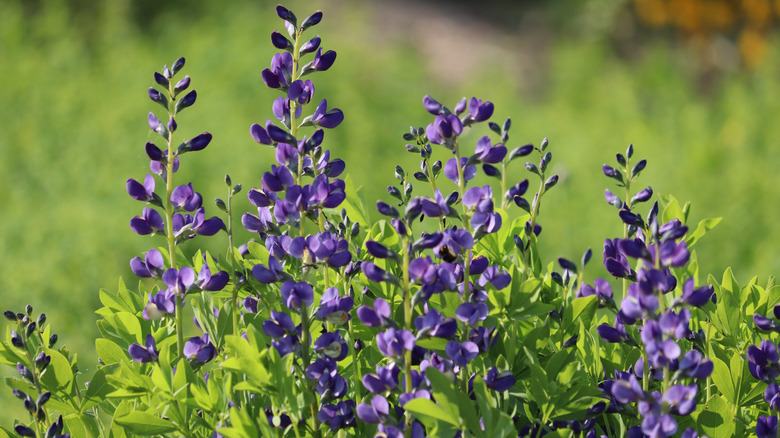
Blue false indigo (Baptisia australis) starts well from seed when given proper pretreatment, making winter an effective window for preparation. The seeds benefit from gentle scarification with medium-grit sandpaper, followed by about 10 days of cold, moist stratification. Hardy in zones 3 to 9, this Eastern U.S. native forms a sturdy clump 3 to 4 feet tall and wide, and its Indigo-blue flowers appear in late spring. It thrives in full sun to part shade and handles dry to medium moisture.
Pansy
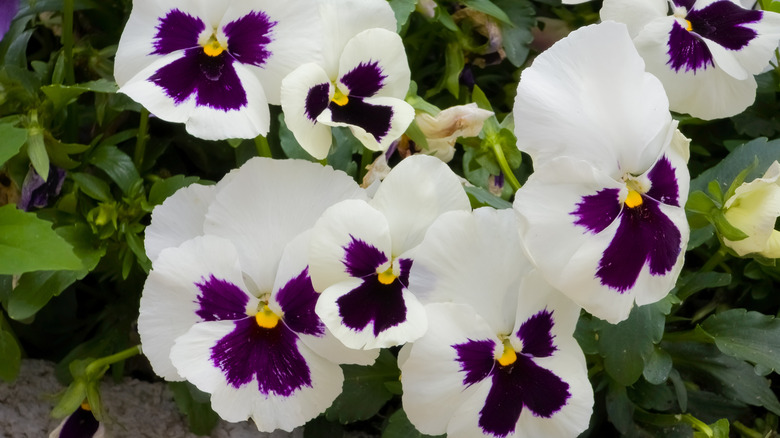
Pansies (Viola x wittrockiana) thrive in the cold weather that damages many other bedding plants. As hardy herbaceous perennials in zones 6 to 10, they tolerate temperatures that drop into the single digits and can even freeze solid before rebounding when conditions warm. When planted small and mulched, their compact size — typically less than a foot tall — allows them to overwinter consistently. Pansies grow in full sun to part shade and offer blooms in an exceptionally wide color range. Because they grow through winter, they require careful fertilization, avoiding high ammoniacal nitrogen to prevent weak, cold-susceptible growth.
New York Ironweed
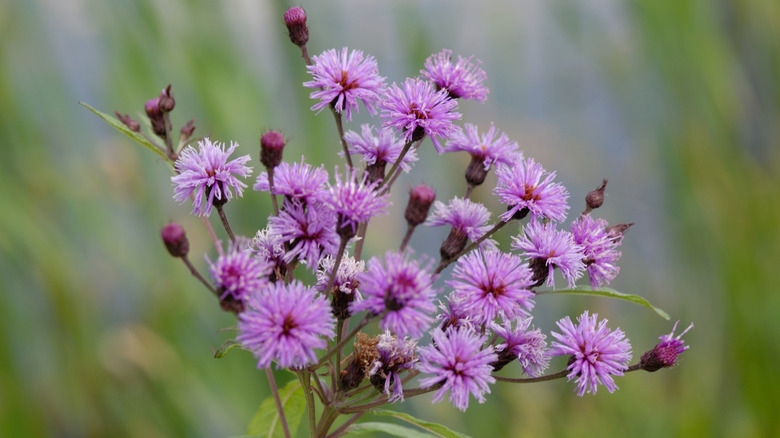
New York ironweed (Vernonia noveboracensis) starts from seed when exposed to 60 days of cold, moist stratification. This native of the Eastern United States grows to a height of 4 to 8 feet and is hardy in zones 5 to 9. It thrives in full sun and medium to wet soils, including clay. From late summer into fall, clusters of deep purple flowers are supported by sturdy stems, which produce a dramatic vertical accent in meadows, rain gardens, and stream borders. It's best to prune individual stems to different heights for the best look.
Tulips
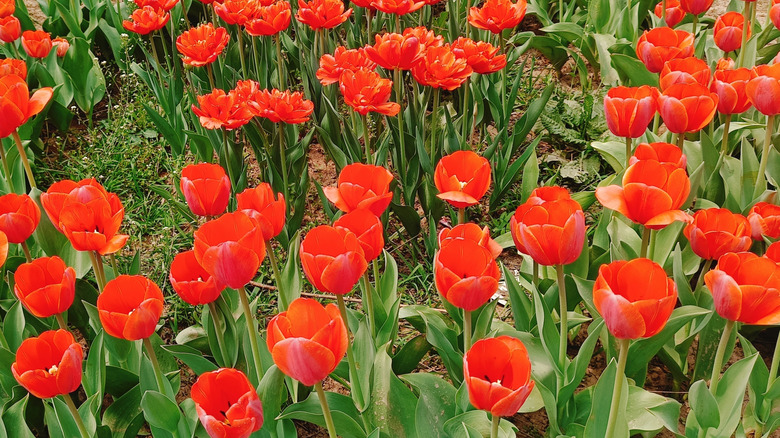
Tulips (Tulipa spp.) are well-suited to winter planting, especially for gardeners who miss the ideal fall window. These spring-flowering bulbs can still go into the ground as late as December, as long as the soil hasn't frozen. Tulips grow as perennials or annuals in zones 3 to 8 and some species can reach up to 2 feet tall. They need full sun and well-drained, organically rich soil to thrive in climates with cool, moist winters. Plant bulbs 4 to 6 inches deep and space them a few inches apart.
Lanceleaf coreopsis
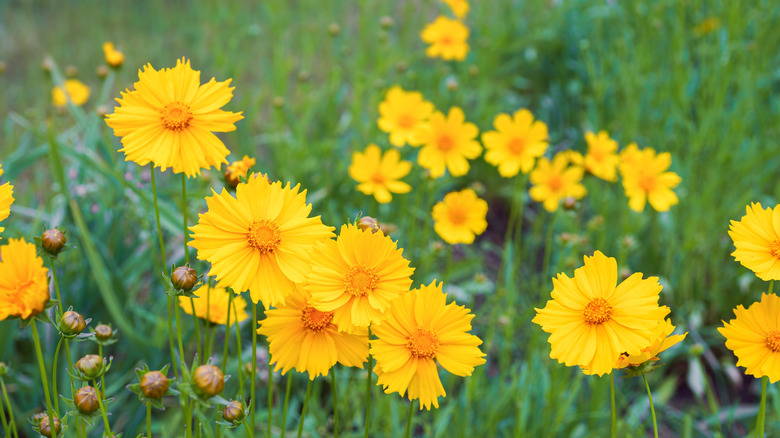
Lanceleaf coreopsis (Coreopsis lanceolata) needs just 30 days of cold, moist stratification, making winter the ideal time for its required chill. This 1- to 2-foot-tall perennial is hardy in zones 4 to 9 and grows well in full sun and dry to medium soils, even rocky or sandy ones. Butterflies are drawn to its early-summer display of bright, yellow blossoms and lance-shaped leaves. Divide the plant every few years to keep it healthy, but be aware that its tendency to self-seed means that gardeners will need to deadhead frequently to keeping from spreading.
Tall white beardtongue
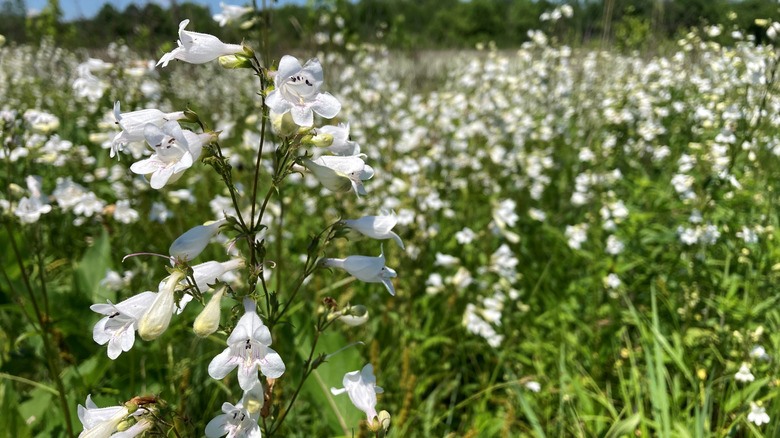
Tall white beardtongue (Penstemon digitalis) starts best with 30 to 60 days of cold, moist stratification, followed by light exposure during germination. This clump-forming perennial grows in zones 3 to 8 and reaches up to 5 feet tall in full sun or light shade. It can be grown in a variety of soils, provided the soil has good drainage, and its upright clusters of white tubular flowers invite bees, butterflies, and hummingbirds to gardens. Its tolerance for occasionally dry conditions and well-draining clay soil makes it reliable in native plantings, borders, and pollinator gardens.
Obedient plant
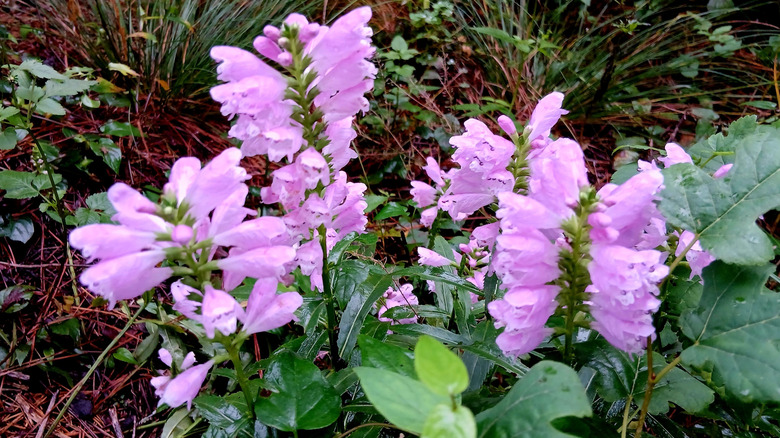
Obedient plant (Physostegia virginiana) germinates more reliably when its seeds receive two to three months of cold, moist stratification, making winter conditions useful for starting this perennial. Growing in zones 3 to 9, it forms quick-spreading clumps that reach 3 to 4 feet tall in full sun or part sun. Moist, well-drained soil will support its tall spikes of pale purple, rose, or white flowers, which open from the base upward from midsummer to the first frost. Its shallow roots make division simple, which is an important task because rich, moist soils can encourage vigorous spread.
American bellflower
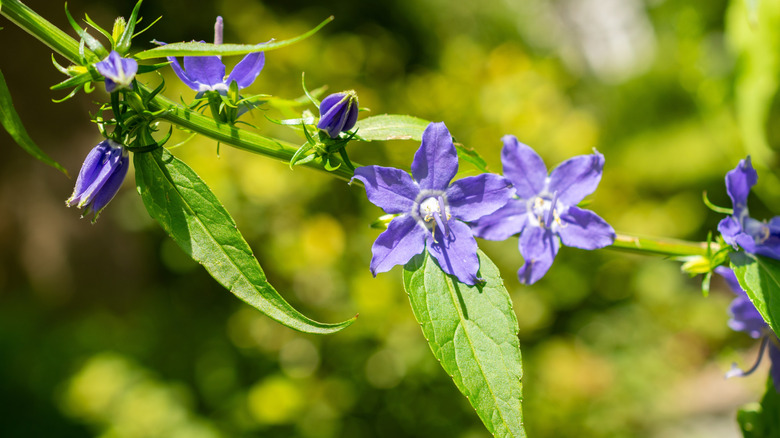
American bellflower (Campanulastrum americanum) suits winter seed-starting because its germination improves after two to three months of cold, moist stratification. Native to moist woods, meadows, and streambanks across eastern and central North America, it grows as an annual or biennial and reaches 3 to 6 feet tall in zones 4 to 7. Rich, moist, well-drained soil and partial shade support its tall stems and star-shaped violet-blue flowers, which bloom from midsummer into early fall. Once established, it reseeds freely, making it a good choice for naturalizing in woodland edges and other partially shaded spaces.
False sunflower
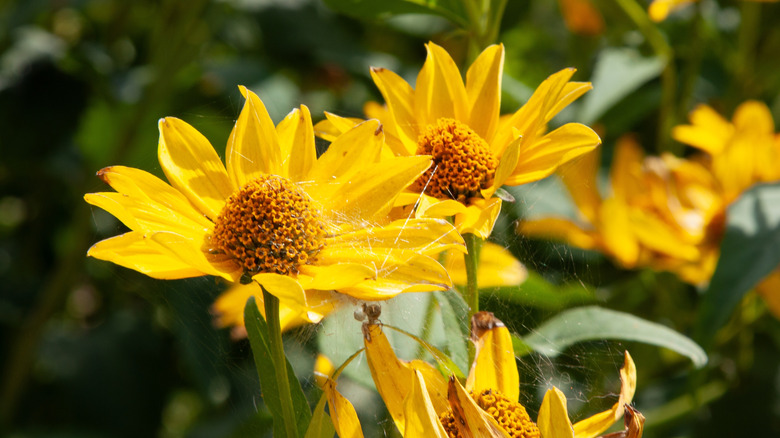
False sunflower (Heliopsis helianthoides) benefits from two to three months of cold, moist stratification, making winter an effective time to plant it. This native perennial grows 3 to 6 feet tall in zones 3 to 9 and thrives in full sun with dry to medium, well-drained soil, including clay or rocky sites. Its upright clumps produce orange-yellow, daisy-like blooms from June to August, each with a cone-shaped center that supports birds and butterflies. Because the fertile florets produce seeds, the plant can self-sow and gradually form bright, low-maintenance colonies in the areas of your garden where its planted.
Culver's root
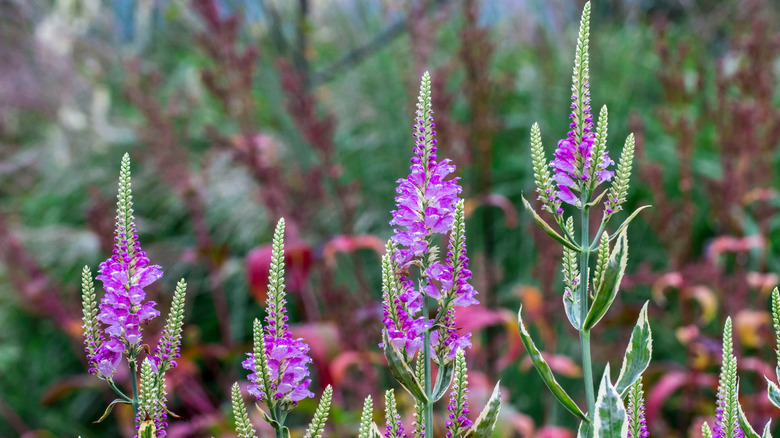
Culver's root (Veronicastrum virginicum) benefits from about three months of cold, moist stratification, and its seeds need light to germinate, making winter an effective window to start this tall native perennial. In zones 3 to 8, it grows 4 to 7 feet high in full sun and medium to wet, well-drained soil, forming strong vertical lines of dense white to pale blue flower spikes appear from June to August. Because the plant dislikes drying out and takes time to establish, consistent moisture during early growth helps it settle in and thrive.
Virginia bluebells
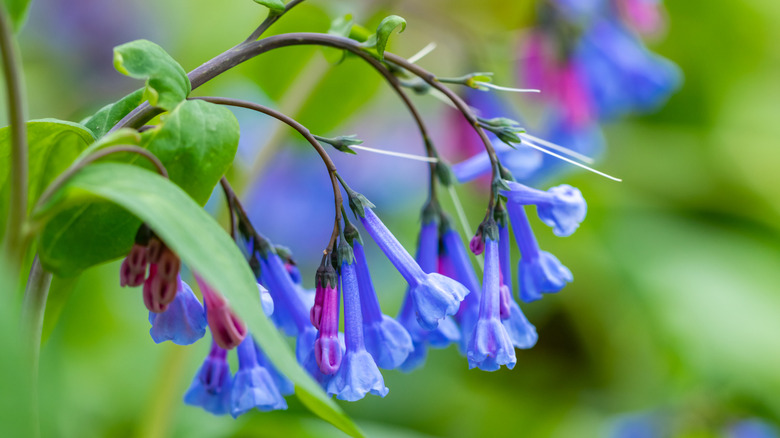
Virginia bluebells (Mertensia virginica) suit winter sowing because their seeds benefit from about six weeks of cold, moist stratification, a natural match for the season's conditions. This native perennial grows in zones 3 to 8, forming compact 1 1/2- to 2-foot clumps that thrive in part to full shade and moist, humus-rich soil. Pink buds open into pendant blue flowers from March to April, creating a short but memorable display before the plant goes dormant in midsummer. Winter-started seedlings settle in as the soil warms in spring, helping these shade-loving wildflowers establish colonies beneath trees and shrubs.
Daffodil
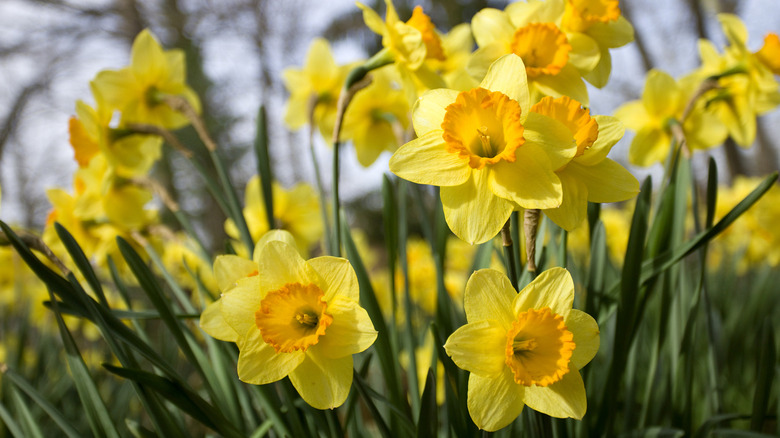
Daffodils (Narcissus spp.) are dependable bulbs that handle winter planting well, as long as the ground hasn't frozen. They grow as hardy perennials in zones 4 to 8 and rely on natural seasonal temperature shifts — warm to cool to warm again — to spur root growth, leaf development, and spring blooming. These bulbs product plants that reach 6 to 30 inches tall and produce white, yellow, orange, pink, or bicolored flowers in early spring. Plant daffodils from mid-fall through early winter and place the bulbs within a month of receiving them for the best results. They thrive in full sun to part shade.
Rattlesnake master
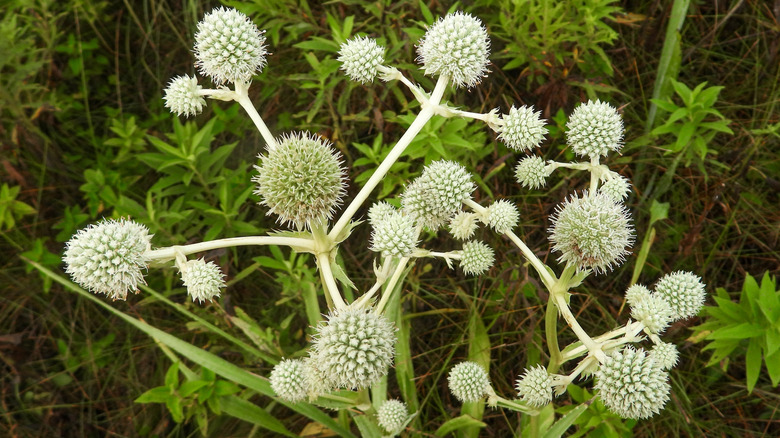
Rattlesnake master (Eryngium yuccifolium) fits well into winter sowing because its seeds require about two months of cold, moist stratification before they will germinate. This hardy native perennial grows in zones 3 to 8 and forms upright clumps reaching 4 to 5 feet tall in full sun and dry to medium soils. Its greenish-white flower heads appear from June to September and draw butterflies while tolerating drought, clay, and rocky conditions. Plants will settle into place before producing their distinctive spiny foliage, which should be planted away from paths.
Orange coneflower
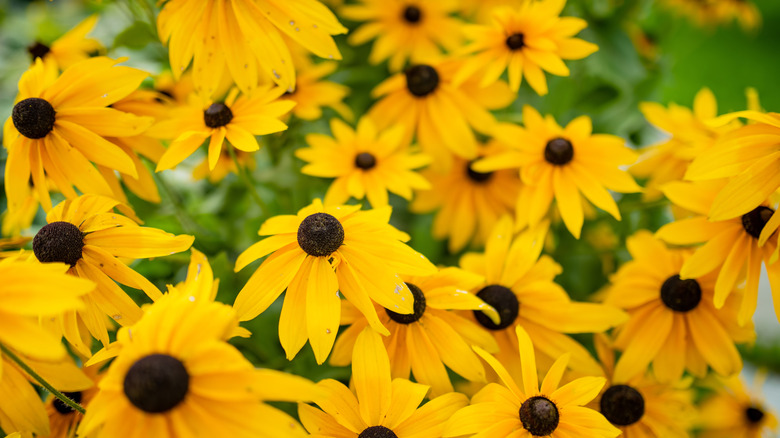
Closely related to black-eyed Susans, the orange coneflower (Rudbeckia fulgida) handles winter sowing well because its seeds germinate more reliably after two to three months of cold, moist stratification. This clump-forming perennial is native to the eastern United States and grows in zones 3 to 9, settling into full-sun sites with clay, rocky, moist, or occasionally dry soils. Plants reach about 3 feet tall and spread by rhizomes, often forming cheerful colonies. By midsummer, they produce a long display of yellow, daisy-like blooms with brownish-purple disks. The sturdy foliage and persistent flower show make it a great choice for sunny garden borders.
Bunchberry
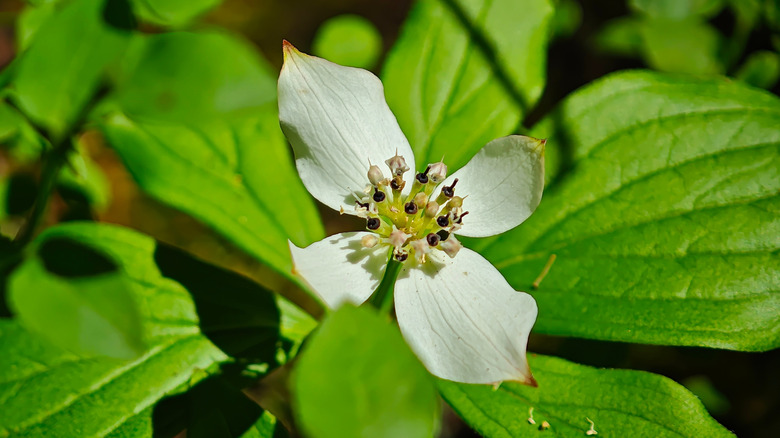
Bunchberry (Cornus canadensis) can be started in winter as long as its seeds get cold, moist stratification to mirror the cool woodland climates it prefers. This low-growing dogwood relative creates a dense groundcover in gardens in zones 2 to 7, spreading slowly by rhizomes in moist, humus-rich soil. Its four white bracts appear in spring and resemble a miniature version of flowering dogwood, followed by bright red berries that linger into fall. Plants need dappled or partial shade and steady moisture, and they may take up to three years from seed to bloom.
Starry campion
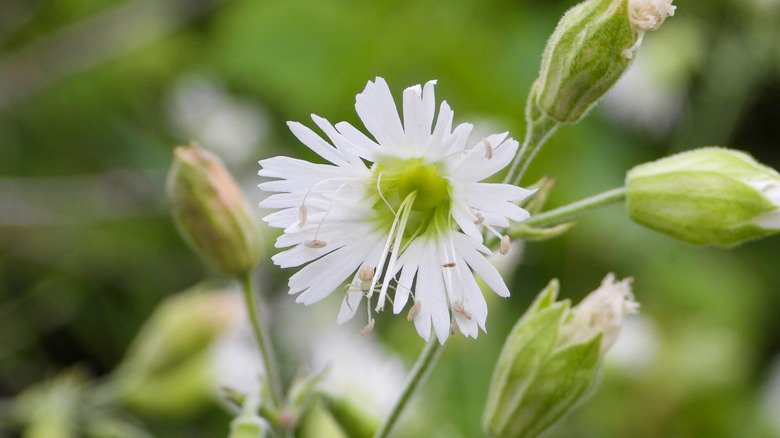
Starry campion (Silene stellata) fits well into winter sowing schedules because its seeds benefit from a short period of cold, moist stratification. This native perennial grows in zones 5 to 8, forming loose clumps 2 to 3 feet tall that have finely fringed white petals. It grows best in partial shade and well-drained sandy or clay soils, tolerating drought once established. Whorled lance-shaped leaves and upright stems give it a tidy structure in plantings. Mature plants can also be divided in late fall, making it easier to expand a patch in a naturalized or pollinator garden.
California flannelbush
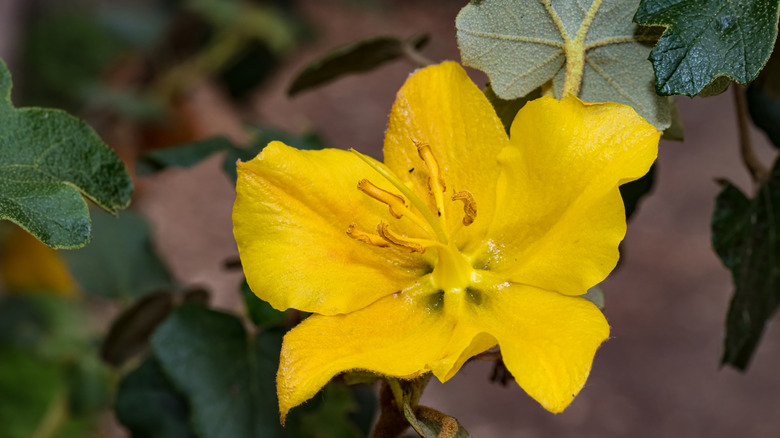
California flannelbush (Fremontodendron californicum) suits growers who plan ahead for cool-season work because its seeds need hot-water scarification followed by 12 to 16 weeks of cold, moist stratification at 35 degrees. This broadleaf evergreen thrives in zones 8 to 10 and comes from the dry slopes and chaparral of California, western Arizona, and northern Mexico. It grows quickly, forming 8- to 18-foot shrubs with leathery, three-lobed leaves and bright spring flowers. Full sun, well-drained rocky soil, and sparse water keep it healthy, and its strong drought tolerance and showy blooms make it an excellent choice for dry-summer gardens.
Plains zinnia
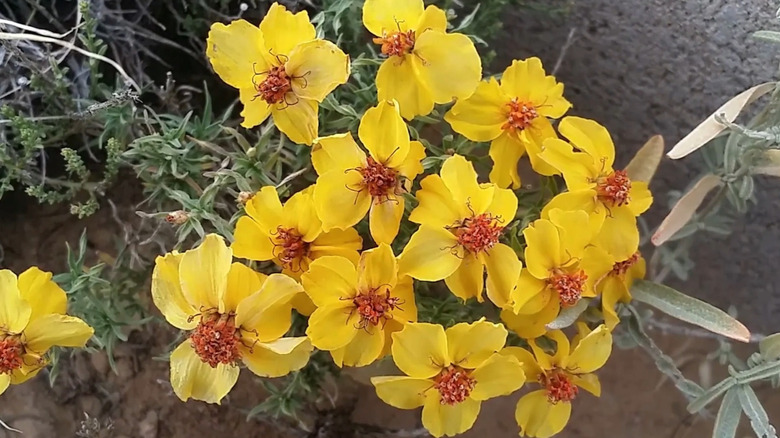
Plains zinnia (Zinnia grandiflora) is a great choice for gardeners doing some cool-season planning because its seeds benefit from cold, moist stratification to help trigger germination. This rugged wildflower grows in zones 4 to 8 at 4 to 8 inches tall, forming a low, mounding mat of needle-like foliage. Native to the dry, rocky soils of the Southwest, it handles everything from severe heat to strong winds, making it a reliable choice for exposed sites. Full sun and soil that has good drainage with occasional dryness support its long bloom season.
Rose
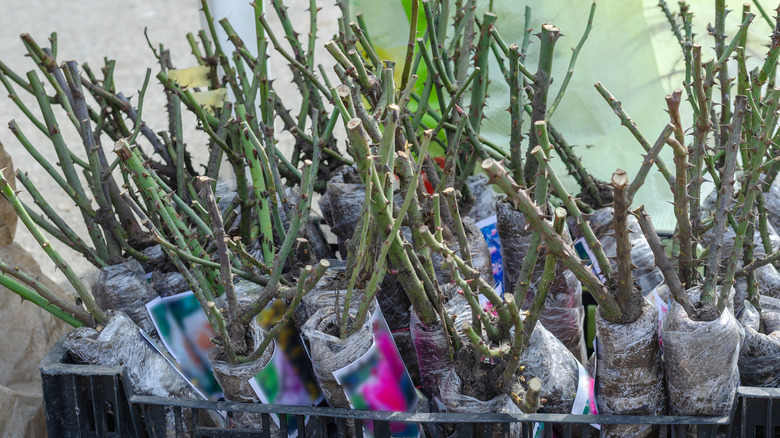
Roses (Rosa spp.) are a special case in winter. Gardeners can purchase bare-root roses, which are dormant and can be found in plant nurseries from late December to early spring. Bare-root roses can be planted in winter if you live in areas that get milder weather during the season and the ground doesn't freeze. You'll need to plant these roses where they'll get at least 8 hours of sun during the day, and in a location with shelter from the wind and cold. It's best to apply mulch to these plants for extra protection.