

For Longer-Lasting Windows, Keep Up With These Maintenance Tasks

When was the last time you maintained your windows? When it comes to recurring chores that need to be done around your home, windows can be easy to forget. They may not be used day-to-day like dishes, and if you have any type of window treatment, any problems or messes that pop up may not be as obvious as they are in other areas. However, windows are more than just a way to get glimpses of the great outdoors from the comfort of your home or add fresh air when needed. Beyond visual appeal, windows also play a role in regulating your home's temperature, which makes regular maintenance important.
Window maintenance doesn't have to be a hassle, however. You can squeeze just a few tasks into your weekly cleaning routine to help keep your windows in tip-top shape, as well as a few seasonal or annual ones that can keep damage and wear at bay while addressing minor issues before they lead to full window replacements. While this requires a bit more TLC on your end, your windows — and your wallet — will thank you.
To get you started, we curated a list of 12 maintenance tasks to help your windows last longer, whether that's through cleaning or minor repairs. Many of these can be done on your own, but there may be some circumstances when you wish to reach out to a professional for help.
Inspect window panes and frames
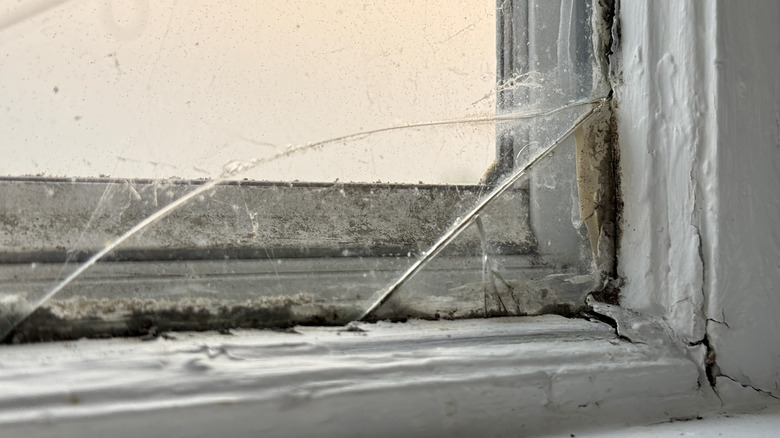
The first step to maximizing a window's lifespan is regular inspection. First, start by looking over the window pane itself. This is the glass portion of the window that you see out of. Cracks are one of the main concerns to be aware of, but you can also look out for chips and other damage. Left untreated, these issues can lead to more significant problems over time. You can also take this time to inspect the window frame for any functional or cosmetic concerns that need repair.
Keep up with window sash maintenance
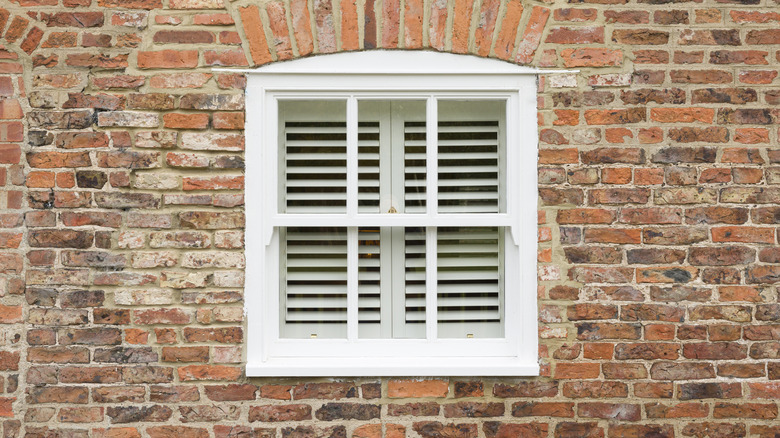
While inspecting your window's panes and frame, it can also be helpful to give some attention to the sash. This is the portion of your window that sits within the frame and holds the glass in place. For this step, you want to ensure that everything is snug in its right place, with the sash properly adhered to the glass panes to prevent drafts. If your window sash moves, as many do to allow you to open your window, it's important to check for any problems with the mechanical aspects.
Repair window frames as needed
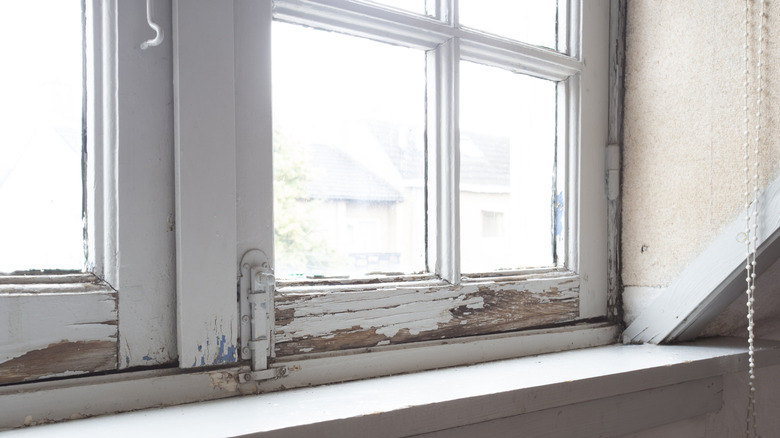
When you're inspecting your window frames, you may find some damage or areas in need of a pick-me-up. In some cases, the amount of repairs may be mild. For example, your frame should be adequately sealed to your house to prevent any drafts or issues. If this isn't the cause, you may need to replace the caulk. However, if there are any issues, such as warping or rot, you may need to break out the epoxy wood filler or even consult a professional for repairs, depending on the severity of the damage.
Clean your window panes
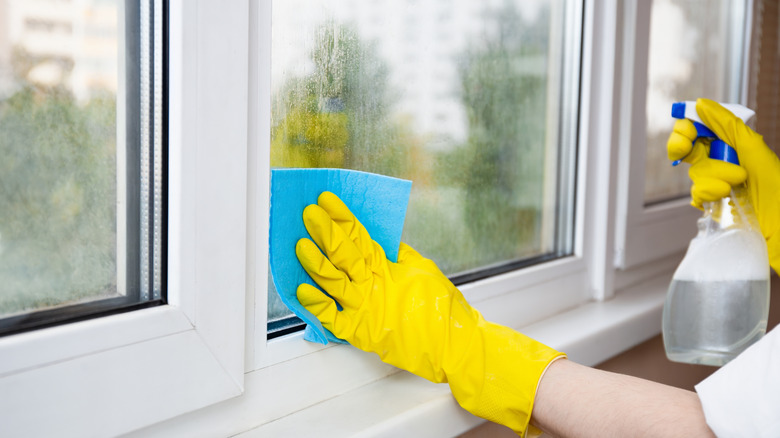
If an inspection shows that your windows are already in tip-top condition, then the next step in maintenance for longer-lasting windows is a thorough cleaning. Grime on window panes can make it difficult to maximize light in a room while also impeding your outdoor view. Not to mention that, among the grime that can build up on windows, mold and mildew can also make an appearance. As a result, it's important to clean the entire window, although the process can be different for each part. For window panes, gently wipe with a diluted vinegar solution.
Wipe down window frames
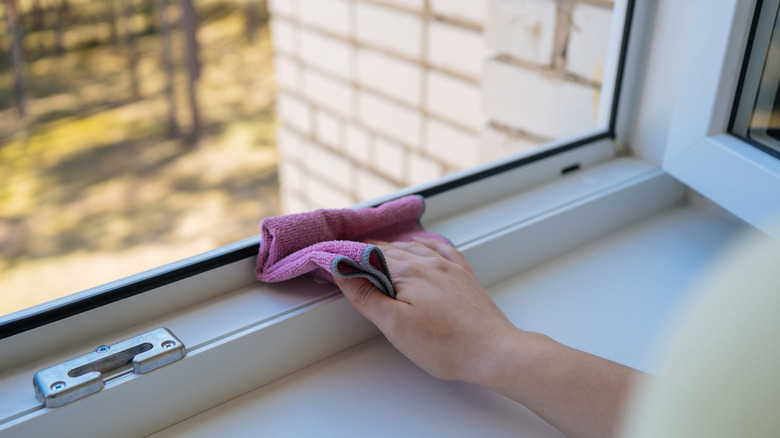
When cleaning your window frames, you want to remove any debris before ever grabbing a rag. This is especially true for any tracks or nooks and crannies where dust, dirt, and other debris can accumulate. Neglecting this area can make windows harder to open and operate properly. Once you've removed any grime that's built up, you can use a gentle rag and cleaning solution to tackle any stubborn stains. Just make sure not to soak your frame, especially if it's wood, and avoid any cleaners that could cause scratches.
Add and maintain weatherproofing
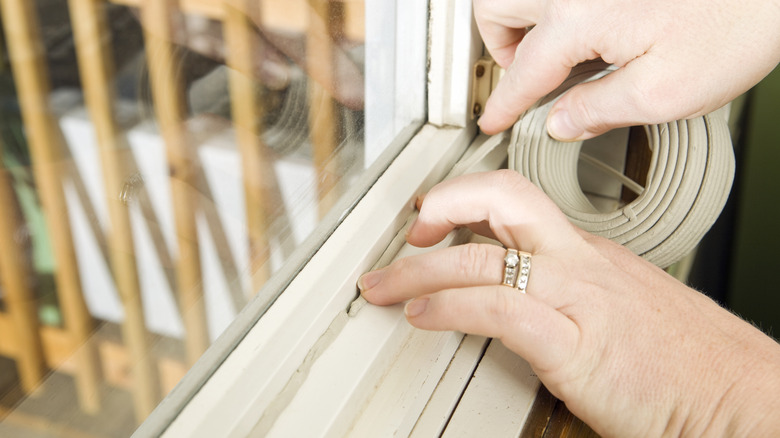
Windows have a barrier known as weather stripping that ensures there are no gaps when your window is closed. While this may seem like a minor detail, this inclusion plays a role in how energy efficient your windows are. This is because weather-stripping is used to combat drafts while also cutting down on moisture, airborne pollutants like dust, and even noise. As a result, part of maintenance for long-lasting and effective windows means checking and maintaining your window's weatherproofing each month. In some cases, a replacement may be needed, which some homeowners opt to do themselves.
Add extra insulation when needed
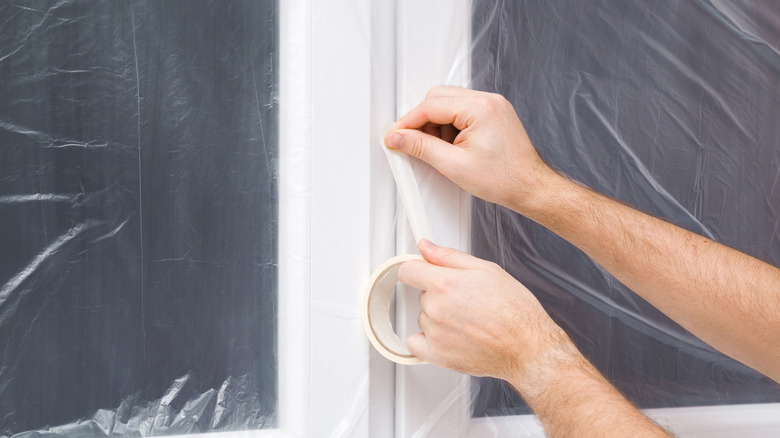
If you live in an area that receives cold weather on the regular, drafts may feel like an expected visitor, even with well-maintained weatherproofing. However, too much cold weather isn't just uncomfortable for you: it can be risky for your windows. When regularly exposed to cold temperatures, windows can experience stress cracks, warping, shrinking, or damage in other areas. You may want to opt for extra insulation as needed to help protect your window while keeping drafts at bay, such as plastic sheeting designed with windows in mind.
Lubricate any moving parts as needed
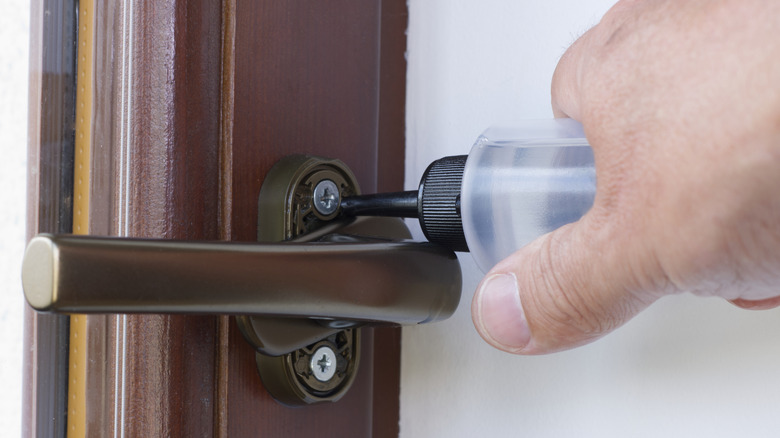
Depending on the type of window you have and whether or not it opens, you could be dealing with a variety of moving pieces. If your window slides up to open, you could be faced with a track; if it opens outward, perhaps hinges. Maximizing a window's lifespan also means paying attention to these parts, even if they may not be the first thing to catch your eye. For the best results, take time to lubricate any moving parts of your window regularly using a silicone-based lubricant to prevent any drying.
Mitigate condensation
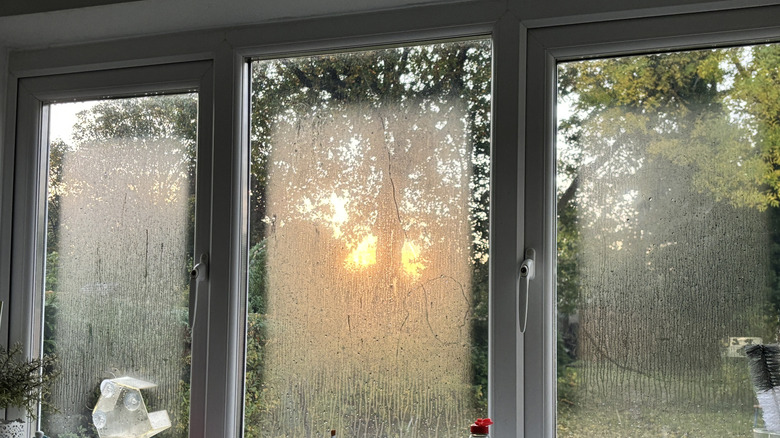
During the winter, many people prefer to keep their homes warm as a way to fight off the cold outside. The air outside isn't just cold; it's also dry, a stark contrast to the humidity indoors. As a result, this cold, dry air can leave your window panes chill, which can cause condensation once that warm humidity from indoors makes contact. While natural, condensation can still lead to problems associated with excess moisture for your window, including mold or mildew. Fortunately, there are ways to prevent window condensation, even without a humidifier.
Check locks for failure
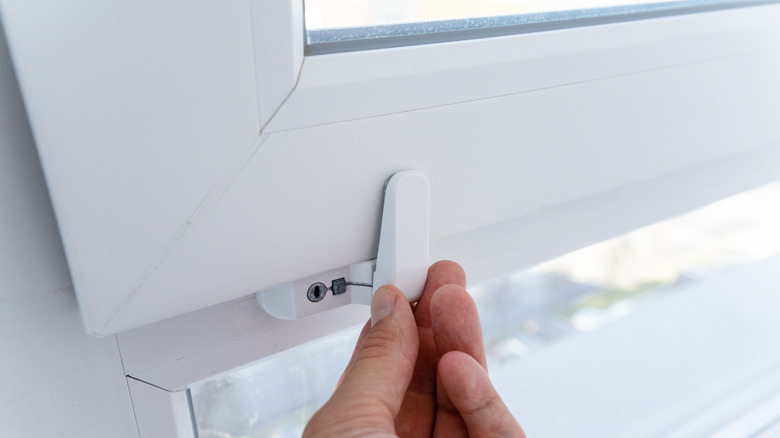
Longer-lasting windows aren't just about maintaining efficiency so you can postpone a replacement. It's also about ensuring your home is adequately protected. As a result, even a window that's in otherwise perfect shape could use a repair or replacement when locks start to fail, which is why maintaining these parts is an essential task. While inspecting and cleaning your windows, test any locks or latches. This includes any child safety features you may have added on your own.
Trim any nearby bushes or trees

When you're thinking about maintenance for longer-lasting windows, some of the first tasks that come to mind have to do directly with the window itself. However, tackling the environment around your window can also be helpful. While not all plants will pose a problem, those with aggressive vines or branches can damage the surface of your window, leading to replacements sooner rather than later. Another risk that comes along with neglecting tree pruning is falling branches that could break windows. Trimming nearby bushes can offer aesthetic benefits as well.
Tighten loose screws, bolts, or other parts as needed
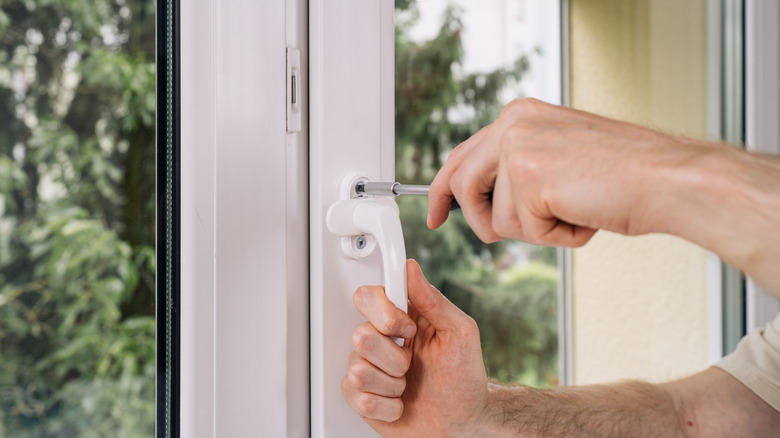
Windows have many moving parts, as well as quite a few static pieces you'll want to ensure stay as such. Windows can use screws to keep them in place, which aids in preventing drafts or other issues. As a result, it's important to check and maintain these components regularly. Use a screwdriver when necessary for tightening or replacing ones that may have become broken or stripped.