

13 Of The Best Home Renovation Projects To Tackle During Winter
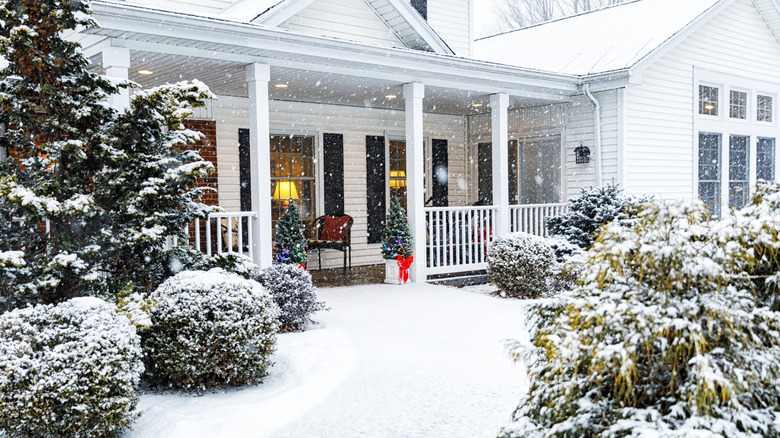
Spring and summer might be common seasons for renovations, but the colder months are also prime for updating your house. After all, you're likely spending a lot of time indoors anyway, and you may not have as many activities to keep you busy. Renovation projects, like painting your walls, installing new flooring, making over an outdated fireplace, or finishing a basement, keep you busy while you're inside and give you a refreshed, updated space that you can enjoy for the rest of winter. And some projects, like installing radiant floor heating, adding insulation, and sealing gaps, help you stay cozier while reducing your energy bills during the coldest months of the year.
Winter housework could also be beneficial due to less competition — contractors are often available sooner and may offer better rates. If you're DIYing the work, it's often easier to find materials in stock since not many people are renovating. What makes a project a good candidate for a winter renovation? Our list focuses on indoor tasks that you can do without freezing out your family (we're not tearing off the roof to install a new one or tearing out a wall to install French doors to your patio). Think about the dust and fumes a project will generate — it's not as easy to deal with them in the winter. Here are 13 projects that are a) doable in winter, and b) will add coziness, style, and function.
Add a kitchen backsplash to protect the walls and dress up the room
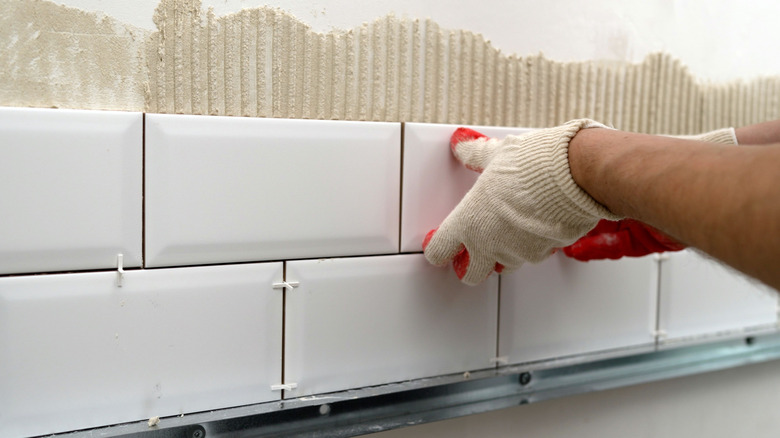
From baking holiday cookies and hosting holiday meals to whipping up cozy meals on weeknights, the kitchen is a hub of activity during the winter months. A backsplash creates a prettier background for those cookie photos for Instagram, and adding a durable material over the drywall adds protection from splatters and spills while making cleanup easier. Plus, it's a relatively quick project — tiling a backsplash is one of many renovation projects you can DIY in a weekend – so your kitchen won't be out of commission for long.
Look at your holiday schedule before planning your backsplash installation to ensure your project is wrapped up in plenty of time. Allow the materials to adjust to the indoor temperature and humidity level for at least 24 hours – peel-and-stick tiles, in particular, need time to warm up and acclimate to your kitchen, especially if they were stored in a cold location. This helps the adhesive stick to the walls better. Cold temperatures also cause slow drying if you're using mortar to install tiles, so keep your kitchen warm during the installation. The optimal temperature range for installation is between 50 and 95 degrees Fahrenheit, which shouldn't be a problem in a home you're occupying.
Insulate your home to keep the cold weather out
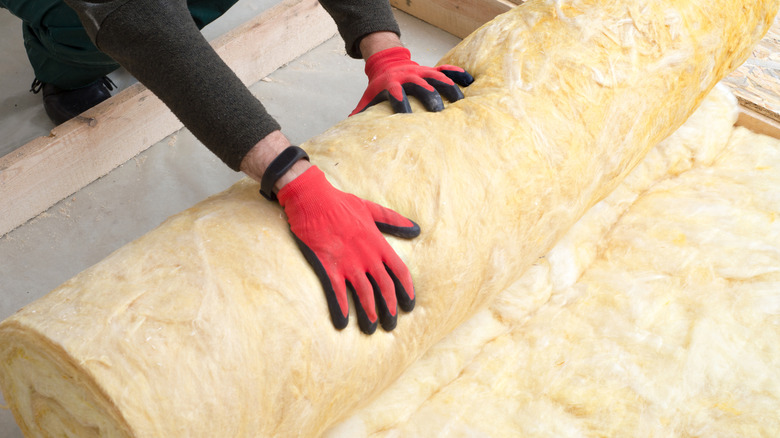
One of the perks of completing certain home improvement projects in the winter is seeing exactly where the problems are. Insulation is an ideal example: Cold weather outside makes it easier to notice where insulation is lacking because those areas feel colder. The project also has an instant impact on the comfort of your home, making it warmer as soon as you complete the work. With increased insulation and a warmer home, the HVAC system doesn't have to work as hard to heat the space. And that usually means a decrease in your utility bills and less wear and tear on the equipment.
It's a good idea to check the condition of the existing insulation. Your home likely has some insulation in the attic, basement, floors, and walls, but it can deteriorate over time. Then, plan where and how you'll insulate; don't forget areas like the attic access door, unheated garages, and storage areas that are connected to the house. The type of insulation often depends on the area. For example, some of the best ways to insulate your attic in winter include batt and loose-fill insulation, while blown-in insulation is often recommended for insulating the walls of an existing home.
Seal up the cracks and gaps around your foundation, windows, and doors
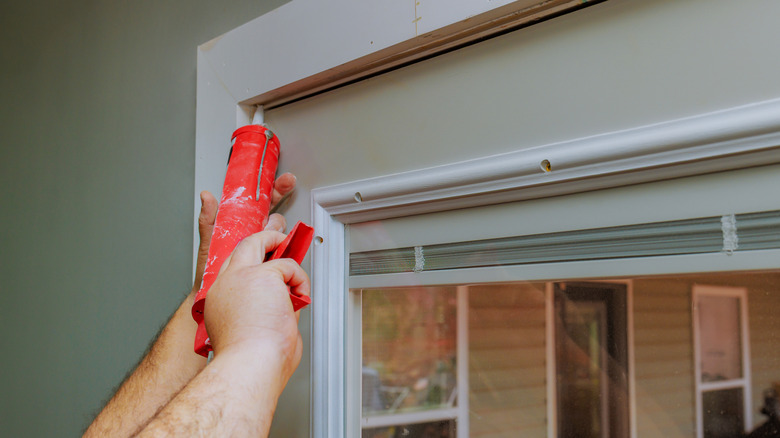
Winter winds also have a way of showing you exactly where the gaps and leaks are in your home, which is why sealing them can be so effective during this time of the year. Windows and doors are often prone to leaks and gaps that make them drafty (and force your heat to work harder). There could be gaps around the frames, poor weather stripping, or cracks in the material that cause heat loss in those areas. However, you might notice cold air around many areas, including electrical outlets, cable lines, and any other places where the exterior wall has openings.
Finding and sealing the gaps can also keep mice from making your home their winter retreat, as they can squeeze through tiny gaps in your foundation and walls as they scurry toward warmer temperatures in the winter. Around windows and doors, you may need to apply new caulk and weather stripping to block cold drafts. For exterior doors, installing a new door sweep can also help. Expansion foam can seal gaps around pipes, cables, and other things that enter through your exterior walls.
Install new flooring to handle wet winter weather
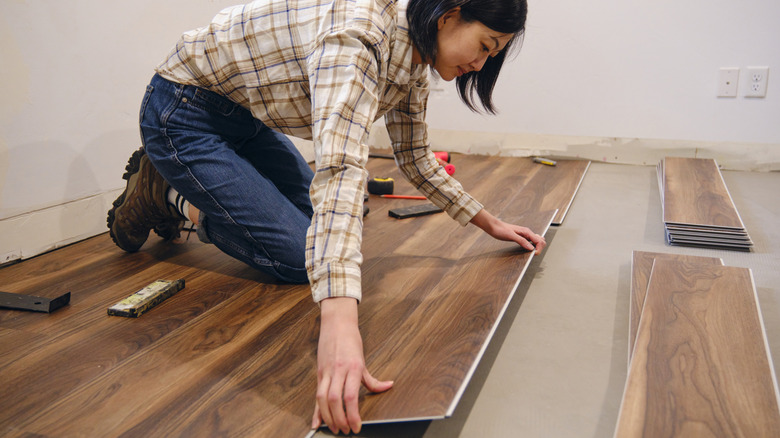
Flooring often takes a beating in the winter with muddy, wet, snowy boots making their mark. If your home has carpeting, moisture that soaks into the fibers can degrade the carpet and padding. Mud can also stain the carpet. Replacing old, outdated carpet with flooring that stands up to moisture could be a smart move for a winter renovation project. If you're considering wood flooring, the dry winter air can help — the newly installed floors will be less likely to swell or shift, and the dryness helps flooring finishes cure faster. The dry air also prevents the subfloor from absorbing moisture and trapping it in new flooring, which could prevent mold and mildew growth.
The best flooring options for your home depend on your style preferences and how you use different spaces. For areas near entryways where wet shoes are a factor, vinyl, porcelain tile, and concrete are all good options. Laminate and engineered hardwood can also hold up well. In areas that are less likely to get wet, new carpeting offers a warm flooring option that can add a bit of insulation to a cold floor. Consider alternative entrances when replacing flooring in common areas. If you typically enter through the front door into the living room, you may need to make plans to shovel a path around the house to access the back door easily during the installation.
Add radiant floor heating when the flooring is torn up
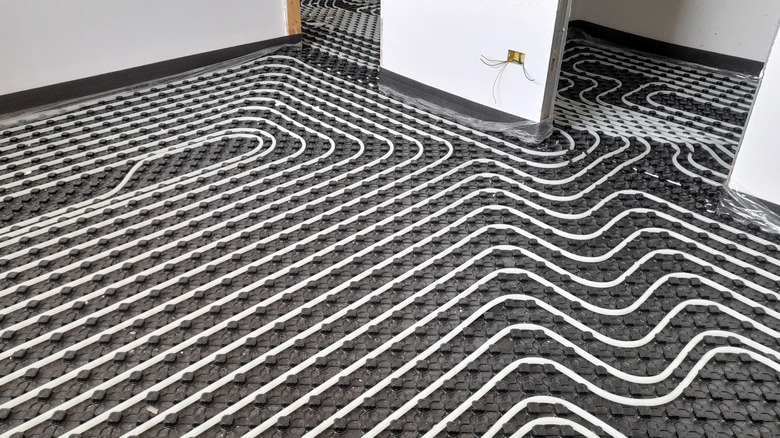
If you're already tearing up your existing flooring, consider adding radiant floor heating underneath before installing the new flooring material. The addition will help keep your home warmer for the rest of the winter. Radiant floor systems generate even, consistent heat with fewer cold spots, since the heat starts underfoot. It can even serve as the primary heating source of your home. Radiant heating systems are compatible with different types of flooring, but they work best with tile, natural stone, and concrete. Laminate and engineered hardwood can also work well and offer medium heat transfer efficiency, while carpet is less compatible.
The two main types of floor heating systems are electric (ideal for warming the floor of a small space) and hydronic (for larger spaces as a primary heating mechanism). Hydronic systems are often more cost-effective to operate than electric floor heating, but they typically cost more upfront to install. You can install heated floors yourself, but you may prefer professional installation since it can be a complicated job. Experienced installers understand the building codes, regulations, and best practices that result in a safely installed floor heating system.
Finish your basement to increase your usable space
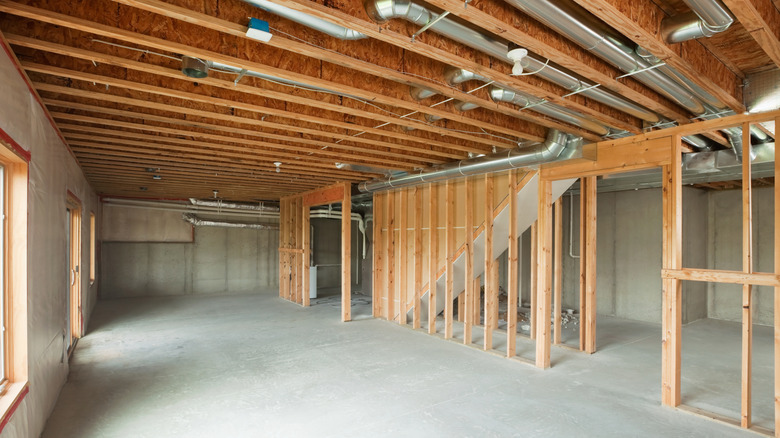
Checking out basement remodeling ideas could inspire you to start finishing that unused space this winter. This is a project where you can really benefit from increased availability and better bargaining power with contractors — it could help you get the basement finished faster to give you more enjoyment. Adding insulation is often part of the finishing process, so if your basement is currently cold, it should start feeling warmer soon. That can help the rest of your house feel cozier as well. Plus, when the job is complete, it gives your family more space to spread out while you're spending more time indoors during winter.
Keep in mind that finishing a basement from scratch can be a lengthy process – often between three and eight weeks. It's important to spend plenty of time on the planning and preparation stages, including tasks like fully vetting contractors, ensuring you have the correct permits, and checking for potential issues, like mold growth. While winter is typically drier than spring and summer, it's still necessary to control moisture levels while finishing the basement. Temperature can be an issue in some cases if your basement isn't heated.
Build built-ins for serious storage solutions
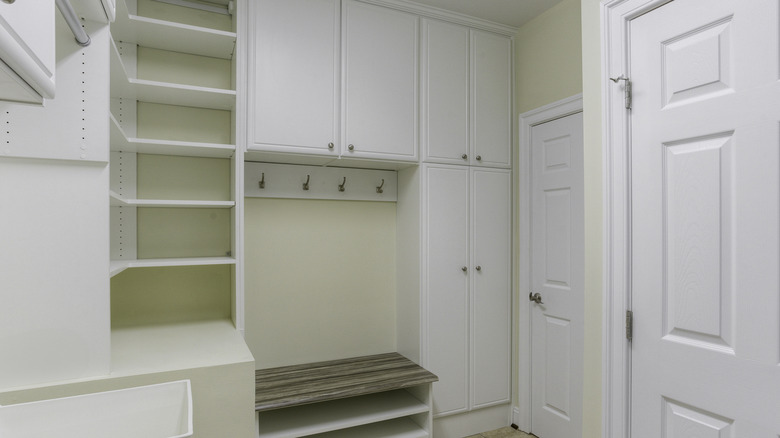
Spending more time at home in the winter may make you realize just how much stuff you own — and how much storage your home lacks. Plus, lots of the winter gear you keep out, like coats and boots, takes up more space than the warm-weather items. You might also have items like sleds, a snowblower, ice skates, and skis out for the winter that you normally keep in long-term storage. Adding built-in storage that fits your lifestyle can help keep things more organized and make better use of your space.
Having built-in cubbies, cabinets, shelves, and seating in your mudroom or entryway helps the whole family get their snow boots, coats, and snow pants on efficiently, and they give you space to hold extra outdoor gear. Recessed and hidden areas are also ideal for built-in storage. For example, open up the space under your stairs to add a closet, add built-in shelving on either side of your fireplace, or install bathroom shelves above a toilet that sits in a little alcove. When choosing your built-in options, consider where you need storage the most and which areas aren't used often that you could take over with storage.
Add new detailing to your walls for a refreshed look
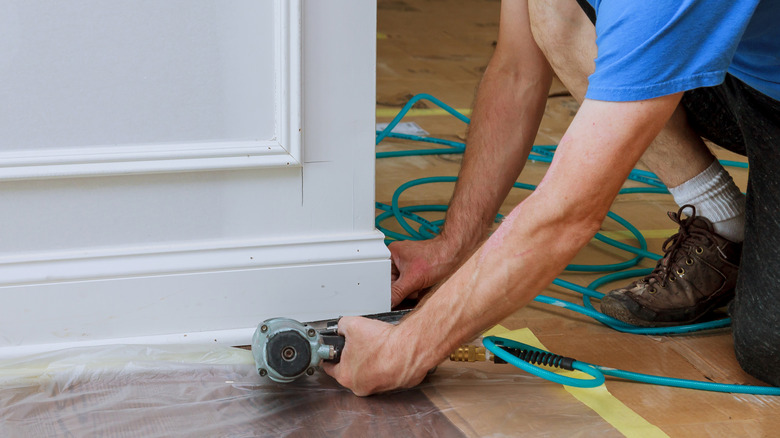
Long winter days often mean you're staring at the same boring walls. Why not use it as an opportunity to add character? Adding molding to your walls is one of several affordable renovation hacks to fake a high-end luxurious home on a budget. It's also a great way to show off your creativity. And the project doesn't create a lot of dust or fumes, other than a little sawdust if you have to cut the pieces and some paint or stain odors. Of course, you can also install wood panels on your walls, but the cost of the project can increase significantly when you're using more wood.
Trim comes in many different sizes, shapes, and styles, which allows you to customize the look. For a simple, classic upgrade, install crown molding around a room to add architectural detailing. Or, use trim to create the look of wainscoting by attaching thin strips of trim into squares or rectangles along the lower half of the wall. A chair rail above the rectangles and a taller, decorative baseboard trim complete the look. To create the look of wood paneling, place narrow strips of MDF vertically around the room. Or, get creative by attaching strips of wood or trim in various patterns or orientations to design a custom look.
Update your fireplace exterior
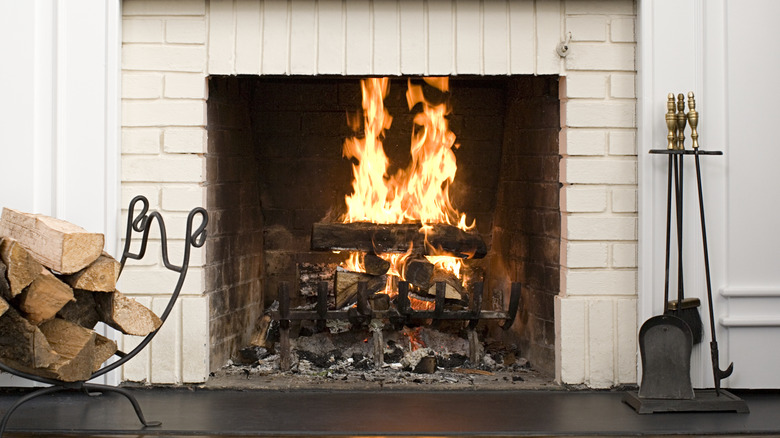
If you have a working fireplace, it'll be the star of the show when it comes to staying cozy during the winter. But if it doesn't look stage-worthy, start the winter with a fireplace upgrade. Even if the fireplace doesn't work, a cosmetic makeover turns it into a stunning room focal point. It's often a cost-effective project, but it can change the look of the entire room. There are many creative fireplace makeovers that will blow you away, from adding marble to installing a new mantel. And since the work is confined to the fireplace area, the project won't disrupt your day-to-day routine too much.
Start by thinking about which parts of the fireplace look outdated or lack style. Examples include outdated brick on the surround, no mantel, or a plain wall above the fireplace. Simple changes fix up those areas. For instance, you can paint the fireplace surround, add a treatment like German smear, or cover it with tile or other heat-safe materials. Prefabricated mantels offer an easy update, or you can build one from scratch. Just make sure you follow building codes — the minimum clearance between the mantel and opening is usually 6 inches. Above the fireplace, you can add wood paneling, trim, brick, or other decorative materials to cover up a bare wall. Adding a modern set of fireplace tools and a decorative log holder can also dress up the fireplace.
Paint your walls to refresh an entire room
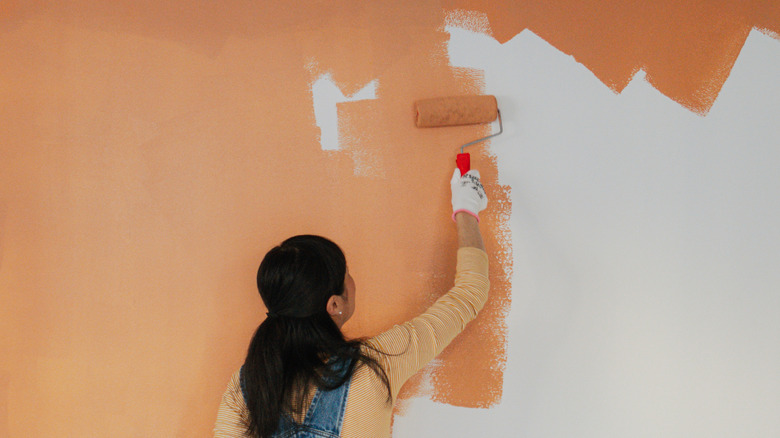
It's a common misconception that you need to wait to paint interior walls until the weather warms up. If that's what you believe, you might be surprised to find out that the lower humidity during winter helps with the drying and curing process. And since you have your furnace running, the indoor air maintains a consistent temperature. Ideal temperatures for standard paint range from 50 to 85 degrees Fahrenheit, so your winter thermostat setting sits comfortably in that range.
One challenge with painting during the winter is ventilation. Using low- or no-VOC paint cuts down on the fumes and off-gassing that happens when you paint walls. When painting a bathroom or kitchen, run the exhaust fan to draw out the odors. In other rooms, running ceiling fans or floor fans helps circulate the air and dissipate the fumes. Air purifiers that contain activated carbon filters may remove some of the VOCs from paint. If the weather is cold, you don't want to open your windows fully. Not only will it make your furnace run more often, but it could also affect the paint if the room gets too cold. You can open a window slightly for a short time if needed. Running a space heater in the room can combat heat loss.
Create a home gym

Outdoor exercise options become more limited in the winter, and they can become dangerous with the potential for black ice and freezing temperatures. The gym is always an option, but venturing out into the cold and snow can kill your motivation. If you've been tossing around the idea of building a home gym, winter could be the perfect time to do it. You can break a sweat without going out into the cold. Plus, setting up the gym is a bit of a workout itself.
You can create the perfect home gym in any type of space based on your exercise routines. Start by choosing a spot in your home that's large enough to accommodate the equipment you want. A true home gym typically requires more than a corner in your bedroom or a temporary setup in the living room — when possible, choose a separate area, such as a basement room, garage, or a dining room you don't use. Equipment will vary based on your budget and workout preferences. When it comes to flooring, foam, PVC, and rubber are popular options to create a durable, padded surface.
Upgrade your family room or den
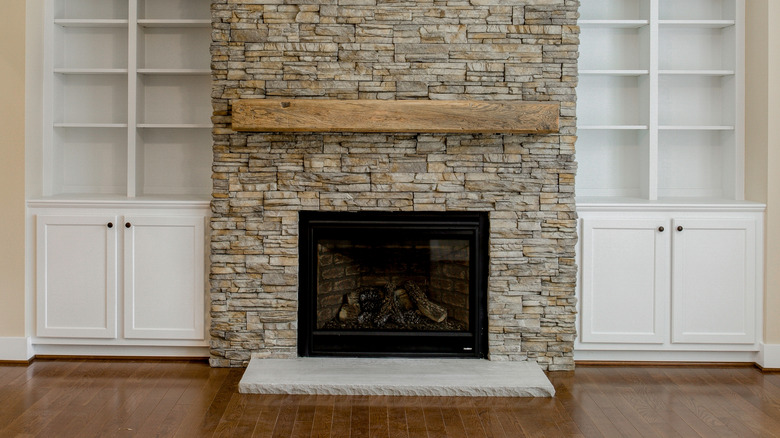
A family room or den is an ideal spot for you to gather as a family during the winter – it's usually more relaxed and informal than a formal living room. Whether you like to watch the big game on TV or battle each other in board games, the space is often flexible and comfy. If your family room isn't functioning as well as it could, do a quick renovation to make it more comfortable and useful for the types of activities your family enjoys.
Built-in storage or a full-wall built-in entertainment center creates an organized space where you can keep all of your board games, puzzles, electronics, and hobby supplies. It allows you to customize the storage and make use of the full wall, which is helpful in a smaller family room. Or, install a projector in the space with lower built-in cabinets to create a ledge underneath the screen. Installing plush, warm carpet is another inviting renovation — it makes the room feel warmer and creates a soft place to lounge while playing or watching movies. Carpet also provides sound absorption, which can be helpful in a room that can get rowdy.
Upgrade your home closets
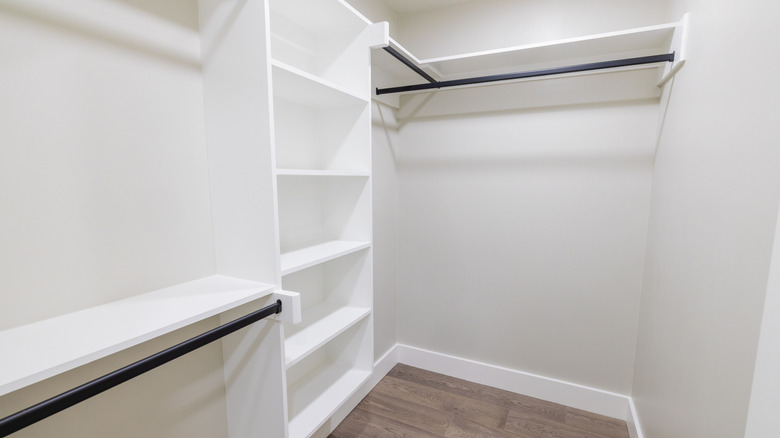
The beginning of winter often means swapping out your wardrobe for cozier sweaters and vests. And while you're rearranging your clothes, you might start to declutter and donate the items that no longer fit or aren't your style. While you're at it, why not renovate your closet storage system to improve organization and storage capacity? Doing these projects together makes sense. You have to empty your closet to install customized storage solutions, so it's also the ideal time to downsize your wardrobe.
If you have a decent amount of closet space (or there's no way to expand), consider a custom closet solution with shelves, drawers, and specialty storage to fit the space. There are also many stunning ways to upgrade plain closet doors with wallpaper, mirrors, hardware, and more, if you want the outside to look updated as well. To increase your closet space, consider framing out a wardrobe or closet in the bedroom. If you want a major upgrade, you could turn an adjoining bedroom into a massive walk-in closet. Consider how this option could affect the home's value, though. While it could appeal to some buyers and increase the value, it could also hurt to lose a bedroom, especially in a smaller home.