

Always Keep Your Eggshells, Here Are The 10 Plants That Love Them
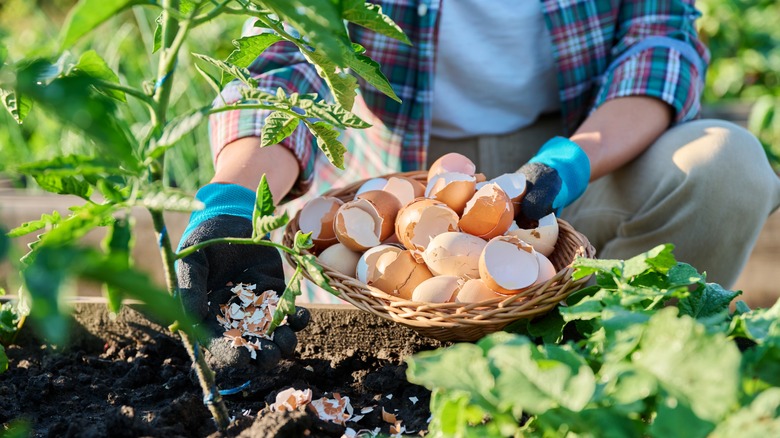
Eggs are kitchen gold — fast protein, simple breakfasts, and a staple in homes everywhere. But the problem is that no one really knows what to do with their shells. Most folks just toss them out without a second thought. If you know how many of your garden favorites could benefit from eggshells, though, you will never want to throw them out again. Peppers, tomatoes, lettuce, and cabbage are just a few of many plants that respond well to the use of eggshells in the garden.
That is because eggshells contain insane amounts of calcium. And calcium isn't just a "nice-to-have" nutrient for plants. It is essential and plays a vital role in root development and plant health. The best part? Eggshells decompose gradually and release calcium slowly over a long time when added to the ground. This is way better than those quick-release synthetic fertilizer formulas that can burn and even kill the plants.
Just keep in mind that eggshells shouldn't be used as a general-purpose fertilizer. Yes, they do contain high amounts of calcium, but they don't have enough quantities of other vital nutrients like nitrogen, phosphorus, and potassium that plants also need.
Peppers
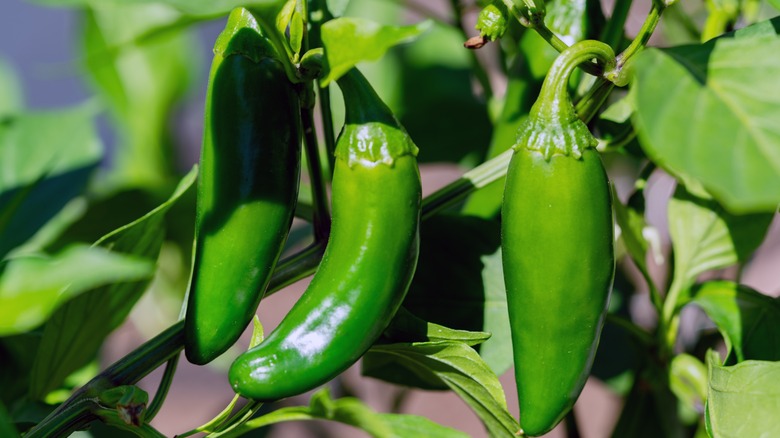
Many people plant peppers in their gardens because they are easy to grow and drought-tolerant. But while peppers can do without water for a while, if they don't get calcium, they could end up with blossom-end rot. It is a disease that begins as a pale, sunken spot on the fruit, but quickly enlarges and ruins the whole thing. So, if you have some eggshells lying around, add them to the soil around your pepper plants. They will fertilize the soil and also help keep snails and slugs away, which can be a problem sometimes for pepper plants.
Tomatoes
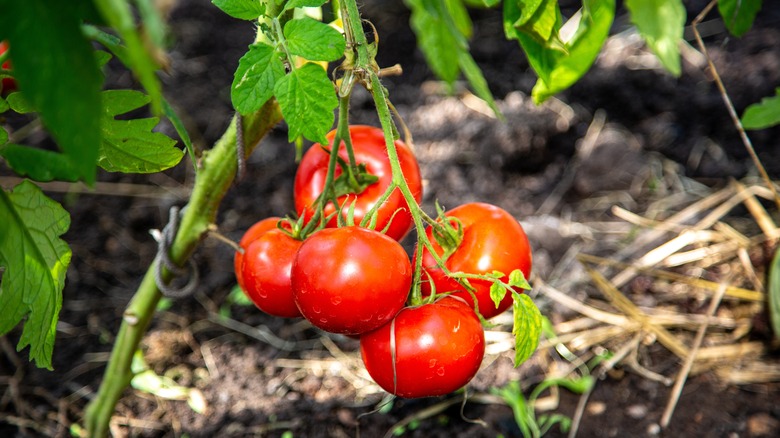
Just like peppers, tomatoes are also prone to blossom-end rot if they do not get enough calcium. Calcium plays a vital role in maintaining quality and promoting fruit ripening in tomatoes. They need considerable amounts of calcium, especially during flowering and fruit production. If they don't get enough, their yields could decrease, and they will also produce smaller-than-normal leaves with necrotic (dead) tissue. So, next time you plant your tomatoes, throw a few eggshells in the soil as well. It's better to do it in the beginning, as eggshells are slow to decompose and release nutrients.
Lettuce
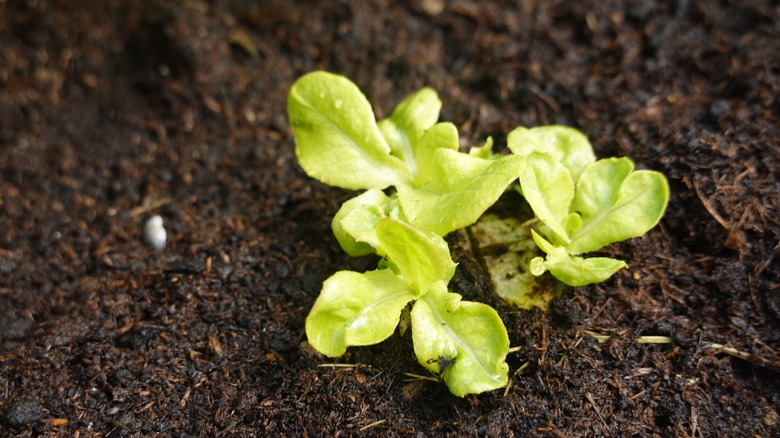
Lettuce is a perfect vegetable for beginner gardeners as it grows fast and doesn't need much fertilizer. However, if it does not get enough calcium, it could develop tipburn. The condition manifests itself as decaying edges in lettuce leaves. Rapidly growing leaves can even die from it, and when they finally break off, the exposed sites become entry points for pathogens. But don't worry. If you have a few eggshells to spare, it is an easy fix. Just crush them first, so they release calcium quickly. Lettuce grows quickly, and it won't be able to wait for the shells to break down.
Cabbage
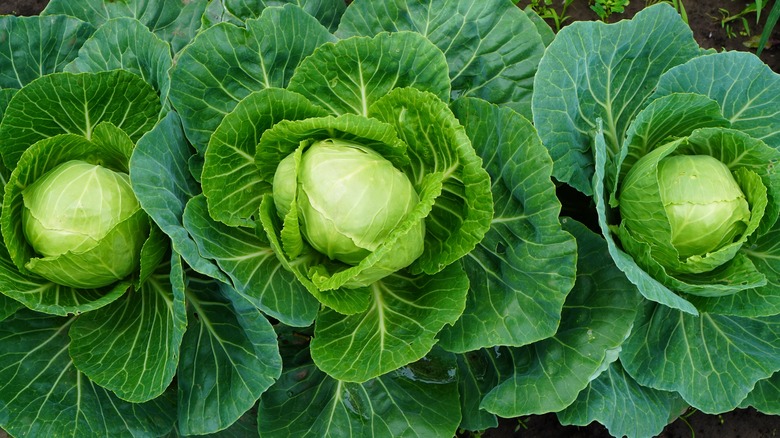
Cabbage stands out as the most popular and easy-to-grow member of the cole crop family. However, just like lettuce, it is also prone to tipburn if it does not get sufficient calcium. And the worst part is that this happens on the inner leaves, and you might not even see the problem until it is too late. So, don't throw your eggshells out — use them to fertilize your cabbage. They can help prevent tip burn in cabbage and also aerate the soil. If you know anything about cabbage, it prefers fertile and well-aerated soil.
Hydrangeas
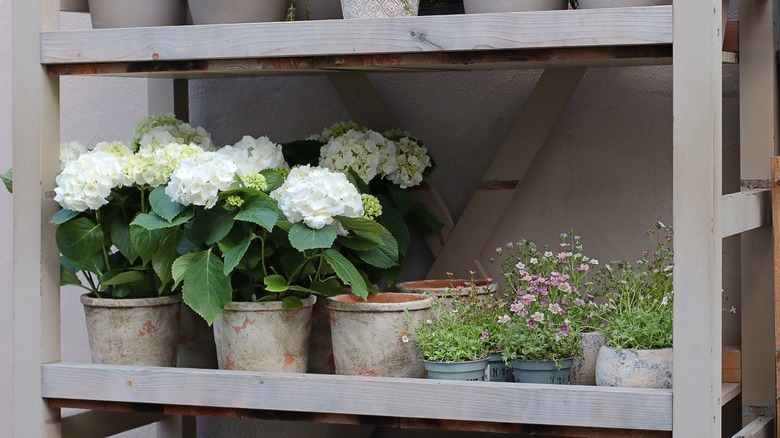
It is not just veggies that can use the calcium boost eggshells provide. Flowering plants like hydrangeas can benefit from it, too. When hydrangeas don't get enough calcium, their leaves curl inward, forming a cup shape, which can ruin their ornamental appeal. If you don't fix it in time, the new leaves can develop necrosis and become deformed. So, take some eggshells, boil them in water, let the solution sit somewhere safe overnight, and then use it to feed your hydrangeas once a week to give them a calcium boost.
Roses
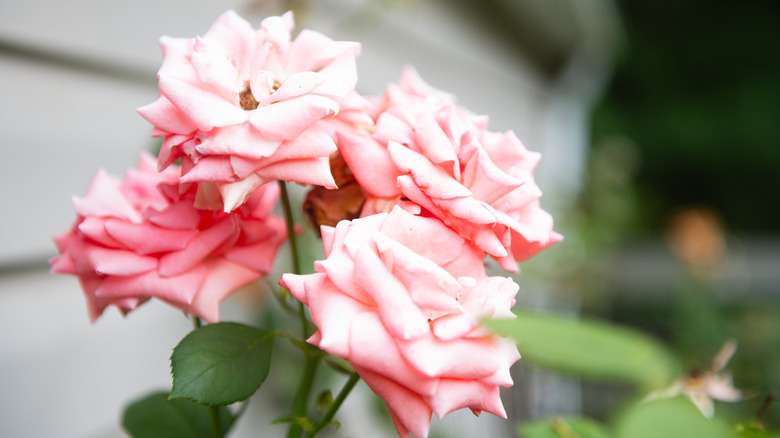
Just like hydrangeas, roses also need calcium. A lack of calcium causes a severe slowdown in growth, root death, and a halt in the development of buds in roses. As a result, no new shoots or leaves will grow. Once again, though, eggshells can help rescue your beloved rose plants. Just make sure that the soil is actually lacking calcium by performing a soil test with one of those home-based soil testing kits. Sometimes, an imbalance of pH can limit a plant's ability to absorb calcium and cause problems.
Apples
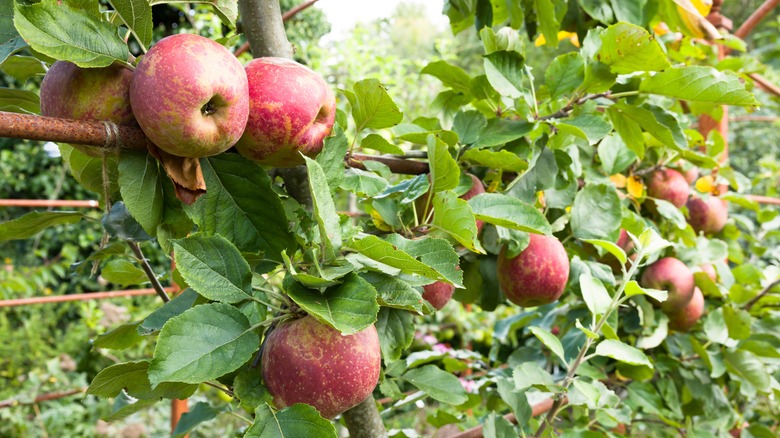
We all know the saying, "An apple a day keeps the doctor away," but without calcium, even if you have an apple, it won't keep the doctor away and might still need a visit. That's because in apples, calcium deficiency leads to bitter pit. The fruits develop several dark spots, which make them unpalatable. The worst part? It can happen even after harvest. One simple solution is to recycle those eggshells, and the best way to do so is to add them to compost. Just make sure to crush them beforehand so they break down more easily.
Cherry
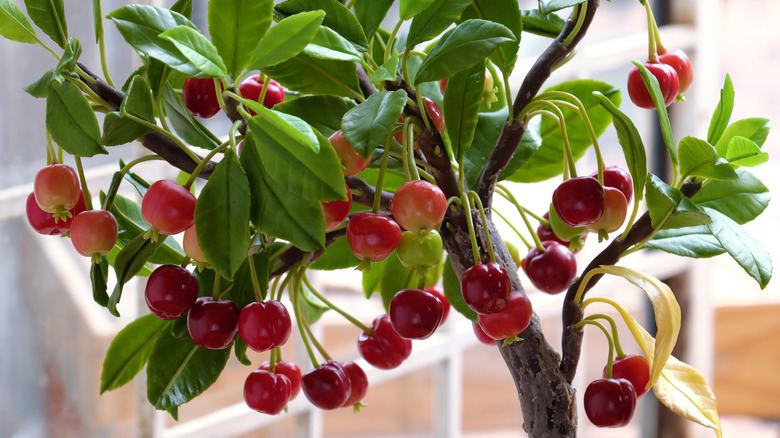
Cherry is another fruit that can benefit from a little extra calcium, and eggshells can help provide it. If cherry plants don't get enough calcium, their fruits could develop cracks, and their flesh may become less firm, reducing their palatability. Just confirm that the soil is actually lacking calcium, and then make a calcium booster solution to feed your cherry trees by boiling some eggshells in the water. And if you still have some extra eggshells lying around, you can use them as a mulch around your cherry plants to help keep snails and slugs away.
Legumes
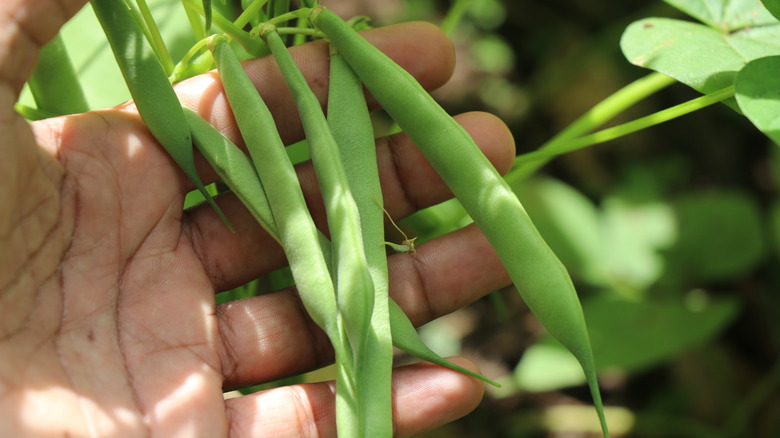
Legumes like green beans, peanuts, and soybeans also benefit from the addition of eggshells to boost calcium levels in the soil. That's because legumes need calcium for healthy root growth and for supporting the symbiotic bacteria in their roots, which help them use nitrogen to make proteins. If these plants don't get calcium, it can lead to problems like root death, empty pods, and wilting of the stems. So, if you are growing any of the leguminous plants in your home, make sure to give them a calcium boost by incorporating crushed eggshells in the soil.
Potatoes
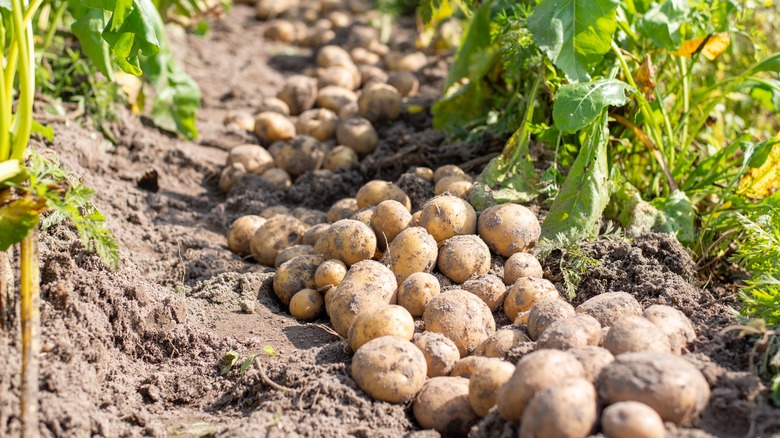
Using the wrong soil amendment is one of the common mistakes that can limit your potato harvest. Many people often keep feeding their potatoes a bunch of random things that they don't need when all they really want is a calcium boost. If they don't get it, it can cause issues. They could become prone to bruising, hollow tubers, internal browning, and internal rust spots, thereby reducing their palatability. So, before you add any soil amendment to your homegrown potatoes, make sure to do a soil test. If it shows a calcium deficiency, help them out with some eggshells.