

How To Propagate Pitcher Plants & Expand Your Carnivorous Garden
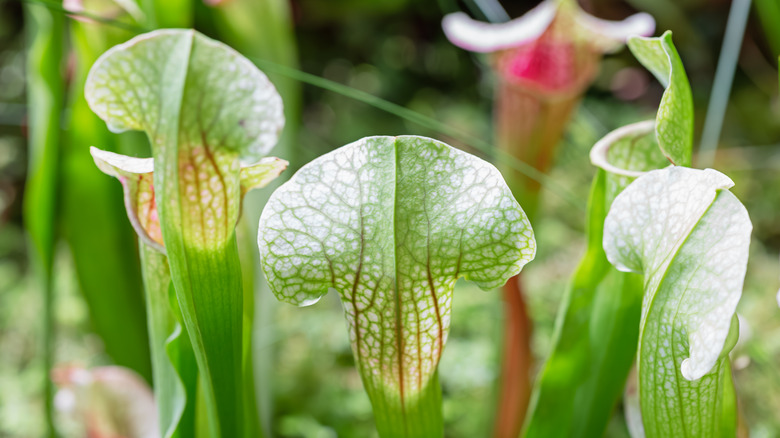
There is something so intriguing about carnivorous plants, and having them in your home or garden is certainly a talking point (and a unique way to get rid of flies that annoy you). One popular carnivorous plant is the pitcher plant (Sarracenia). Native to North America, the pitcher plant is usually found alongside bogs and swamps, waiting patiently until a fly pays it a visit. And then, once the fly arrives to feed on its nectar, the pitcher plant traps and digests it. Very cool! If you have a pitcher plant in your home and want to create new, hungry plant babies, you can propagate it.
There are a few different ways to propagate plants, and pitcher plants do best when propagated through rhizome or root division. Not only does division allow you to create new plants, but it is actually good for their overall health. When pitcher plants grow, they may become overcrowded, which can affect the airflow and introduce disease. By dividing your plant every three years, you are able to keep it healthy and happy while also creating new greenery for your garden or home.
How to divide pitcher plants
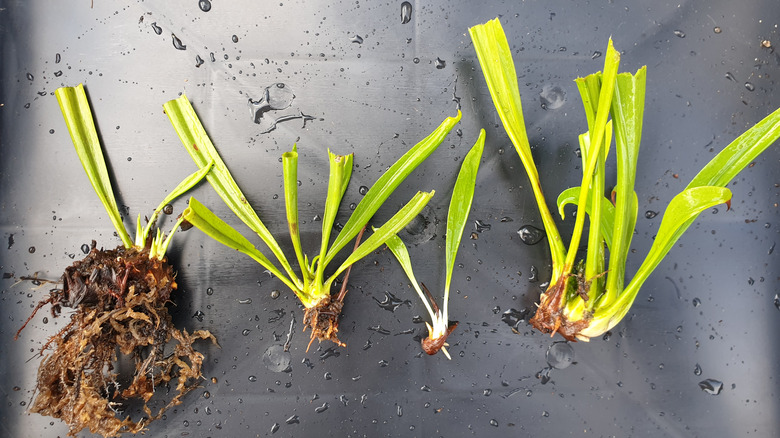
Propagation of these amazing carnivorous plants should usually be done in winter or early spring. If your pitcher plant is in a garden bed, carefully dig it up with a fork or spade and pull it out of the ground. For container plants, remove the whole plant, including the soil, from the pot by turning it upside down and gently tugging the leaves. Then, wash the rhizomes with water to get rid of the soil and place the clean rhizomes in front of you. Inspect them for damage, disease, or decay, throwing away any that are not healthy.
Take your time to tease the rhizomes with your hands and see if any fall apart. If there are areas where the rhizomes are weak, you can snap them to separate them. If your pitcher plant is densely packed together, you may need to use a sharp knife. You want to get rhizomes of around 2 to 3 inches in length. When you have them, peel off any old leaves and remove flowering buds, which will allow your new plants focus on root and leaf growth. Then, soak your new rhizomes in vitamin B1 solution or Superthrive, as this will help reduce transplant shock when repotting plants. Once that is done, plant your new divisions in your garden or new pots by placing the rhizomes horizontally with the roots facing down.