

13 '80s Floor Trends Boomers Loved Back In The Day (& Which Should Make A Comeback)
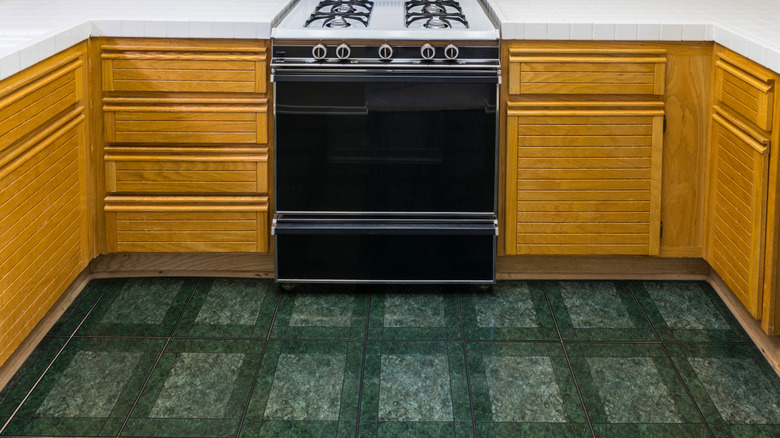
The '80s are officially back in the world of interior design, but there are some trends that should stay in the past. Boomers were in charge of the top trends from this decade, some of which are remembered more fondly than others. If you're searching for a unique flooring option for your space, you might be able to find some unexpected inspiration in these iconic flooring patterns and materials.
Flooring can be tricky because visuals aren't the only consideration. Although an attractive floor is important, the material also has to be able to withstand significant wear and tear. Some flooring excels aesthetically, while other materials are more durable. The key is to find a stylish, trendy floor option that tops the charts in both categories. Certain flooring styles should undoubtedly remain retro, but a handful of '80s decor trends are making a major comeback. The boomer generation popularized more than a few memorable ideas you should explore.
Faux tile vinyl sheets were praised for their simplicity
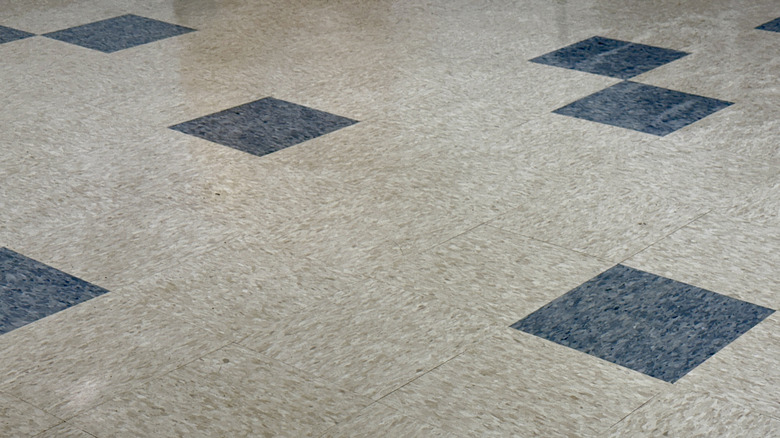
Due, in part, to the rise of dual-income households in the 1980s, boomers began installing low-maintenance flooring to cut down on cleaning time. Instead of tiled floors with pesky grout lines or linoleum that required regular waxing, vinyl sheets were more streamlined and easier to maintain. Plus, faux tile vinyl sheets could capture the look of tile without the expense or necessary upkeep.
When it comes to aesthetics, vinyl sheet flooring doesn't look exactly like real tile. The plastic appearance can be evident, especially in uneven areas where it may bubble or warp. You have to ensure you have a perfectly flat subfloor, and even a grain of dirt can cause the floor to get worn down. Although it is easy to clean, it's not as easy to fix damage. A scrape can result in the entire floor needing to be replaced, if the damage can't be isolated. As a stylish alternative to vinyl sheet flooring, you can opt for modern luxury vinyl tiles. Not only are they easier to replace, but they look much more realistic.
Dusty rose and mauve carpet was the pastel color of choice
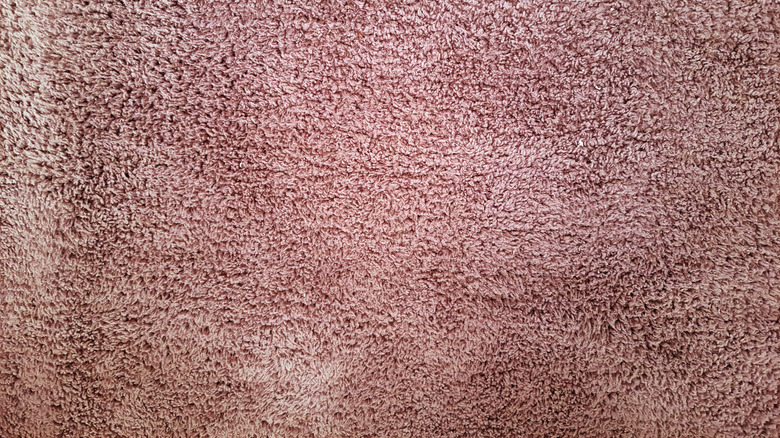
Carpeted floors were still sticking around from the '70s, but the color palette shifted from rich and earthy to muted and pastel. Dusty rose is still synonymous with the '80s due to its extreme prominence throughout the decade. Mauve and soft pink carpets were extremely popular and still conjure up imagery of the 1980s.
While carpet itself is making a steady comeback, the pinkish mauve tone is staying far away. There are so many reasons why you should avoid light pink carpet besides the '80s connotation. First and foremost, the upkeep of pale, colored carpet can be a nightmare in high-trafficked areas. The higher pile styles of '80s carpets can also be a magnet for allergens and dust mites. If you want to curate a low-maintenance, modern home, dusty rose is one of the carpet colors you should avoid, according to design experts. The children of the boomer generation are still shuddering at their parents' plush pink carpet.
Carpet tiles were loved for their geometric appearance

Geometric decor was huge in the 1980s, and carpet tiles were a reflection of this trend. Carpet tiles were used in many commercial spaces for their affordability and ease of installation, but they also made their way into boomers' homes. They can be installed to create the look of a continuous carpet, or with contrasting panels to create garish shapes and patterns. You might recognize this bold and budget-friendly flooring from the old indoor roller-skating rink.
While the checkerboard pattern may be coming back in style, the preference is real stone, porcelain, or ceramic tiles. Marble checkerboard tiles are another top trend, a far cry from '80s carpet tiles. Carpet tiles can look commercial or downright tacky depending on the pattern. If you want to keep your home looking chic and contemporary, this is one trend that should stay in the past. Although you might not want to use carpet tiles in your living space, there are some advantages to using carpet tiles in the basement.
Beige Berber carpeting was favored from wall-to-wall
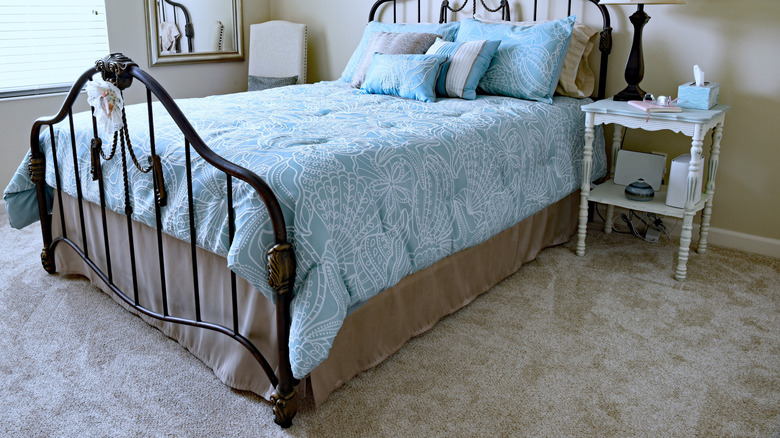
Although the '80s moved away from shag carpeting, Berber was a popular alternative. The looped fibers were different than the cut fibers of previous eras, giving the carpet a "knobby" effect. One of the most popular shades was a multi-tonal beige, a favorite among boomers (and according to social media — millennials). The flecked effect of Berber carpet can also date a modern space.
In addition to the 1980s look, you may want to avoid Berber carpet for several reasons. Because it is a loop pile style, it will not feel as soft underfoot as more plush alternatives. It can also get scratched or pulled easily if you install it in a high-traffic room or area with pets. Since the loops are exposed, snagging is a real concern. Flatwoven rugs are a modern alternative that looks streamlined and is easier to keep clean. This nuLOOM Elfriede Jute & Cotton Hand Woven Area Rug is a contemporary alternative that can be swapped out as styles change.
A super glossy, high-shine finish was applied to hardwood floors
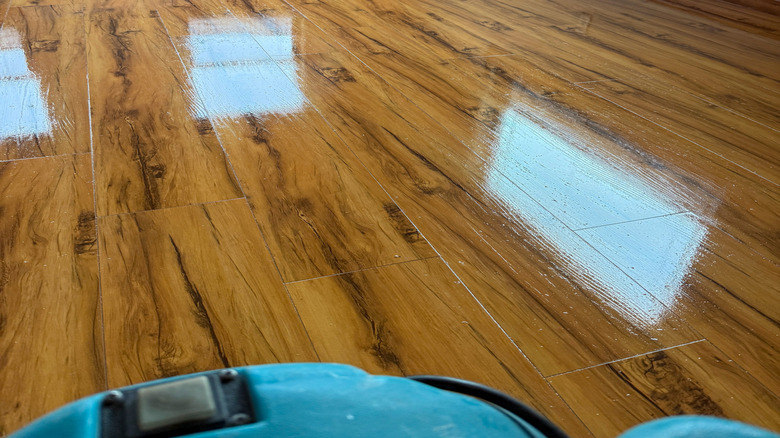
Super shiny, high-gloss hardwood floors were popular for their luxurious, mirror-like look. From the '70s to the '90s, boomers decided the shinier, the better. However, this extreme reflectivity highlights scratches, dents, and dust. Plus, the slick surface can be dangerously slippery when wet. Today, matte or satin finishes are preferred, offering subtle sheen, durability, and a more forgiving look.
Beyond the imperfect surface and slipping hazard, high-sheen wood flooring also needs regular refinishing to maintain a clean look. If you are lucky enough to have a space with a lot of light, the reflectiveness can actually backfire and create uncomfortable glare. If you're looking for a hardwood flooring finish that hides scratches and imperfections for years, something with a more muted shine is preferable. Plus, natural colors and textures are much more popular, with top designers embracing a more understated, organic look.
Fully carpeted bathrooms should never have a resurgence
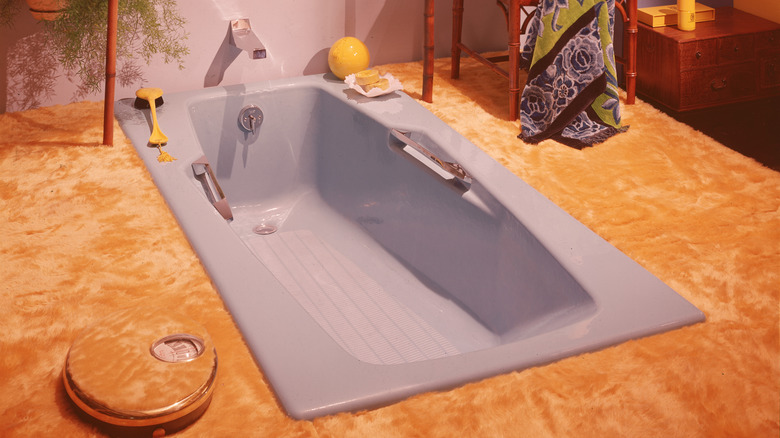
Aside from the different colors and textures of '80s carpets, the mid-century trend of carpeted bathrooms was still alive and well. The boomers weren't quite ready to give up on this now-controversial trend. Countless '80s bathrooms were covered in plush carpet, a decor choice that should never have had a place in modern homes. If you design a carpeted bathroom today, not only will the look date your space, but this technique comes with real risks beyond just aesthetics.
Choosing this type of flooring for your powder room may be a big mistake. Even though some designers are warming back up to the appearance of a cozy, kitschy bathroom, the risk of mold in a carpet-clad powder room is undeniable. Because carpet can absorb moisture, it may become a breeding ground for mold spores because of trapped water. Beyond the health risk, the trapped moisture can also damage the subfloor. This can result in pricey renovations in the future.
Finger-block parquet tiles are a unique hardwood option to consider
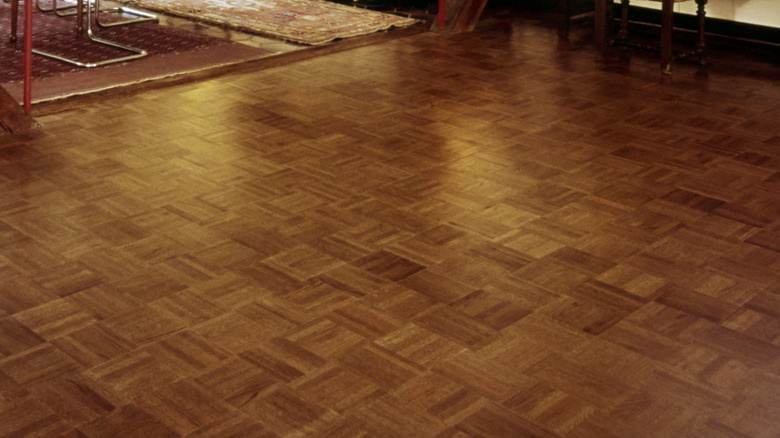
Although finger-block parquet wood tiles were present in the mid-century, they took off in the 1980s. This unique flooring option combined the growing love of real hardwood with the popular geometric trend. Also known as five-finger mosaics, these wood tiles display wood squares with rectangular stripes that are laid in opposite directions. The finished look is nostalgic yet totally timeless. This is the first boomer-approved trend that we think is primed to make a real comeback.
From herringbone to chevron, vintage hardwood patterns have been trending recently. However, as these patterns get more popular, you might want to try a more unique approach. If you love classic hardwood floors but you want to go against the grain, finger-block parquet tiles could be the perfect solution. If you want to give the '80s look a modern twist, follow our earlier advice regarding organic stains and more muted finishes. Instead of high-shine, warm-toned parquet tiles, go with a more natural, cool-toned variation.
Graphic, geometric rug patterns are an '80s hallmark that ties in with today's trends
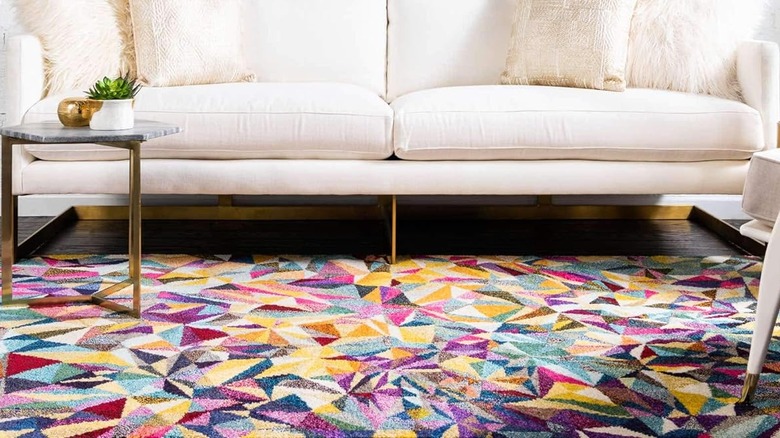
For another flooring trend that should make a quick comeback, boomer-approved patterned area rugs are affordable, simple, and striking. Geometric patterns are currently trending, and a rug is a renter-friendly way to change up your flooring. If you're stuck with gray laminate or other desaturated, landlord-approved flooring, a vibrant area rug is the perfect solution to cover your floors without permanently altering your space.
Before you select your geometric rug, familiarize yourself with the ultimate guide to postmodern decor. Originally popularized in the '70s, postmodern design was still a huge decor trend throughout the 1980s. The style typically incorporates bold colors and playful shapes, leaning into futuristic whimsy. While a neon, Memphis-style area rug might overwhelm a contemporary space, this Homefine Washable Modern Area Rug combines a subdued color palette with an eye-catching pattern. Be careful not to fall into the trap of '60s and early '70s-style retro rug patterns, as boho-meets-mid-century style is already overdone.
Pink square tiles are a playful and lighthearted '80s favorite
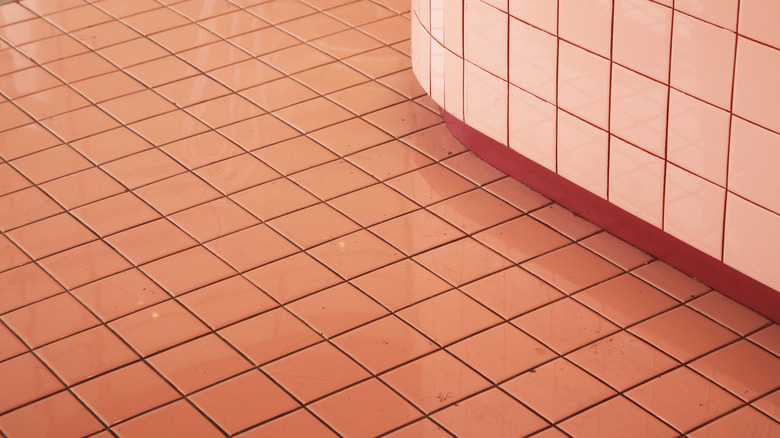
With the rise of whimsical decor and playful finishes, consider stealing inspiration from '80s tile trends. Pink square tiles were everywhere in the '80s, and they are the perfect way to give your bathroom floor an eye-catching look that won't overpower your space. The beauty of '80s pastel tile is that it won't compete with your existing bathroom decor. Although pink carpet might be definitively out of style, pink tiles are perfect for a space that can otherwise read "colorless" and "sterile."
The trend of square-shaped tile backsplashes is already on the horizon, but square tile flooring is still a well-kept secret. Large-format square tiles have been taking over bathrooms, but there are several benefits to smaller, retro-inspired formats. Small, square tiles are ideal for irregular spaces, and they create a safer nonslip surface. When it comes to the color, you can choose a solid, opaque pink shade or a handmade tile with more visual variation. Other options include a pink checkerboard pattern or a multi-tonal pink mosaic.
The practicality of '80s cork flooring shouldn't be underestimated
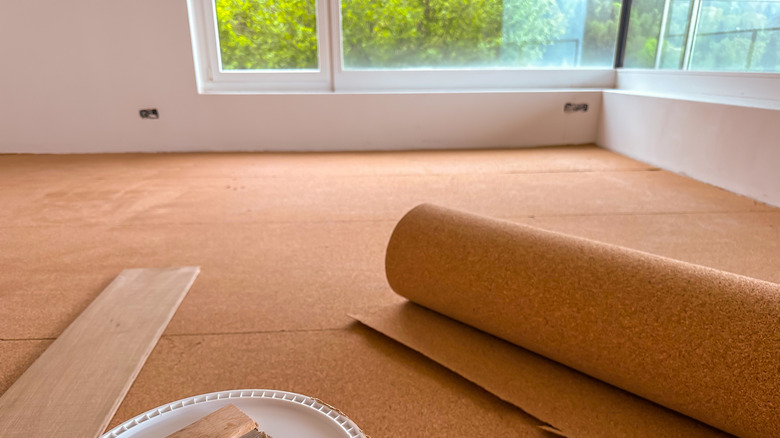
One unique material that was prominent in '80s flooring trends was cork. It might not be one of the most popular choices for kitchen flooring, but it should be! Not only does it absorb sound, but it is also eco-friendly and mold-resistant. Although it can get scratched if you have pets or young children, it is worth considering for its unique style and eco-friendly nature.
Before you get scared away by the disadvantages of cork flooring, keep in mind that modern cork flooring has advanced since the 1980s. For example, the wear resistance can be enhanced by purchasing cork flooring with a hardwearing finish on top. Alternatively, you can coat your cork floors with a reliable sealant. For example, the LOBA WS Easy Finish is intended for hardwood, but can be applied to cork to create a more durable surface. A natural wax finish may result in a softer surface that is more susceptible to damage.
Custom geometric terrazzo floors are a funky twist on trendy terrazzo
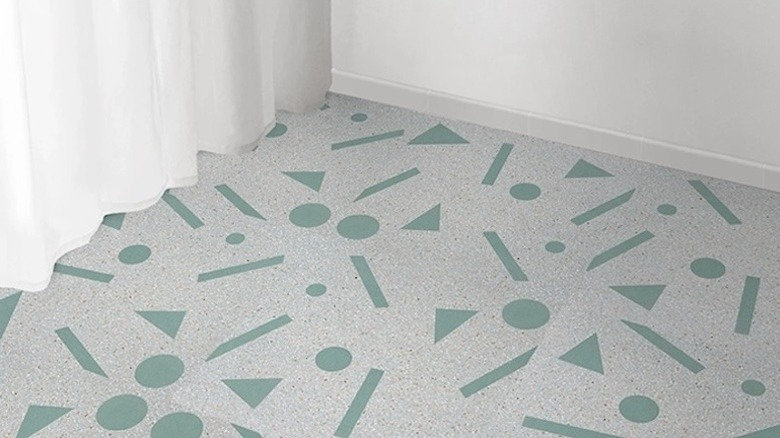
Terrazzo has been trending for a while, but the bold, Miami-inspired '80s terrazzo with geometric inlays has yet to come back — but it should! This style features cut-outs and contrasting stone or aggregate arranged in deliberate geometric patterns, like diamonds, stripes, or abstract shapes. Boomers were all over this show-stopping look, and it has real potential to become a major modern trend.
The natural progression of a trend begins with something more palatable and moves towards a more daring approach. You can leave the neutral, gray and beige speckled designs in the past, and introduce a type of terrazzo with much more personality. Consider working with a flooring factory to create a one-of-a-kind terrazzo design. Companies can cut marble or colored stone into any shape you desire and insert them into larger slabs. '80s-inspired color schemes include a peach backdrop with rust red shapes, or a monochromatic style with pale blue and teal. The pattern possibilities are truly endless.
Add a touch of 1980s intricate patterned, ornate tile flooring
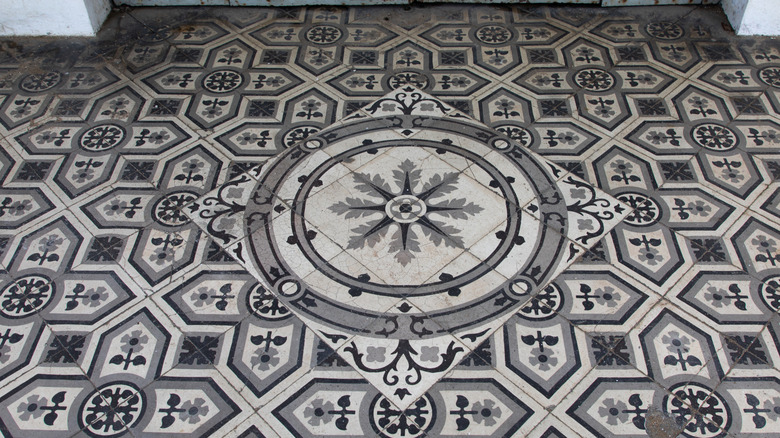
In the 1980s, tile patterns ranged from intricate geometric tessellations and bold Moroccan-inspired motifs to ornate medallions. Global influence had a hand in making this trend ultra-popular among boomers. While intricate tiles contributed to the era's eclectic aesthetic, there are several ways you can explore this trend in a current home. These tiles often featured high-contrast color palettes, making the floors the statement piece of the room. In fact, there is a huge shift towards floors becoming the primary focal point.
Small spaces like entryways, powder rooms, or half bathrooms are ideal for these bold patterns, allowing you to showcase the ornate designs without dominating larger living areas. This is also an excellent way to try out a daring trend with less commitment. You can implement this trend with real ceramic tiles or peel-and-stick vinyl tiles to try out the look. These Nuxovilar Peel and Stick Vinyl Floor Tiles have an '80s-style pattern and color palette that can still be incorporated into a modern home.
Brick-style vinyl flooring can be more timelessly recreated with brick tiles
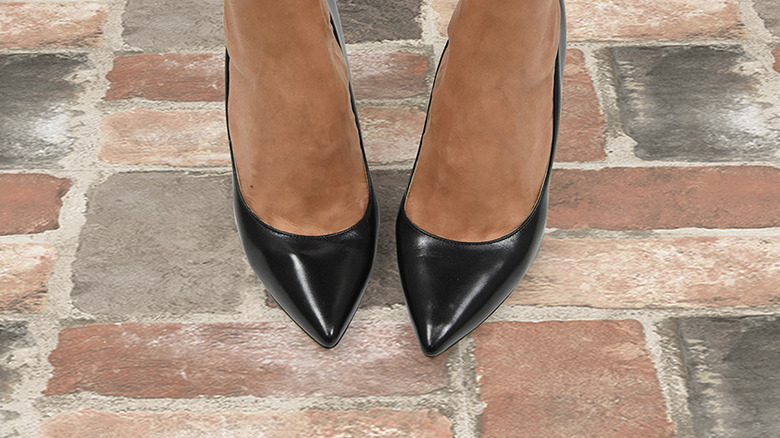
The fake brick vinyl flooring from the 1980s uses small rectangular and square brick shapes in mixed reds, browns, and golds to create a tight patchwork pattern with subtle color variation. The design relies on small-scale repetition, with many pieces packed closely together to form a consistent, grid-like surface. The mix of warm colors adds visual interest without a strong contrast, which helps the pattern work in a variety of rooms.
Although vinyl can look outdated, you can still achieve the same warm rustic style with earthy-toned brick tiles laid in similar patterns. Installing small bricks in patterns such as running bond or basketweave maintains the patchwork feel. Choosing a medium-toned, brown grout color will make the floor look earthy and '80s-approved. If you want to try your hand at installing the floor yourself, this is how to DIY a brick floor in your home.