

12 Bathroom Items You Should Be Replacing A Lot More Than You Think

To maintain a healthy and tidy bathroom, most people need to clean theirs at least once a week, including toilets, bathtubs, showers, and sinks. Aside from regular cleanings to keep high-touch surfaces free of germs, mold, and mildew, you may even need to replace certain items at key intervals. Some of these everyday items include personal care tools like toothbrushes and loofahs, as well as fixtures and fittings such as showerheads and toilet seats.
There are three main reasons why an item in your bathroom might warrant a replacement. First, it might become dirty, moldy, or contaminated with germs, posing a health risk. Some bathroom items may lose their overall functionality due to age, high use, or hard water buildup. Another issue is safety, especially when considering hazards such as frayed mats or cracked fittings. Keep these caveats in mind as you read through some of the most common bathroom items that are often used way past their prime. Not all cases will apply if you have an item that is still clean, safe, and functional, but some larger households might need to buy certain items more frequently.
Regularly replace bath towels to keep them functional
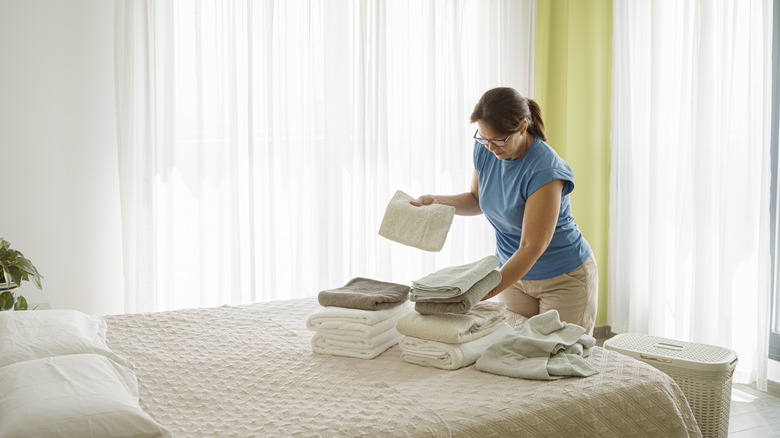
You might already be diligent about cleaning and replacing bacteria-laden kitchen towels, but it's important that your bathroom towels get this kind of attention as well. Aside from washing your towels at least once a week to keep germs at bay, you might want to completely replace them about every two years. Following this guideline helps to ensure you have clean and absorbent towels at your disposal every time you bathe or wash your hands.
Know that the two-year bath towel replacement rule is merely a suggestion for the average home. Some brands may last longer, especially in lower usage households. Consider replacing bath towels if your notice they're thinner, not able to absorb water after use, or if they're stained and odorous. If you're struggling with the decision to part with your own set, check out other key signs it's time to replace your bath towels. Before tossing them into the trash, check with your city or county to see if they're recyclable. You can also repurpose old towels into other household items like cleaning rags as a more eco-friendly approach.
Bathmats can become hazardous without timely replacement
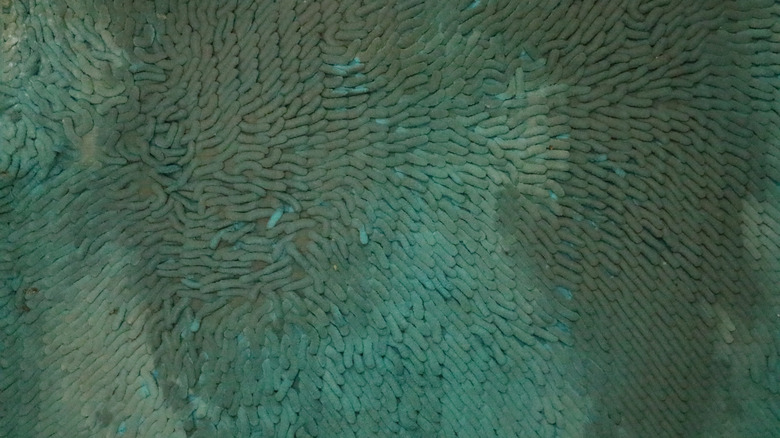
Like bath towels, bathmats require weekly washes to keep them clean and free of fungi. As they get grungy over several months, it might also be best to replace them within a couple of years. It's important to note that bathmats can turn into safety hazards if they're not replaced at the right time.
Take a look at your own bathmats: are they fraying around the edges, and have they lost their shape? Do they no longer stick to the floor when you step on them? If the answer is yes to any of these questions, it's time to upgrade your bathmat. A slippery bathmat that has lost the adhesion on its rubber backing can quickly become unsafe. Aesthetically speaking, you might also want to replace your mat sooner than the average 2-year mark if the bathmat is losing its color or has unsightly stains. Also, since bathmats can be difficult to keep dry on the floor, consider hanging them up post-bath. Another option is to rotate between bathmats so there will always be a dry one available, especially if there are multiple members of your household sharing a bathroom. Rotating two or more bathmats could also extend their lifespan.
Replace shower curtains at the first signs of gunk
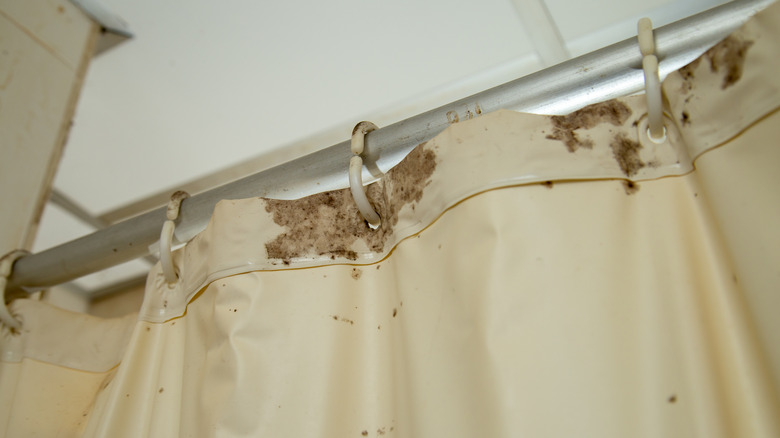
Shower curtains—especially liners—are notorious for accumulating visible signs of mold and mildew. Once you start seeing those icky dark spots, they will spread quickly and turn into a larger issue. What's worse, these items can also harbor potentially harmful germs you can't see. Your shower curtain could be a potential health hazard without knowing it, especially for more vulnerable members of your household living with autoimmune diseases or chronic illnesses, such as asthma.
Regular shower curtain replacements can help keep the issue of germs, mold, and mildew at bay. At minimum, check to see if yours needs swapping out about every 6 to 12 months. Make this sooner if your curtain and/or liner are visibly gunky. The same applies if you have a machine-washable curtain that will not come clean any longer. If you have separate liners, consider replacing your shower curtain liners with snap-in versions for easy cleaning. You can also help reduce mold growth on wet spots like shower curtains by keeping your bathroom ventilated as much as possible. Turn on a bathroom fan if you have one, and keep doors or available windows open post-shower.
Bath toys can fall victim to microorganism buildup
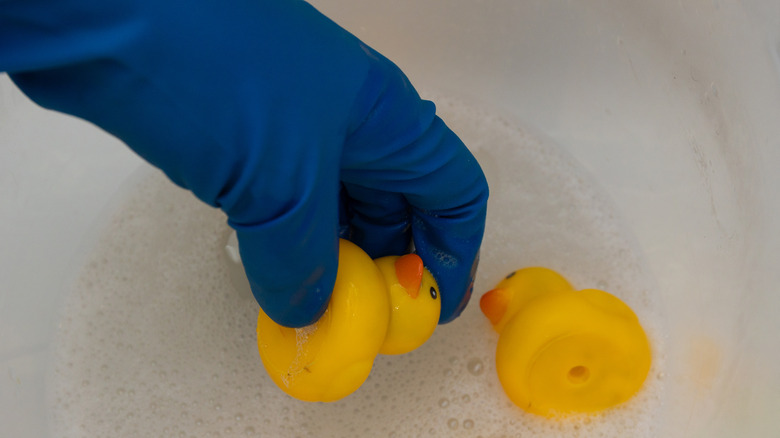
If you have young children in the house, bath time is often synonymous with fun toys. Unfortunately, bath toys can accumulate potentially harmful microorganisms quickly. You might see film or mildew within small crevices of plastic toys, or even buildup that shoots out with water from rubber squirt toys (yuck!). Even more disturbing are the combination of germs and debris that lurk in bath toys, including bacteria and fungi. Since young kiddos also tend to place toys in their mouths, you need to replace any questionable ones ASAP to prevent them from getting sick.
A good strategy is to toss and replace any bath toys as soon as you see any signs of film, mold, or mildew. It's also a good idea to sanitize them weekly in a diluted bleach solution of 1 tablespoon per gallon of warm water for up to five minutes at a time, as recommended by Michigan State University. Rinse with clean water, and allow them to dry. Alternatively, you can soak them in equal parts white vinegar and hot water every week to keep them clean. Molly Maid advises that you allow the toys to soak for up to an hour when going this route. Always try to remove water from the toys at the end of bath time so they have a chance to dry—this will help increase their lifespan.
Replace slip-resistant mats once they no longer stick
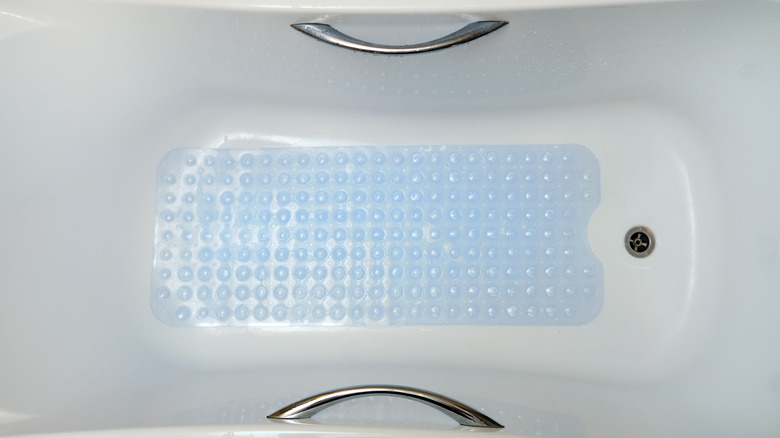
A slip resistant shower mat is a must-have to prevent falls in people young and old, especially along untextured bathing surfaces. While you might rely on these materials to help reduce the risk of slipping while bathing, these mats unfortunately do not last forever. Most require replacement every 6 to 12 months, depending on overall usage, hygiene, and their overall durability.
While you should expect to replace slip resistant mats from time to time, know that the 6 to 12 month rule is a general guideline. Some needs replacing sooner than this, particularly if you see signs of the mat falling apart. Replace yours as soon as the suction cups don't stick as well, if the edges curl up, or if you're seeing signs of mold or mildew. Since the durability varies between brands, your own mat might last longer than several months. You should still replace it as soon as it looks dirty or worn to help maintain overall health and safety for your family.
Loofahs are microbial havens that need frequent replacement
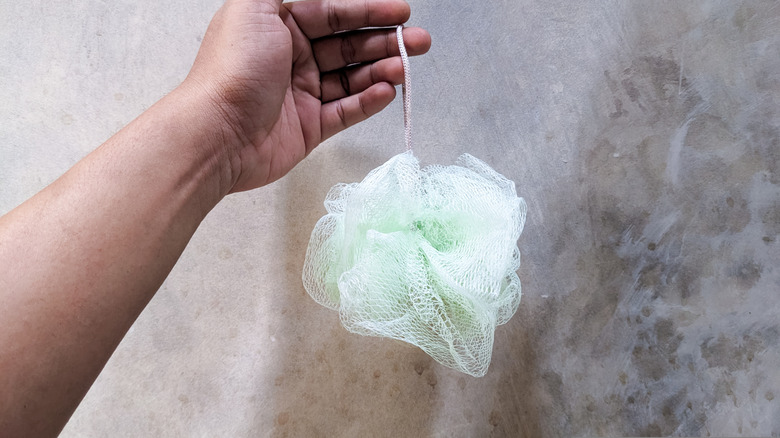
Shower loofahs were once hailed as one of the easiest ways you can exfoliate your skin. The trouble is, these items might be more harmful than beneficial, especially if you don't clean or swap yours out regularly. These popular bathroom items unfortunately harbor a lot of bacteria because of their porous construction. In fact, every time you shower, the loofah is exposed to bacteria it collects from your skin. If you prefer using a loofah over a washcloth, be sure you replace yours regularly. A synthetic ought to be replaced every 2 months at minimum, and only if you've kept it clean. If you use a natural loofah, toss it after a few weeks.
It's important to take care of your loofah in between replacements to help keep bacteria at bay. Rinsing out your loofah does little good to keep these tiny microbes from multiplying, especially if you leave it hanging up in the shower until your next bathing session. Try keeping it in a dry place in between uses. Also, while you can't toss a loofah in a washer with your towels, you can disinfect it in soapy water. The New York Times recommends doing this weekly for 2 minutes at a time to kill germs. Alternatively, Cleveland Clinic says you can disinfect your loofah in diluted bleach once a week. Let it sit in the bleach-water for 5 minutes and rinse with clean water before your next use.
Hard water may lead to frequent showerhead changes
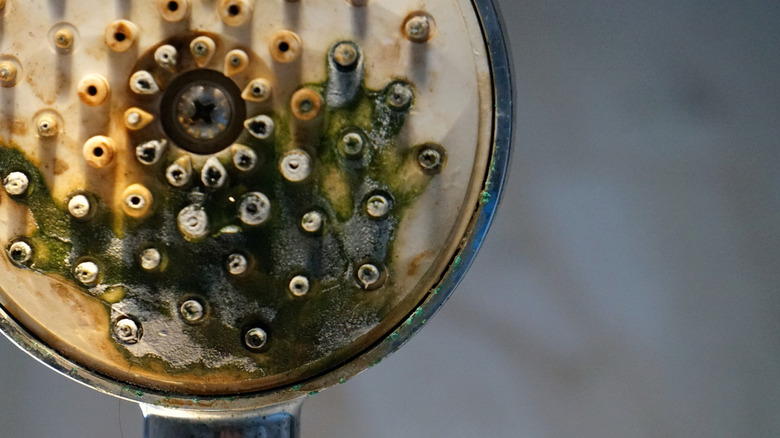
Once you have your ideal showerhead attachment in place, you're likely to forget about it. Aside from occasional cleanings, they might need to be swapped out at least every 5 years for optimal performance. But as Florida-based Superior Plumbing and Pipe Lining notes, these fixtures may have a lifespan of just 6 to 8 months in some homes. Before you change your own showerheads out this frequently though, there's some key signs to look for.
There are two major issues that can affect showerheads: mineral buildup and germs. If you have very hard water, chances are that minerals can build up against the fixture and interfere with water pressure. If you take the fixture off and notice a lot of caked-on gunk that won't come clean, it may be time to get a new showerhead. Any leaks or mold stuck inside are other good reasons to change your outdated showerhead. Also, if you haven't kept up with ways to properly clean your showerhead, and it looks like yours has seen better days, you might err on the side of caution and get a new fixture to help keep germs at bay.
High-use soap dispensers can accumulate bacteria
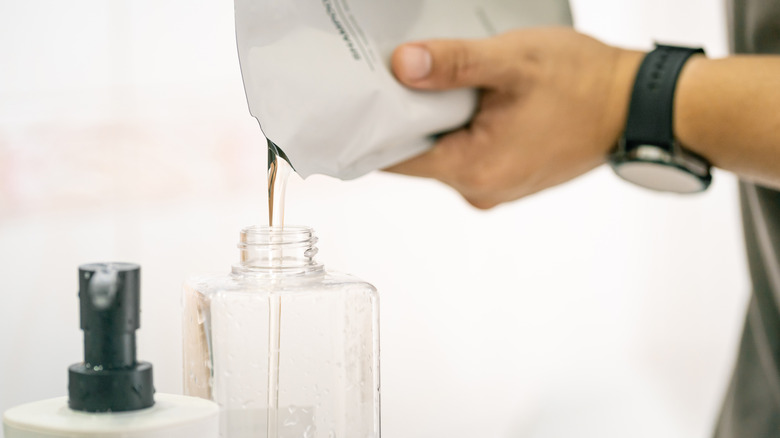
Soap is an obvious necessity to wash your hands free of germs, but how often have you thought about the dispenser? While you're likely to use soap before its 3-year shelf life passes, you may want to consider any reusable soap dispensers you have around your home. The problem is that these containers can accumulate germs over time, with bacterial build-up being a significant issue.
While there are some clear guidelines on how often to replace certain items around your bathroom, there doesn't appear to be a consensus on soap dispensers. This really depends on how often the dispenser gets used. High-use dispensers around shared bathrooms or those in showers might be replaced every few months to reduce the risk of bacteria buildup. A soap dispenser that's rarely used in a secondary bathroom may not require such frequent replacement. Regardless of how often you swap out your bathroom soap dispensers, it's important to clean them regularly. An easy way to do this is to wipe down the dispenser every time you clean your bathroom counter or shower. Also, be sure to disinfect the container and nozzle if someone in your household is sick.
Replace toothbrushes or brush heads every few months
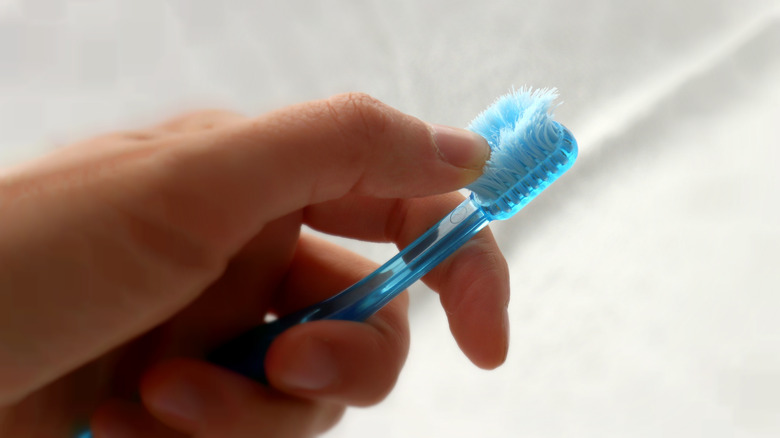
Most people should get their teeth cleaned every 6 months, and you might also be used to getting a free toothbrush at these twice-a-year appointments. It's, of course, up to you whether you use the freebie manual toothbrush or an electric version you buy yourself. In either case, though, you should be swapping the toothbrush or toothbrush head more frequently than your biannual cleanings. In fact, these need to be replaced as soon as every 3 to 4 months on average, according to the American Dental Association. This helps to keep your toothbrush in tip-top condition, so it works more effectively.
Following the 3- or 4-month rule for toothbrush replacement is really the bare minimum, though. Replace yours whenever the bristles look worn or discolored—these are signs the brush may not remove plaque from your teeth as well as it should. Some people also like to swap out their toothbrushes after being sick. Never place a toothbrush in the dishwasher or microwave to sanitize it. Unlike dish sponges, this type of cleaning solution is unnecessary, and it can damage the toothbrush bristles. You're better off swapping out a questionable brush instead of resorting to such methods.
Replace toilet brushes at least once a year
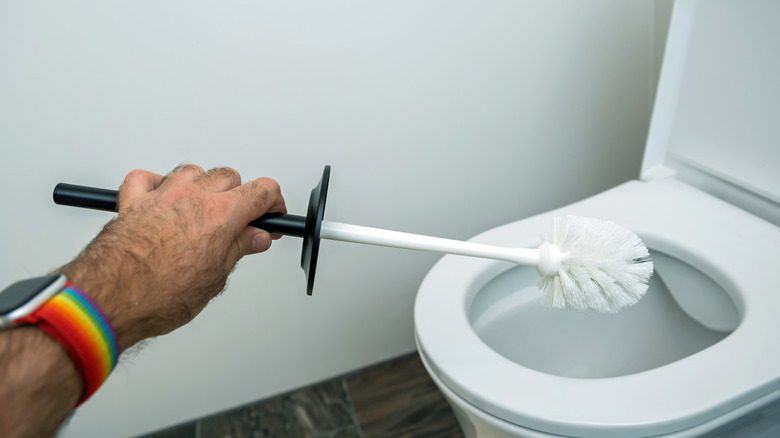
A traditional toilet brush arguably has better scrubbing capabilities over wands with disposable heads. This doesn't mean you can keep your old toilet brush forever, though. These brushes ought to be replaced regularly to reduce bacteria buildup and to ensure the bristles can effectively clean the bowl. There are differing opinions on exactly how often to do this. For example, the New York Times recommends swapping out your toilet brush for a new one every few months, the Huffington Post outlines 6 to 12 month replacements as a general guideline.
If 3 months seems too soon to replace your toilet brush, and a year seems way too long, chances are that your routine should fall somewhere in the middle of this timeline. Frayed or dirty bristles are signs it's time to replace yours, as well as any brush head that is starting to look gunky. Brushes for cleaning high-use toilets likely need frequent brush replacements, too, since you're probably using them more often. You can also increase the lifespan of your toilet brush by rinsing it off in clean toilet water after every use—this helps to cut down on bacteria growth. It's also smart to spray the brush with a disinfectant before storing it away for the next use.
Swap out toilet seats regularly, and sooner than recommended if needed

Even if you clean your toilet regularly, the toilet seat unfortunately takes on a lot of wear and tear. This especially the case in high-traffic bathrooms. The good news is this is an easy fix that doesn't require you to replace your entire toilet unnecessarily. All you need to do is to unhook the existing toilet seat and insert a new one in its place. As a general rule, you can expect to take on this minor project every 5 to 10 years, and sooner if needed.
While most toilet seats can last for about 5 to 10 years, some need to be replaced before this average timeframe. This is especially the case with cracked toilet seats that can be hazardous, as well as those with stains that just won't come clean. Another situation that warrants new toilet seats is if you've moved into a new home that had a previous owner or tenant. If you're finding you need to replace the toilet seat too often, you might consider investing in a more durable version that could hopefully last a bit longer.
Don't neglect replacing your toilet when warranted
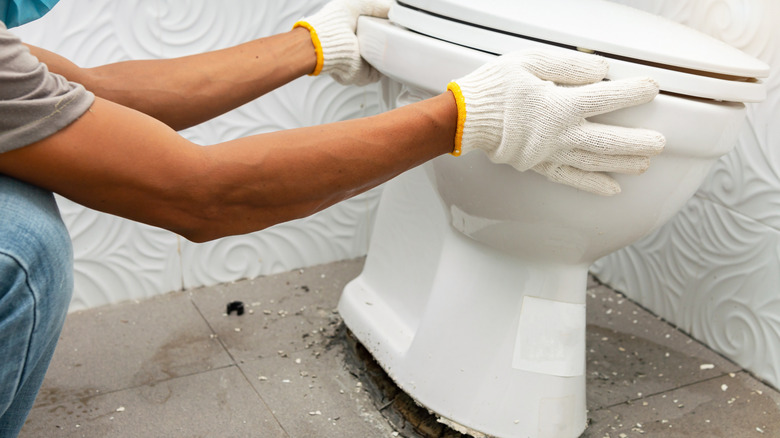
Chances are you will need to replace your toilet seat a few times before the entire toilet. While many toilets outlive some common home appliances, they don't last forever. The average lifespan for a home toilet is 10 to 15 years. Some toilets can last much longer than this with the right care, but there are also signs that yours could be at the end of their lifespan.
No one likes the thought of having to replace a toilet, but it is a necessity from time to time. Leaks, frequent blockages, and the need for multiple back-to-back flushes are among some red flags that there are some major underlying issues. If you're constantly calling a plumber to fix issues with the toilet, it may be time to replace it entirely. The cost of a new toilet and possible professional installation (if you don't swap it out on your own) could be less expensive than long-term plumbing bills on an older model. If you do opt for a replacement, consider a newer model that might be more eco-friendly. While you're at it, you might investigate the possible pros and cons of dual flush toilets for your home.