

Why You Should Think Twice Before Trying To DIY Your Septic System Repair
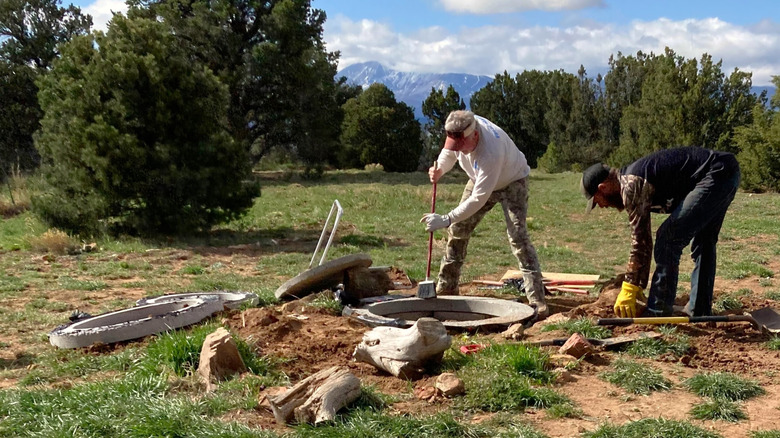
Most homeowners have a handful of DIY projects they know how to do and feel confident tackling on their own. However, even when saving money is the goal, there are some projects that simply aren't safe to attempt to do yourself. Septic system repairs fall squarely into that category. A septic system is far more complex than most people expect, and DIYers can make major mistakes that end up costing more in the long run. While there are several reasons to avoid DIY septic repairs, the biggest concerns are exposure to harmful waste and the risk of environmental contamination.
One important thing to know about septic systems is that their tanks contain hazardous materials. Human and household waste are riddled with bacteria and pathogens. Without using the proper repair techniques and safety gear, you could expose yourself to sewage and end up with symptoms like diarrhea, cramps, nausea, and intestinal illnesses. Septic tanks may also contain parasites like hookworms and roundworms, which can cause long-term illnesses that are difficult to diagnose.
Mistakes during DIY septic repairs can also lead to environmental contamination. For example, if you crack the tank or pipes during DIY repairs, untreated sewage could leak, creating environmental risks for groundwater or contaminating nearby natural creeks and ecosystems.
DIYers could spend extra because of repair errors
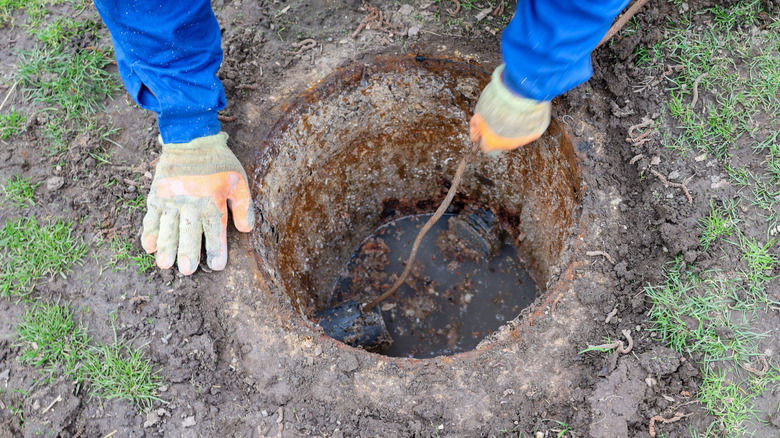
While DIY septic repairs may seem like a money-saver, you might end up spending more money in the long run to fix any mistakes you made. One common error occurs when attaching a new segment of sewer pipe to the septic tank. You need to seal the tank from both the inside and outside to eliminate the risk of leaks using hydraulic cement, asphalt mortar, and mineral mortar. Improperly sealing the pipe connection can allow dirt, gravel, sand, and even tree roots to enter the tank and cause serious damage. Such items invading the pipes and tank can slow the movement of wastewater and solids, potentially leading to expensive repairs of the tank and damage inside the house from septic backups.
In many areas, homeowners aren't legally allowed to repair their own septic systems because they can't obtain the required permits needed to do the work. Some locations only allow licensed contractors to seek these permits. Local regulations for septic systems ensure proper repairs are made to avoid the risk of contaminating the environment from leaks or a malfunctioning system. If you make repairs that don't follow local regulations or that skip obtaining permits, you could receive monetary fines or suffer legal consequences. Ultimately, making improper DIY repairs may shorten the lifespan of the septic system, necessitating the expense of replacing it.
You may not fully understand the septic system's components
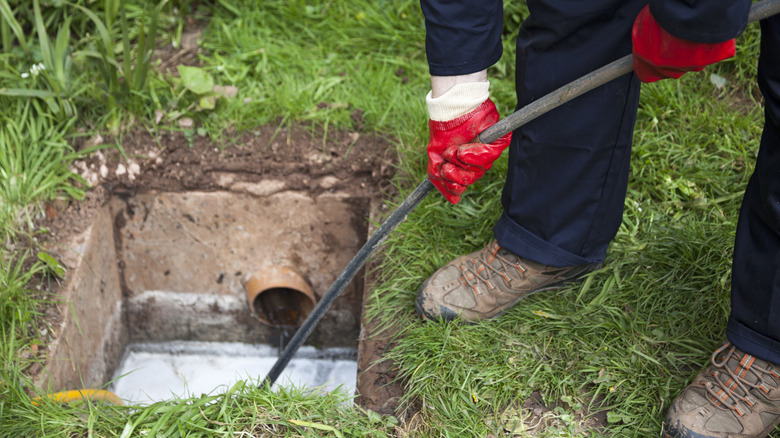
Even if you think you know everything about how your home's septic tank works, you probably don't have the same level of knowledge as a professional. For example, repairing and inspecting the drain field is extremely difficult for DIY homeowners who might not understand its design. Professionals can study potential signs of drain field damage at ground level to diagnose exactly what is happening. Many DIYers aren't familiar with components like the distribution box, which evenly disperses wastewater across the drain field. Pros can diagnose clogs in the distribution box faster than a DIYer, fixing the issue and returning the system back to normal as quickly as possible.
Additionally, professionals have specialized tools that allow them to accurately diagnose the issue and repair the septic system without damaging it further. Things like video cameras on cables allow the pros to inspect parts of the system that are not easily accessible. If the video inspection shows a clog, the pros may use a hydro-jet machine that applies water pressure to the clog and clears it without having to dig the pipes out of the ground. Although DIYers can rent these machines and tools, they might struggle with using them correctly or deciphering exactly what they're seeing. Additionally, renting equipment like inspection cameras can cost as much as $200 a day, which partially defeats the purpose of trying to save money with a DIY job.