

11 Types Of Bedsheet Materials And The Best Way To Clean Them
The type of sheets you use to make your bed makes a big difference to things like comfort and temperature regulation. You have your choice of natural fiber bedsheets — made from materials like cotton, linen, bamboo, or hemp — or synthetic fabrics. Some of these popular types of bedsheet materials are known for being especially soft, while others stand out for being breathable or moisture-wicking.
Since it's important to regularly wash your sheets, don't forget to factor in the care requirements when comparing different types of sheets. Some types of bedsheet materials are easy to launder in the washing machine and dryer. Others might have stricter care requirements in exchange for their cozy or silky texture.
Cotton sheets are breathable and durable
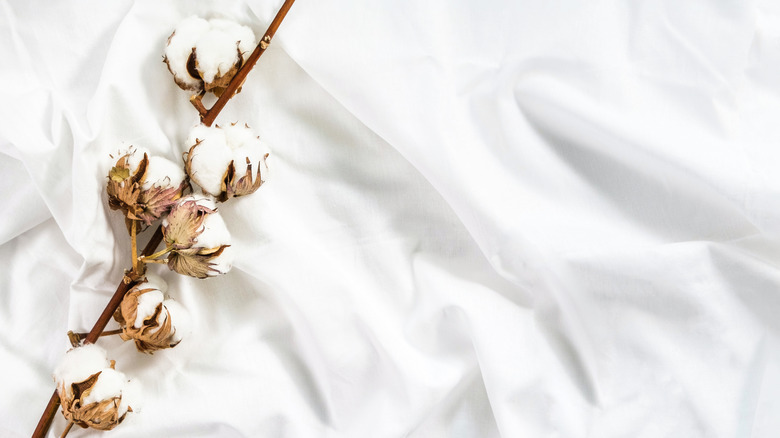
Cotton sheets are widely available. In fact, about 80 percent of sheets sold in the U.S. are made of cotton. The advantages of this natural fiber are that it's breathable and absorbent. You'll maximize the benefits of cotton sheets if you choose a high-quality cotton. Sheets made from Egyptian or Pima cotton, for instance, have a reputation for being supremely soft and durable but also more expensive. You'll also need to decide if you want a percale or sateen weave. Cotton percale sheets have a looser weave for better breathability, while sateen sheets have a tighter weave for a super smooth, luxurious feel.
The care requirements for cotton sheets are the simplest, compared to other types of bedsheet materials. Unlike some fabrics, cotton sheets can be washed even at higher temperatures, including a hot water wash — washing sheets in hot water can be especially beneficial for people with a sensitivity to dust mites. If you fall into that category, pure cotton sheets might be your best bet. Machine-dry cotton sheets using low heat and take them out of the dryer as soon as the cycle is finished, to reduce wrinkling. Keep in mind that a brand-new set of cotton sheets should be washed before use. A hot water wash with a half cup of white vinegar added will remove heavy starches, sizing agents, and other chemicals that may have been added during the manufacturing and packaging process.
Linen keeps you comfortable in all weather but wrinkles easily
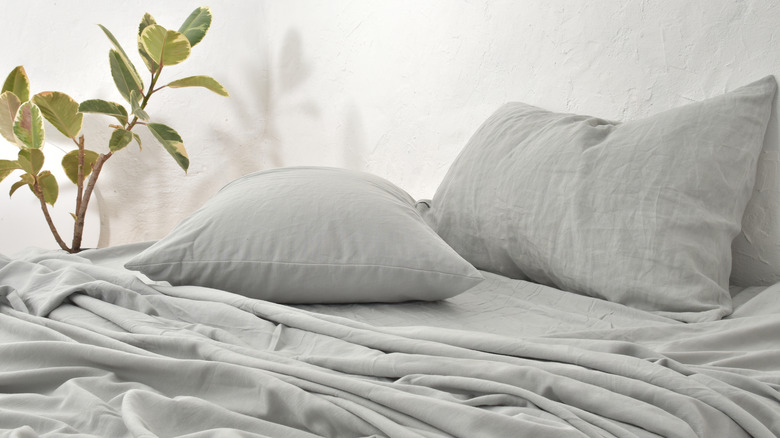
Linen sheets are made from the natural fibers of the flax plant. As a result, these sheets are breathable, moisture-wicking, and hypoallergenic. However, they do have a coarser feel, especially when new. With repeated washing, the fibers relax, and the sheets become softer but remain very durable — more so than cotton.
Linen sheets tend to have a crinkled texture, so if you're looking for the crisp, smooth look of hotel sheets, take a pass on this type of bedsheet material. On the other hand, if you don't mind the lived-in look and you want sheets that keep you cool in the summer and warm in the winter, linen is ideal. As an alternative, linen-cotton blend sheets offer the benefits of linen with less wrinkling.
To maximize the lifespan of linen sheets, they should be cleaned on a cold water wash setting. You can machine dry them using a low heat setting, but remove the sheets from the dryer right away to reduce the amount of wrinkles in the material. You can also do your best to prevent sheets from balling up in the dryer by tossing a few wool laundry balls in the drum with your linen sheets. If you have the space, air-drying a set of linen sheets is ideal. If you go this route, keep in mind that this drying method can create a crisper feel that might bother some sleepers.
For soft, warm sheets, flannel can't be beaten
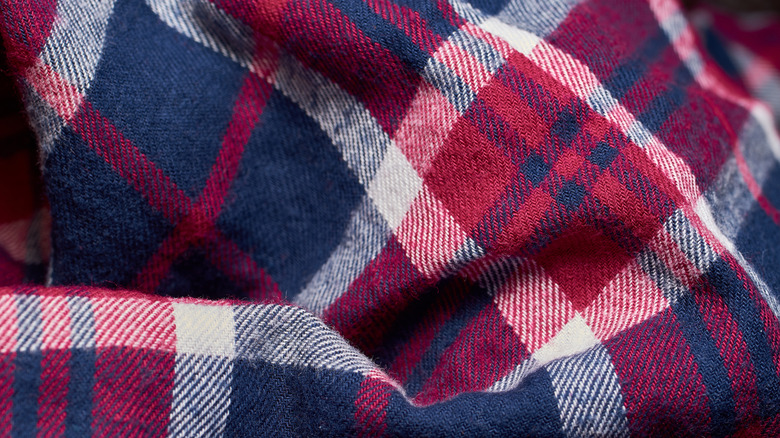
A cozy choice for bedsheet materials, flannel is made from cotton fibers that have been brushed for a soft, fuzzy texture. Flannel sheets hold in heat and are ideal for cold-weather climates. If you sleep hot or want sheets that are suited for year-round use, flannel isn't likely to suit your situation. The most appealing part about flannel sheets is the characteristically fuzzy texture of the material.
While cotton flannel sheets are a strong, durable material, they can be prone to pilling over time. Because of that, it's best to wash flannel sheets separately to avoid wear and friction from other items in the wash, like towels. Use a cold water wash and a gentle cycle to further minimize agitation of the fibers. When you dry your flannel sheets, pick a low heat setting and be careful not to over-dry the sheets, since that damages the fibers.
Polyester sheets don't shrink or wrinkle
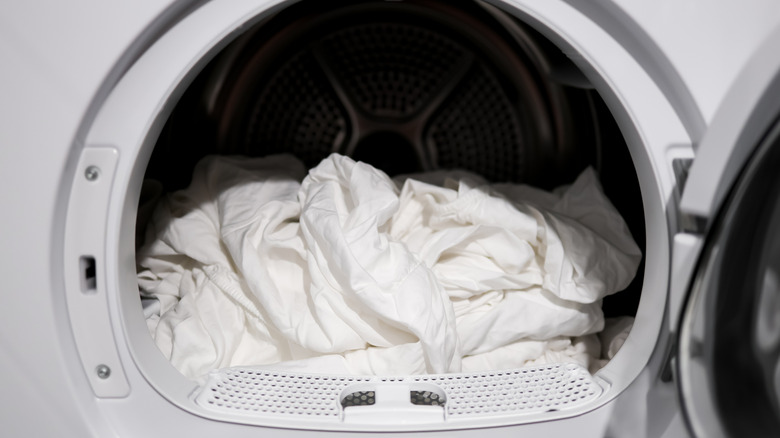
Polyester is another common type of bedsheet material. It's made of synthetic fibers that are very strong but smooth and lightweight. What many people like most about polyester sheets is their affordability and easy care. Sheets made of 100 percent polyester may pill over time, but are unlikely to shrink, as long as you follow the care requirements. These sheets are also very wrinkle-resistant, so if you don't want to worry about ironing sheets, polyester is an excellent pick. However, the synthetic fibers aren't very breathable or moisture-wicking. As a result, polyester sheets have a reputation for trapping heat and do a subpar job at absorbing sweat. Pass on polyester if you sleep warm, live in a hot climate, or look for polyester blended with a more breathable fiber, like nylon.
The best way to clean polyester sheets is in the washer on a cool or warm water cycle. You can use a normal cycle followed by a trip to the dryer. Just be sure that you skip high heat settings, since that can damage the synthetic fibers. Low or medium heat settings are your best options.
Bamboo makes a soft and breathable material for sheets
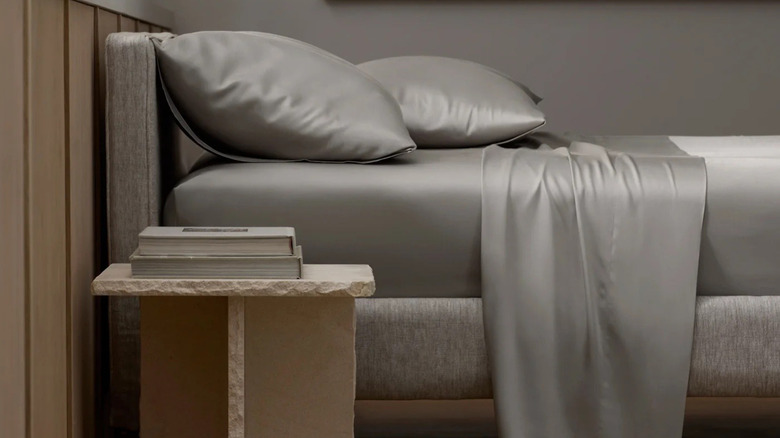
Soft and lightweight, bamboo sheets are a natural fiber bedsheet. Also called bamboo lyocell, these sheets are made from the pulp of the bamboo plant, which is a fast-growing and sustainable source of plant fiber. That might not initially sound like the stuff that sweet dreams are made of, but the bamboo fibers create a very smooth weave that's soft to the touch, with the additional advantage of being very breathable.
Bamboo sheets are long-lasting, which is a good thing, because they are not cheap. You'll likely pay more for a set of quality bamboo sheets than you'd pay for polyester or cotton sheets. One thing to keep in mind is that while bamboo is considered a biodegradable, eco-friendly material, the manufacturing process does rely on the use of chemicals to dissolve the bamboo pulp.
When it comes to how to clean bamboo sheets, you want to use laundry cycles that will preserve the material's smooth, soft finish. It's best to wash them in a separate load, so there's less chance for wear from friction and snags. A cold water wash using a gentle cycle is best. And while vinegar can soften stiff cotton sheets, don't use it on your bamboo sheets. After washing, dry your sheets on a low heat setting or line dry, to avoid shrinking.
Microfiber has a super smooth feel and easy care requirements
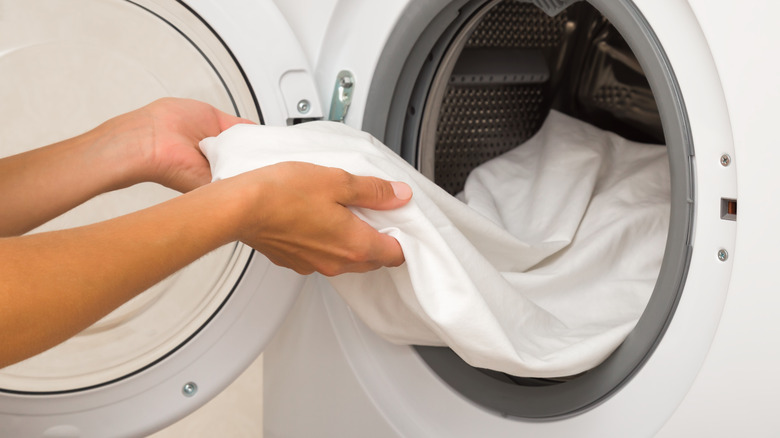
Microfiber sheets have become popular because they're affordable, easy to wash and dry, and have a super smooth texture. As an added bonus, these sheets are very wrinkle-resistant, so you won't have to fuss with ironing them to get a tidy look. Microfiber sheets are made of synthetic fibers and are a type of polyester, but the fibers that make up microfiber sheets are super thin — usually less than a single denier in thickness, which is similar to silk. That's why microfiber sheets feel so soft!
Microfiber sheets aren't likely to shrink, but you should avoid very hot temperature settings when washing and drying these sheets, to protect the fibers. Use a cold or warm water wash and a normal cycle setting to launder these sheets. Afterward, you can put them in the dryer on a low temperature setting until dry.
Jersey sheets are stretchy and soft

Like your favorite t-shirt, jersey sheets offer a soft, comfortable feel. The stretchy material is usually made of knitted cotton fibers, but it could also be a blend of cotton and synthetic fibers, like polyester. If you prioritize breathability, look for a 100 percent cotton fiber jersey sheet set. The stretch offered by these knitted sheets also means that the material doesn't wrinkle.
The best way to clean these types of sheets is in the washer, following the care instructions on the sheet. When in doubt, your safest option to avoid shrinking is to use a cold water setting. You might also consider looking for jersey sheets that are pre-shrunk, to make sure that the sheets don't lose any size when you launder them. Since too much friction can cause jersey sheets to pill, use a gentle cycle to agitate the fabric as little as possible. You can put jersey sheets in the dryer or line-dry them.
Cashmere is a warm, luxurious pick for bedsheets

It turns out that the soft, luxurious feel of cashmere is ideal for more than sweaters. A type of wool from goats, this natural fiber makes for a warm but breathable type of bedsheet material, in which it's often blended with other fibers, like cotton. When comparing options for cashmere bedsheets, look for information about the fabric's weight, expressed in GSM (grams per square meter). If you want cashmere sheets that are extra warm, look for a higher GSM.
Cashmere sheets have special care requirements, and a high price tag. To properly care for these types of sheets, closely follow any care instructions for the specific set of sheets you purchase. Generally speaking, however, handwashing is the recommended method for cleaning cashmere. Since sheets can be large, you can do this in a bathtub. When choosing a laundry detergent for cashmere, go with a gentle formula that's designed for wool items. A more convenient alternative to handwashing cashmere sheets is to put them in the washing machine using a mesh laundry bag and a wool or handwash cycle setting. While a cycle in the washing machine is optional, proceed with caution when it comes to putting these sheets in the dryer.
Some blended cashmere sheet sets can go in the dryer on a low heat setting, but you can also air-dry your cashmere sheets if you have the space. To do so, lay your sheets flat to dry or use a drying rack, but don't line-dry them in the sun. Like other wet wool items, you shouldn't wring out cashmere sheets. Roll the sheets inside a clean, dry towel, to absorb excess moisture and speed up the drying process.
Lyocell sheets are made from wood but feel surprisingly smooth

Lyocell sheets are a smooth, breathable, and moisture-wicking choice for bedsheets. This type of material is made from the cellulose of wood pulp, most commonly eucalyptus, which is known to make especially smooth and breathable sheets compared to other fabrics, like cotton — though other types of cellulose work just as well to make lyocell, including bamboo. The biggest tradeoffs are a higher price and more specific care requirements. One trademarked variety is Tencel, which is perhaps one of the most common types of lyocell sheets. What's unique about Tencel sheets is that they're made using sustainably sourced wood, with specific standards for quality and manufacturing.
To ensure that lyocell sheets stay silky smooth, you should wash them separately from other laundry items that might cause the material to snag. You can use a washing machine for this type of sheet, but use a cold water wash and a gentle cycle, and avoid high temperatures in the dryer, since that can damage the fibers. To dry these bedsheets, stick with a low heat setting or air-dry them.
Silk is the epitome of luxury but needs a lot of care
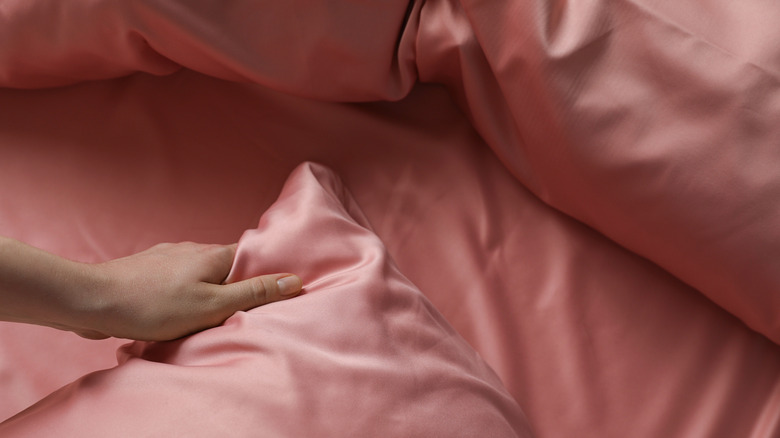
Silk is a natural fiber that creates one of the most luxurious bedsheet materials, with a price tag to match. However, once you see and feel a set of silk sheets, you'll be more likely to spend big for these high-end sheets. Silk sheets have an incredibly smooth, soft, and lustrous finish, but the material is very strong. Further adding to the appeal is the fact that silk has an excellent ability to keep you cool in hot weather and warm in cold weather.
When comparing silk sheets, momme is the measure of quality. Sometimes it will be abbreviated to mm, and it refers to the weight of the silk material. Most silk sheets are between 12 and 30 mm, with a higher momme indicating more durability. While silk fibers are known for their strength, they become more fragile when wet, which underscores why it's so important to wash silk sheets carefully. Handwashing is the most gentle way to wash these types of sheets. Don't wring them afterward; instead, gently press out excess water.
If you're looking for a shortcut, though, you can wash silk sheets in the washing machine. Use a laundry detergent designed for silk or wool, cold water, and a gentle cycle. Also, check the sheet's care tag regarding drying; some silk sheets can go in the dryer at a low temperature, while others should only be air-dried.
Hemp sheets are breathable but may need to soften over time
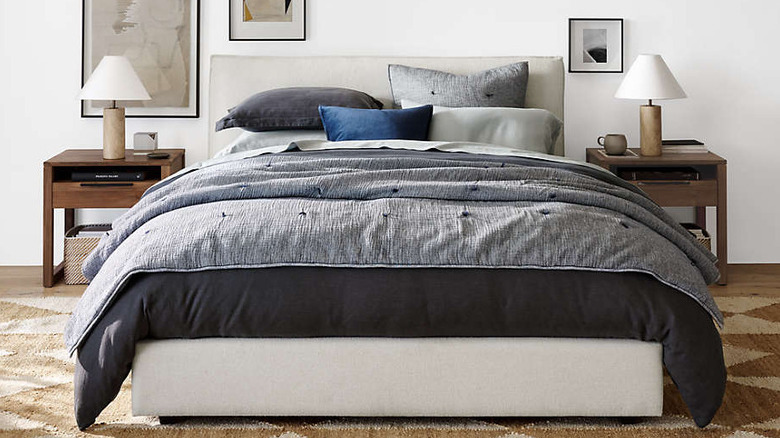
Another natural fiber bedsheet material is hemp, woven from the fibers of the stalk of the hemp plant. Hemp bedsheets are similar in some ways to linen, but with a coarser texture. The good news, though, is that they wrinkle less than linen sheets, and the material does soften over time. When woven into a fabric, hemp is very breathable, so you'll sleep cool with these bedsheets. Plus, the fibers are durable so you can expect these sheets to be long-lasting. When they do wear out, it's nice to know that biodegradable hemp sheets won't contribute to long-lasting landfill waste.
Hemp bedsheets don't require much in the way of special care requirements. You can wash these sheets in the washing machine on a lukewarm or cold water wash. A gentle cycle is best. You can also dry your hemp sheets in the dryer, as long as you use a low heat setting. Using a dryer for hemp sheets can make them soften faster, but it's a good idea to line-dry hemp material when possible, to ensure it lasts as long as possible.