

The Painting Trend You Don't Want To Fall For And Why

If you spend time scrolling through the home decor corner of any social media app, you will surely be inundated with hot takes and DIY tips to turn your home into a magazine-ready masterpiece. It is so easy to be influenced by a quick and budget-friendly hack that promises to make your ordinary space beautiful. If this sounds familiar, you might have even seen gorgeous before and after photos of glossy refrigerators, ovens, and air fryers in custom colors that blend perfectly into the rest of the kitchen or TikTokers painting their washers and dryers. This paint-your-appliances trend that has gained traction online promises to transform your space without forcing any expensive upgrades. The posts online show perfectly staged photos that make it seem easy, creative, and stylish — it almost looks too good to be true. That's because it is.
Social media loves to reward fast and dramatic transformations because they are visually striking, allowing them to gain popularity quickly. Many of these tips and tricks are coming from amateur DIYers who don't always give you the big picture in a quick online post — like what the transformation looks like a few months later or how painting an appliance will affect maintenance, repairs, and the manufacturer's warranty. Nor do they address the potential safety risks associated with painting appliances. If you have been tempted by this trend, there are a few things you should consider before you fall for it. Because even though a coat of paint has long been known to help transform a room, it doesn't need to go on everything.
Regularly used items typically clash with paint
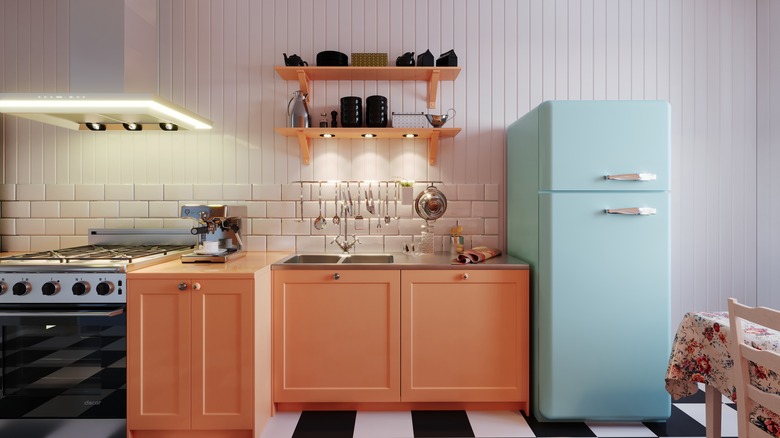
There are a lot of things you should never paint in your kitchen. For example, let's consider the refrigerator. Think about how often you use that particular appliance: the number of times you open and close the door, bang into it while cooking, and splash food and liquid on its surface. This daily use provides a lot of wear and tear on an appliance, making paint chipping extremely likely, and that's before you add in other factors like temperature and moisture concerns that paint doesn't respond well to. It doesn't matter if you're painting your refrigerator, oven, dishwasher, or air fryer — they all experience temperature changes during regular use that will cause surfaces to expand and contract. This automatically weakens paint adhesion and accelerates peeling.
In fact, the more something is used, the worse it is as a painted surface. It's why you will often see areas like floors and countertops listed when experts share their advice on what not to paint. Appliances fall under this same rule. Even if you put time and effort into priming and sealing the surface of your appliance, these conditions are just not conducive to long-term success. It's easy to fall for the polished images taken just moments after a project is completed without taking into consideration what it looks like months later when the wear is almost certain to show. And once that happens, the chipped and peeling paint will surely look worse than the original surface did. When you also add in that painting an appliance is sure to make it nonreturnable and void any manufacturer's warranty, it just makes the trend even more undesirable.
Safety concerns and what to do instead
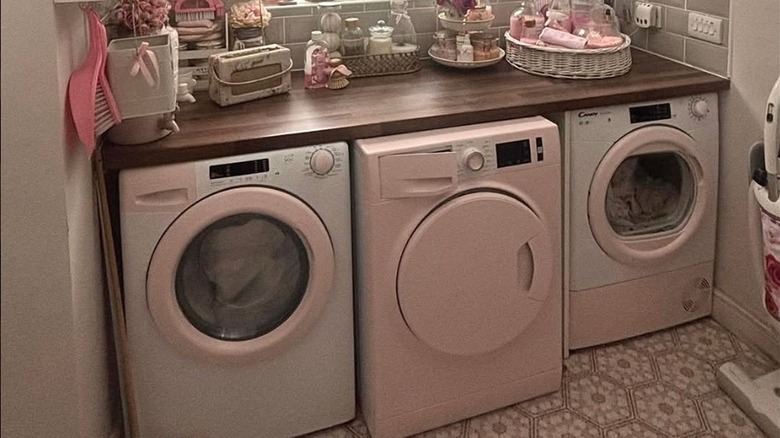
Concerns about the paint-your-appliance trend go beyond just durability and aesthetics. Safety is also a factor to think about since a lot of paints are flammable. Typically, flammable substances don't pair well with electrical appliances that contain wiring and generate heat, creating a potential fire hazard. The use of latex or oil-based paints on your appliances can create a dangerous combination, though it is possible to avoid those issues by using the right kind of paint, such as a high heat-resistant paint. While manufacturers do make epoxy paint specifically for appliances, it usually comes in basic colors like white and black. The transformations you see online aren't just white and black — they are full of bold, bright colors that make appliances pop.
But with all the factors combined, you have to ask yourself if this trend is really worth it and consider some smarter alternatives. If you really feel like your appliance is outdated or needs a little refreshing, consider peel-and-stick wraps that are designed to cover appliances or contact the manufacturer for a new shell. You can also update other elements of your kitchen like cabinet hardware or simply paint the surrounding walls to help change how appliances look. Sometimes just deep cleaning your kitchen appliances can make them feel brand new again. So even though painting fridges and ovens might seem like a clever shortcut, it is not a trend that can hold up long-term. There are plenty of DIY paint hacks worth trying in your home, but this one you are better off resisting.