

Not-So-Typical Appliances That Can Improve Your Kitchen
We may receive a commission on purchases made from links.
From that sticky s'mores maker to the greasy deep fryer, every kitchen has a few gadgets or appliances that seemed like a good idea but fell short of expectations. The problem with most small appliances is that they're not super expensive, so you buy them on a whim. Maybe you saw someone on TikTok hosting a fondue party, so you bought a fondue pot without thinking about how much you dislike melted cheese. Or, the sleek design of that soda maker caught your eye. Those appliances aren't inherently bad, but they're not necessary for every kitchen. That's why when you're looking at the not-so-typical options, you want to consider your lifestyle, from how you entertain to what your family eats regularly. That way, your latest kitchen appliance won't turn into a paperweight that collects dust.
Take an egg cooker, for example. In some homes, it would get used a few times and then be stuffed in the back of a cabinet. But if you eat multiple hard-boiled eggs a day or like to do food prep, the appliance could be a timesaver. Your shopping habits also impact your decision — a food sealer could be a good investment for Costco fans who buy in bulk. These 13 appliances are options that aren't necessary for all kitchens but could make your life easier. Even if space is limited, there are several appliance storage ideas to try out in your kitchen to keep your new additions in order.
Countertop or handheld steam sanitizer to eliminate nasty germs
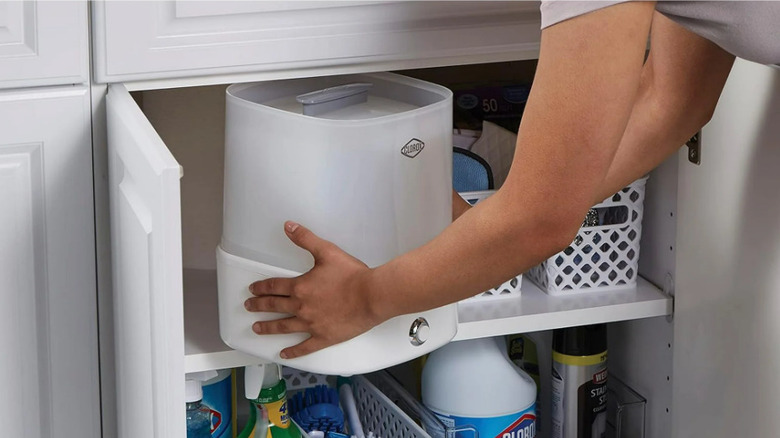
Kitchens get dirty and germy quickly, and that's the last thing you want in food prep areas. Steam cleaners offer a way to kill germs on various sealed, nonporous surfaces and tools in your kitchen. They use heat and steam to make cleaning and sterilizing easier. Countertop models, like the Clorox steam sanitizer, are enclosed and hold smaller kitchen utensils inside to sanitize them. A handheld model, like the Bissell Steam Shot, lets you clean various surfaces, including countertops, appliances, and tools. You can also use it beyond the kitchen to sanitize sports equipment, bathroom surfaces, and other items.
Since steam sanitizers don't use any chemicals, buying one could be a good option for green cleaning. Steam sanitizers can be useful when you have small kids to help keep their toys, bottles, silverware, and other items germ-free. You can even buy specialty options, like the Grownsy bottle sterilizer and dryer. However, there are some dangerous downsides of a steam cleaner you should be aware of, including the risk of burns from the hot, pressurized steam and moisture damage on unsealed or porous surfaces.
Vacuum sealer to preserve food for longer
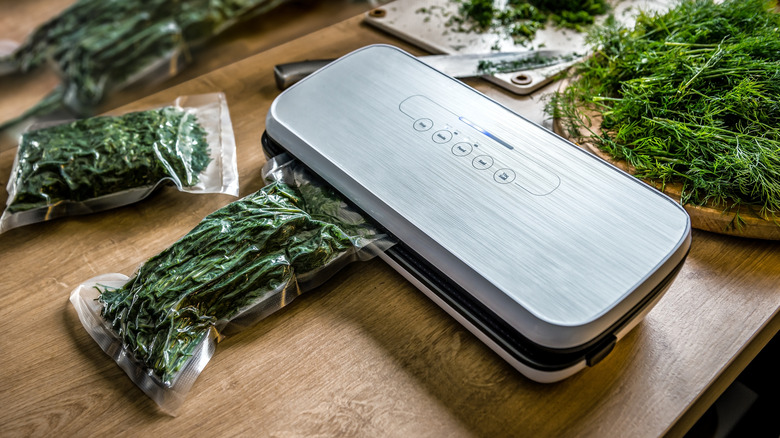
Tired of food going bad quickly? Or maybe your frozen foods are getting freezer burn. A vacuum sealer could help you combat those issues. You'll find a wide range of these machines, but they all work by first sucking the air out of the bag and then creating an airtight seal. Spoilage happens with oxygen exposure, so removing it from the bag helps extend the life of your food. The kitchen isn't the only place to use the device — there's a clever vacuum sealer hack that keeps wet paint brushes from drying out by sealing the brush and keeping the paint wet.
But how often would you use a vacuum sealer? Consider your shopping habits. People who buy in bulk can divide larger packages into smaller portions and seal them securely — this could allow you to buy bigger quantities with less worry of the food going bad. If you use the sous vide cooking method, you'll want a vacuum sealer to prep the food before cooking it. Gardeners with bountiful harvests may appreciate a food sealer as a preservation method for fresh and dried produce. You might also save money on food waste if your family tends to toss a lot of spoiled food.
Warming drawer to keep food and plates at an ideal temperature
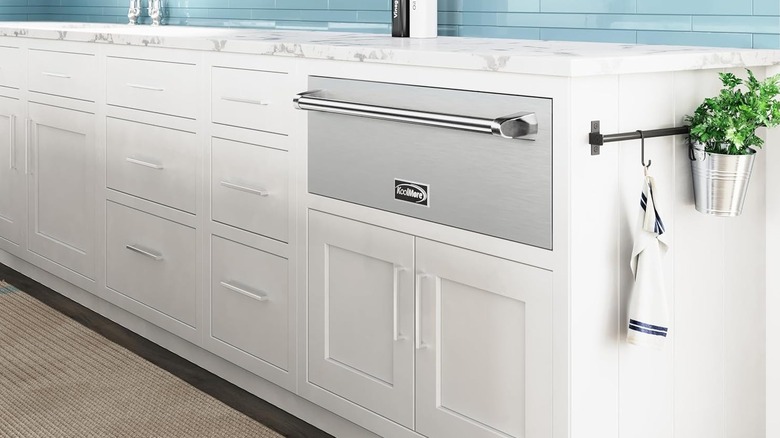
Warming drawers are standalone appliances designed to maintain gentle heat inside, typically with options ranging from 80 to 200 degrees Fahrenheit. They keep food at a safe temperature without drying it or overcooking it. This comes in handy if you're making lots of dishes and need to stagger cooking times. When you entertain, you can maintain the food's temperature for your guests. And on any night of the week, you can keep food warm for family members who eat later. However, a warming drawer is useful for several other tasks as well, including proofing bread dough, keeping plates warm, slow cooking certain foods, and even warming clean towels.
Is a warming drawer worth it? Frequent entertainers may benefit the most from this appliance because it allows the food to remain hot until you're ready to serve it. It could also be useful if you frequently bake bread and rolls that need to rise — it maintains an ideal temperature and lets you proof your dough in an enclosed space. However, you may want to skip the warming drawer if you have a small kitchen or a limited budget. The built-in design means you'll need to give up some of your storage space for the drawer.
Sous vide cooking machine to prepare foods to perfection
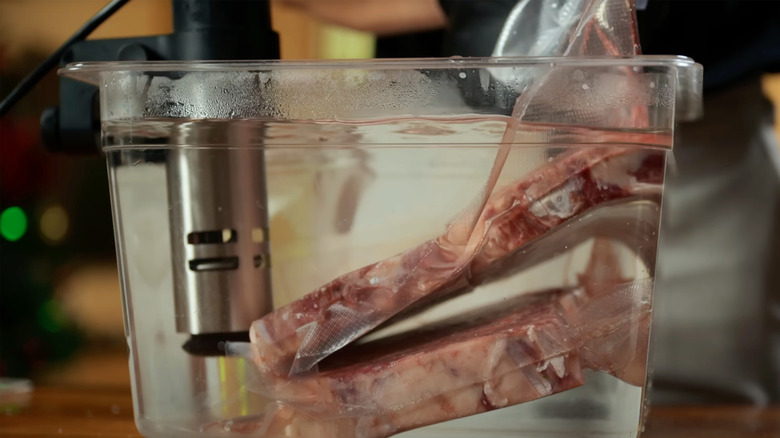
Have you ever wondered how restaurants cook meat to perfection without losing the delicious juiciness? It could be via sous vide — a process whereby vacuum-sealed food goes into a water bath at a low cooking temperature. The main tool you need is a circulator, which moves the hot water around in the water bath to cook the food. Because you're cooking food at a low temperature, it's a slow cooking process — that's beneficial for meat, tenderizing it as the connective tissues break down. It's also a relatively hands-off cooking method since the machine maintains the ideal temperature and makes overcooking virtually impossible.
Home cooks who want to experiment with sous vide cooking may appreciate an immersion circulator. The appliance, like the Inkbird WiFi sous vide cooker, is relatively small, which makes it easy to store if you want to recreate restaurant-style meals at home. You might also like this kitchen appliance if you're busy and don't want to spend all of your time tending to food on the stove — set it up and handle other chores while your meal cooks. Keep in mind, you really should be cleaning this small kitchen appliance more often than most people do, so it does require some upkeep. It also might not be a good investment if you rarely cook at home or have your standard recipes you enjoy cooking with the traditional methods.
Nugget ice maker to replicate your favorite restaurant ice
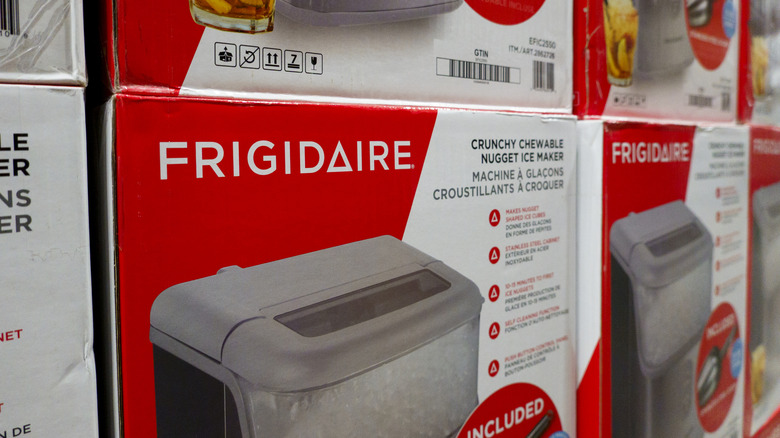
For many people, especially those who host frequently, a nugget ice maker is one of those must-have appliances that add a touch of luxury to your home. There's something about perfectly crunchy ice that people love, and a nugget ice maker lets you recreate your favorite drive-thru drinks at home. A countertop ice maker isn't simply a replacement for ice cube trays or a built-in ice maker — it uses a different process to make unique ice cubes. The inner workings of the machine create flake-like ice that's compacted into cubes, which is why they're so soft and easy to crunch.
You might benefit from a countertop ice maker if you want a steady supply of ice that isn't being maintained by your current ice-making method. It comes in handy if you entertain frequently — there's plenty of ice for everyone, and you'll surely get comments on the Sonic-like ice you're serving. People who love to chew ice may also feel like the splurge is worth it to have soft, crunchy ice at home at any time. However, the machine takes up room on your countertop, so it might not be a good option if your kitchen space is limited. Higher-end models with advanced components and high-quality materials can also be quite expensive.
Nut milk maker for alternative milk options with fewer ingredients
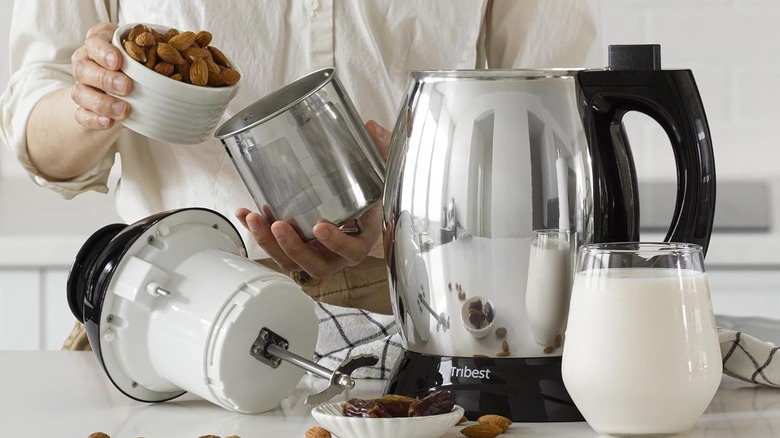
Whether you're completely dairy-free or simply prefer nut milk to drink, it's easy to find a wide range of alternative milk options at the store. But the nutrition label may include some additional ingredients, like sunflower lecithin and gellan gum, that you may not want in your drink. Making nut milk yourself lets you control exactly what goes into the recipe, including whether or not you add sugar. You can make it without a machine, but a machine typically speeds up the process and creates less mess. You might not have to soak the nuts for a long time, and you don't have to filter them with cheesecloth, which can be tedious. Depending on the machine you choose, you could have features like delayed start, hot settings, self-cleaning, and preset options.
Buying a nut milk machine can be a good idea if you drink a lot of milk alternatives — you can quickly make more when you're running low without a trip to the store. The results are often fresher tasting than store-bought options. If you're already making your own nut milk, you might upgrade to a machine if you want to free up some time and reduce how much work goes into the process.
Automatic cocktail maker to impress guests with perfectly mixed drinks
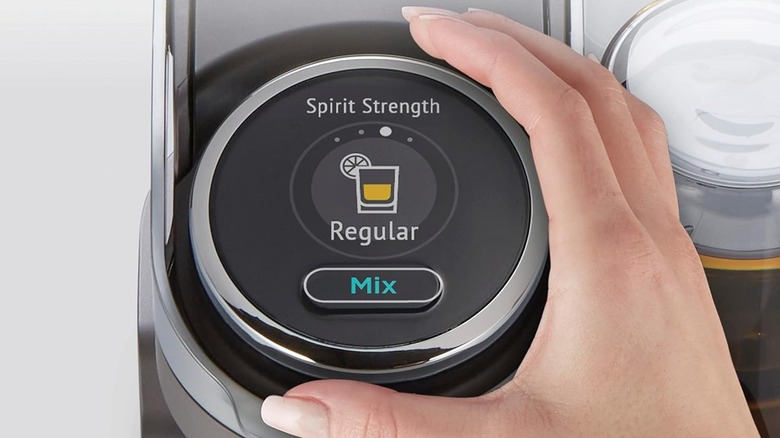
Keurigs are common in many homes, but home cocktail machines, like the Bartesian professional cocktail maker, aren't as common. The concept is similar to a Keurig — these cocktail machines have flavor pods with concentrated mixes for a wide variety of classic cocktails. You add various types of liquor (different models hold different amounts of alcohol), and the machine does the mixing for you. The result is a quick, simple cocktail that's consistent when it comes to flavor and alcohol amount.
There are many trendy beverage station ideas that will set your kitchen apart, but adding a cocktail machine could be a favorite if you love a good mixed drink and enjoy them frequently. It can be a great addition to your home bar, especially if you're always having people over for drinks — everyone can make their own drinks, and you don't have to worry about heavy pours that drain your spirits supply quickly. If you're not much of a cocktail drinker and rarely entertain, you likely won't want to invest the money in this often expensive appliance. It also requires ample space, which can be difficult to find if you live in a small home or don't have a dedicated bar area.
Countertop dish dryer to save time on hand-washed dishes
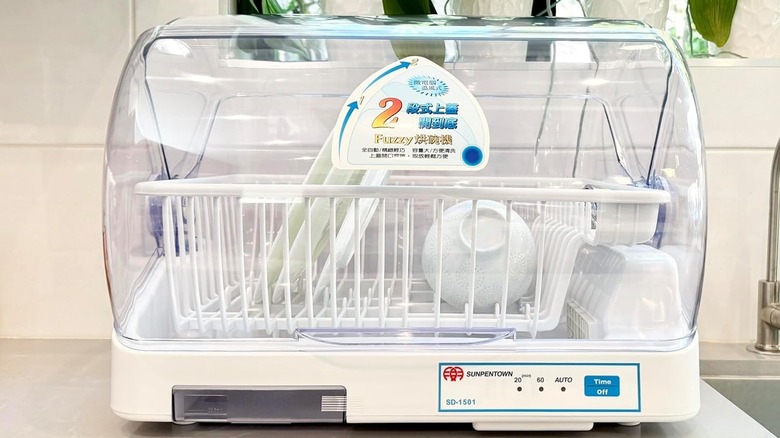
If you don't have a dishwasher (or simply prefer washing dishes by hand), you know it can be a pain to towel-dry dishes or wait for them to dry naturally. One option to speed up the process is to invest in a countertop dish drying machine. It's typically an enclosed unit that uses heat to dry wet dishes quickly, and some models also sanitize the dishes with the heat. They can be relatively energy-efficient and come in a variety of sizes and configurations, so you can match the machine to your needs.
This appliance isn't necessary in homes that primarily use dishwashers, but you might want it if you hand wash a significant amount of items. These units can also be beneficial if your home is on the humid side and your dishes take a long time to dry naturally. While they are relatively small, the dryers still take up countertop space when in use. If you don't have an alternative storage spot, it'll have to live on the countertop and cut down on your food prep space. The small size might also mean that not everything fits inside or you have to do multiple rounds of drying to get through a large load.
An electric knife sharpener to get crisp cuts every time
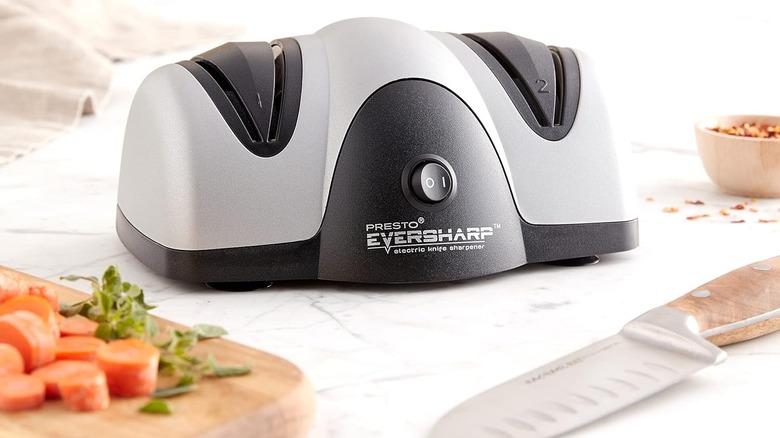
Sharp knives are safer than dull ones — they're less likely to slip and require less pressure to slice through ingredients. Plus, sharp blades speed up chopping and allow you to make precision cuts that look better in the finished product. Kitchen knives typically benefit from sharpening every one to two months, but you might choose to sharpen them more often to keep the edge extra sharp. An electric knife sharpener automatically removes part of the metal on the knife blade to create a sharper edge. You'll find different types of sharpeners, which may use abrasive wheels, belts, or stone wheels.
When comparing electric and hand-sharpeners for knives, consider your skill level and preference for convenience versus control. An automatic knife sharpener is simple to use and doesn't require knowledge of knife sharpening — ideal for a home cook completing basic tasks with an inexpensive or moderately priced set of knives. However, some pros recommend against using an electric knife sharpener because you lose control over the sharpening. These sharpeners tend to remove a lot of metal, which means your knife won't last as long. It could also weaken or ruin the blade. If you feel comfortable sharpening it manually, you can save money and have more control with a manual sharpener.
Drawer dishwasher for automatic cleaning in a small space
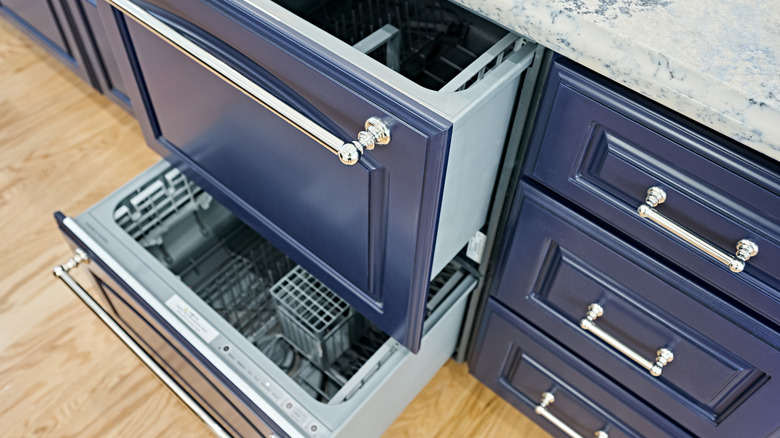
Drawer dishwashers clean your dishes automatically, just like a traditional dishwasher, but with a different configuration. Instead of a drop-down door and pull-out racks, each unit is a single drawer that pulls straight out. They typically come as single or double drawers, giving you flexibility in the size and setup. Single drawers add a dishwasher option when space is limited. If you choose two drawers, you can have them installed on top of one another or next to one another — this option gives you extra space with the option for different settings in each drawer.
Adding a single drawer is a way to squeeze a dishwasher into a small kitchen that doesn't already have one. If you entertain frequently, you might add a dishwasher drawer to your butler's pantry to supplement the space in your regular dishwasher. Some people simply prefer the look and functionality of the drawer and decide to replace a traditional model with a drawer dishwasher. However, there are hidden downsides to dishwasher drawers, including the size limitation when it comes to what will fit inside and the higher cost.
Pasta maker for easy, homemade pasta
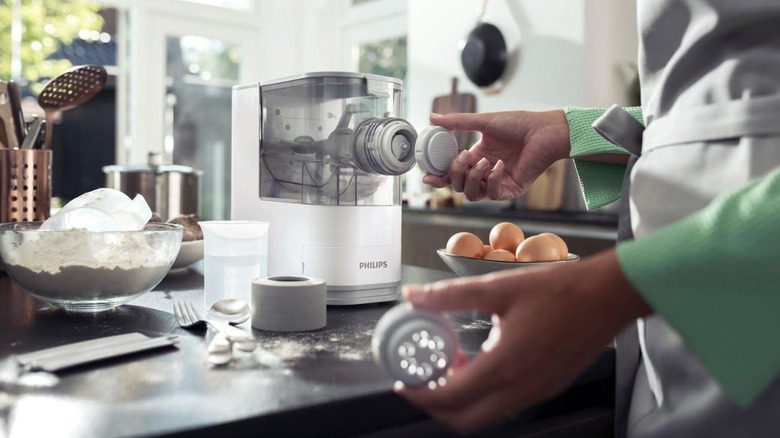
Fresh, homemade pasta beats the dried stuff in the box hands down. It's relatively easy to make homemade pasta at home, but it can be messy and time-consuming, even with a pasta rolling tool. That's why some home chefs opt for automatic pasta machines, like the Philips pasta and noodle maker. Most of the pasta-making process, including the dough mixing, kneading, and shaping, is handled by the machine, which pushes it through the selected disc to form the noodles. Your job is to guide and cut the noodles as they come out of the machine.
You don't likely need a pasta machine if you only make homemade noodles occasionally. Beginners or busy cooks who prioritize convenience may like the mostly hands-off approach of an electric pasta machine. It's also ideal if you want to make different shapes of pasta beyond basic spaghetti or fettuccine. You'll typically save time using an extruder over rolling and cutting pasta yourself. However, relatively dry dough tends to work best for homemade pasta, and that's not always easy to get with an extruder since it takes more work to push dry dough through the holes. If you prefer more control over your pasta dough, you may want to use traditional pasta-making methods.
Egg cooker to prepare eggs precisely
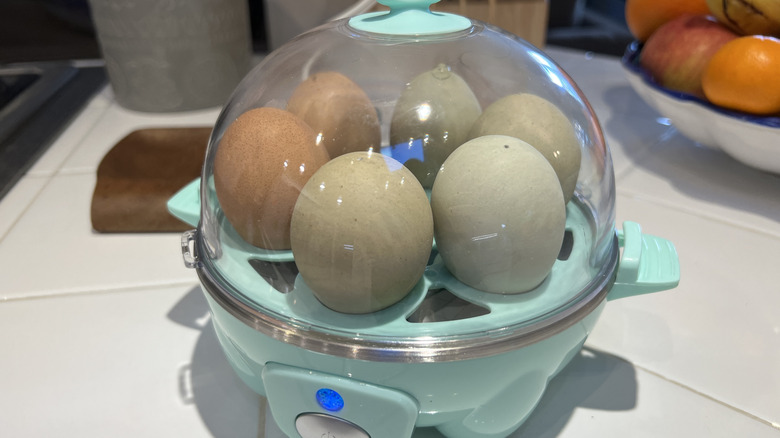
While cooking eggs is relatively simple, it can be surprisingly difficult to achieve just the right amount of doneness. Electric cookers use steam to prepare the eggs — you add water to a reservoir, and the machine's heating element turns it to steam. You typically control how cooked the egg is by adjusting how much water you put in the machine. Some models include accessories, like poaching trays and omelet trays, to allow for different results, still using the steam and heat as the cooking method.
You probably only need a separate egg cooker if you eat a lot of eggs. It can be a time-saving option for busy families because it cooks the eggs for you, so you don't have to tend to the stove nonstop. If you prep your meals, an egg cooker perfectly prepares eggs for the week while keeping the burners on your stove free for cooking other foods. Other home cooks appreciate the consistency of the results with an egg cooker — you can count on your poached, boiled, or scrambled eggs to come out the same every morning.
Pizza oven for restaurant-style crusts at home
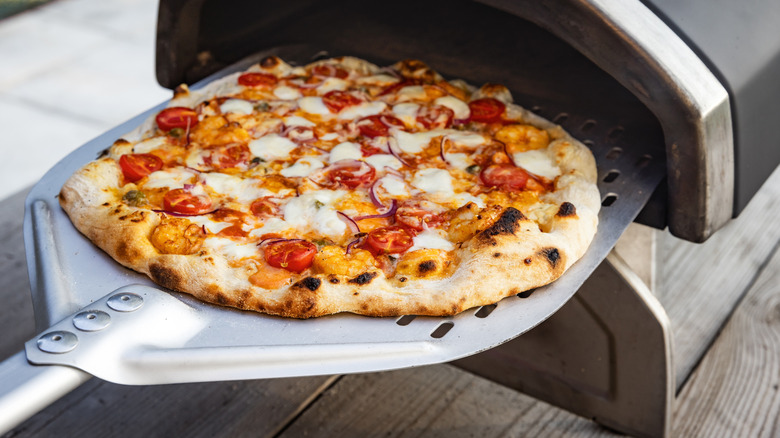
Pizza ovens have come a long way since the Pizzazz countertop rotating cooker. These days, you can buy ready-to-use pizza ovens that look like mini commercial pizza ovens you see at restaurants. While many models are powered by gas and meant for outdoor use (along with some that also use wood or charcoal), you can also find indoor electric pizza ovens that are ideal for year-round use. Many pizza ovens reach temperatures of 800 to 1,000 degrees Fahrenheit or higher, which creates more restaurant-style results than baking pizza in the oven.
A pizza oven could be a good buy if you struggle to achieve a perfect cook on pizzas in your regular oven, and like to make them regularly. Plus, it's the perfect way to impress guests with restaurant-style pizza pie. Even if you don't entertain often, you might like a pizza oven if you're a bit of a pizza connoisseur. If you're just a casual pizza eater who's fine with an oven-baked pie, this appliance might be a waste of money. Pizza ovens can be a splurge, often costing several hundred dollars. However, you can get good results from models in the lower end of this range, like the Chefman Indoor Pizza Oven.