

Signs You May Not Be Mopping Your Floors Enough
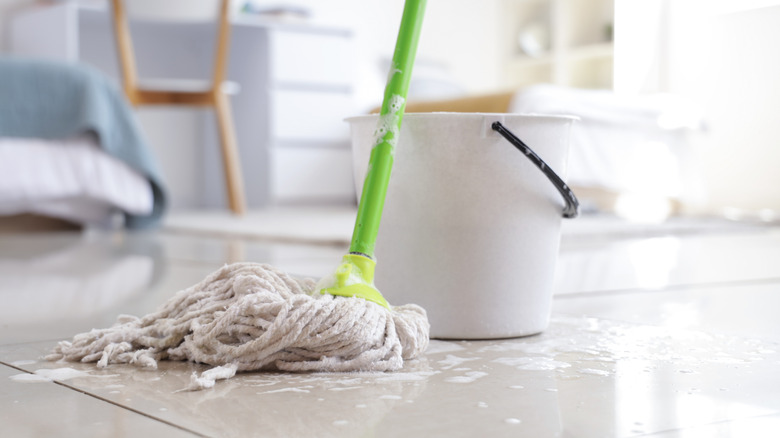
Mopping your flooring is a chore that takes effort, but it is a necessity to preserve its finish and shine. Depending on the flooring choice in your kitchen or all over your home, you might add mopping to your daily or weekly routine. However, if you have pets or a busy household, this cadence might not actually be enough, and your floors could require more frequent attention to stay clean. For starters, there are some physical cues that your routine is falling short, like feeling a gritty texture on your bare feet immediately after vacuuming, which indicates debris is becoming embedded in the surface. You can also try walking around in clean white socks — if the bottoms turn dirty within an hour, you have a clear sign that a deep mop is overdue.
If your floors look cloudy even after a cleaning, it's likely due to a buildup of fine dust mixed with old cleaning solution. Likewise, if you can see a dull "traffic lane" leading from the front door to the kitchen, the dirt is being ground into the finish and needs more frequent cleaning. A faint, stale smell that won't go away with air fresheners may mean that there is organic matter or pet dander trapped in floor crevices or along baseboards that needs to be cleaned with a good mopping. Keep in mind the essential mopping tips that will keep your floors looking like new, as they will also tell you if your floors aren't being mopped enough.
Tips for efficient mopping
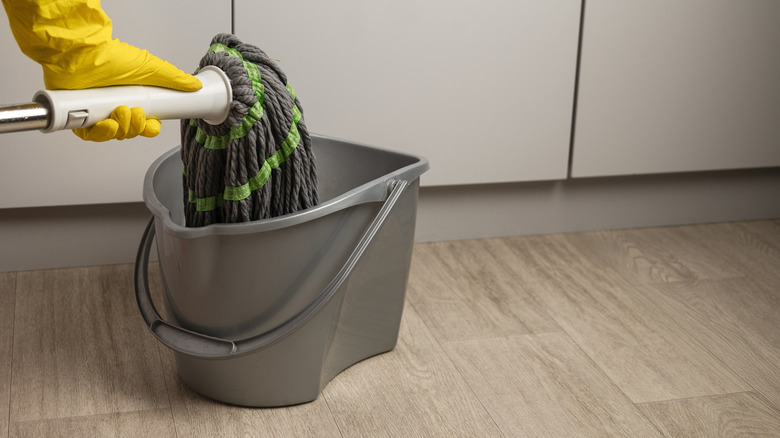
While it's essential to always sweep or vacuum your floors first before mopping, it is equally important to keep note of your mop water. If it's overly cloudy or dark after the first few passes, you are simply moving dirt from one area to another rather than actually removing it — if you don't, the residue will settle back into the surface and leave the floor just as dirty as when you started.
Mopping your floors is a great way to maintain a healthy and beautiful home, but knowing how to mop them will ensure you aren't doing more harm than good. Using the "two bucket" system will help ensure your floors are truly sanitized rather than just redistributed with grime. This means filling one bucket with your cleaning solution mixture and one with clean water. After dipping your mop in the soapy water, mop a section of the floor. Then, rinse the dirty mop in the plain water bucket before going back into the soap. This ensures you are only ever putting clean solution onto your floor instead of recycling increasingly murky and dirty water.
Many people think that mopping with sopping wet or oversaturated water is the best way to get it clean. However, excessive water is the leading cause of floor failure, especially for wood and laminate. When mopping, you should never see standing puddles behind your mop — always wring your mop out until it is only slightly damp to the touch. Using a Swiffer WetJet can change the way you clean by dispensing just the right amount of solution to avoid oversaturation and by trapping dirt in a disposable pad to prevent cross-contamination.
When you should mop your floors
Knowing exactly when to mop your flooring doesn't have to be a science — it comes down to a few factors. Tile flooring requires more upkeep than others, whereas laminate flooring is best maintained with dry sweeping and minimal damp mopping. Aim to mop tile and vinyl flooring one to two times per week, hardwood flooring every one to two weeks, and laminate flooring every two weeks. Keep in mind that if you have a particularly busy household filled with pets or children, you may need to increase this frequency to keep up with the extra dander, crumbs, and outdoor debris being tracked in.
There are some situations where you forgo the calendar and mop more frequently. Anytime you have a gathering of people at your home, like a party or holiday dinner, you'll want to mop shortly after the event ends. Invisible spills and increased foot traffic leave a film of grime, so mopping is essential to restore the surface hygiene. In the same sense, if it has been raining or snowing, salt and mud tracked into the entryway should be mopped immediately to prevent scratching the floor's finish. Finally, if you are doing any home demo projects, plan on mopping daily after work has wrapped up for the day, since even minor renovations create "micro-dust" that settles into crevices and cannot be removed by vacuuming alone.