

16 Modern Cleaning Habits That Aren't As Good As Old-School Methods
We may receive a commission on purchases made from links.
The machines and chemicals we use to keep our houses clean promise us better results, faster. But those who came before us often kept their houses just as clean without today's threats of toxic contamination or the risk of accidentally ruining something delicate because the machine was too rough. In fact, many of the tried-and-true, old-school cleaning methods were only phased out because people don't really have the time to do them, not because they don't work well. There are plenty of vintage cleaning rules that deserve a comeback.
Things like washing loads of laundry by hand or not using the dishwasher for everything, and especially not using harsh bathroom cleaners filled with chemicals instead of the classics — like soap and water. In modern life, it's a delicate balance between effectiveness and the time and money spent invested in the chore. So, while washing your entire household's clothes by hand would be a complete time suck, cleaning your favorite wool sweater this way might just add years to its life. Integrating these old-school methods into your life is all about moderation. Pick what works for you, and leave the rest.
Using scent sprays or sachets to mask odor in small spaces
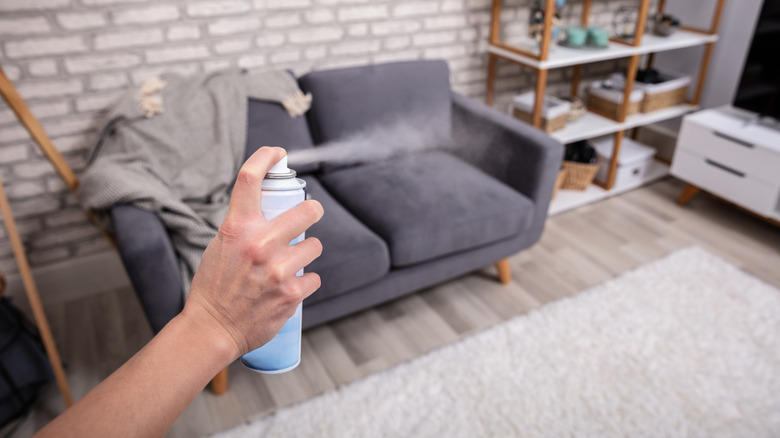
If your closet stinks, or one of your drawers smells a little funky, it's easy to just pop a scented sachet inside and hope for the best. You might even spray a chemical air freshener to help things along. However, these solutions often simply mask the bad smells. They don't always eliminate their source, which would require neutralizing the bacteria that are causing the stink in the first place.
An old-school hack that still works for smells in small places involves charcoal. Charcoal is very porous. These pores act as small pockets for scent particles to be trapped inside, effectively eliminating them. It works particularly well on smoky smells. "Use it like you would baking soda, and place it in bowls around the house for several days," Gina Peek, assistant director, Oklahoma State University Extension, tells PNP Global Supply. For the best results, "keep closet doors open, as well as other doors you may typically keep closed. Include kitchen and bathroom cabinets, too," she said. You can even rid your basement of that damp and musty feeling using this all-natural item.
Using specialized marble or natural stone cleaners
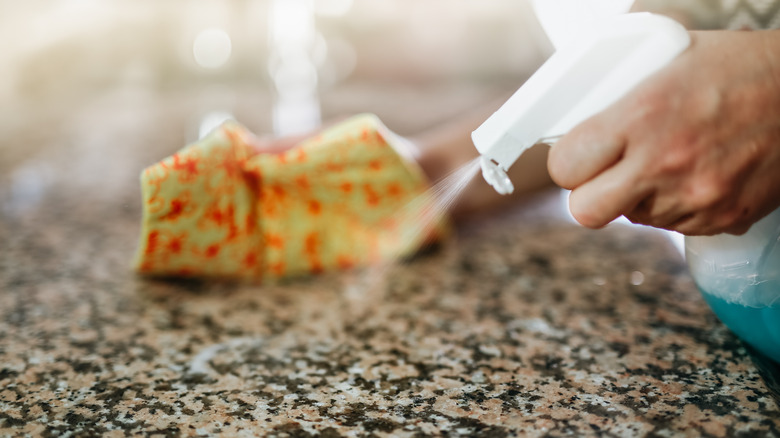
You don't need to buy fancy new wipes and sprays to clean your countertops. While the market is flooded with specialized cleaners, all proclaiming they are especially formulated for the marble or natural stone in your home, please know that mild dish soap works just fine for most of these surfaces and can keep them just as clean. Despite what marketing suggests, "stone-safe" doesn't always mean "stone-necessary."
You can use a mixture of warm, soapy water to keep these surfaces clean without shelling out for yet another cleaner to sit under your sink. With natural stone, what matters more for its longevity is that you are gentle while cleaning, and keep up with resealing it correctly, rather than just buying the "perfect" products and not putting in the work. For everyday messes, simple cleaning methods are often gentler and more effective than specialty products designed for heavy-duty use.
Using stainless steel wipes
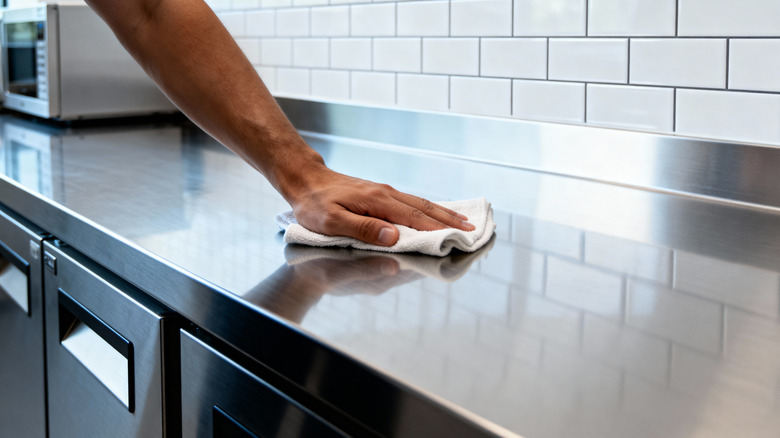
Purchasing specialized products for each area of your kitchen, like stainless steel wipes for the appliances, can easily lead to waste. While stainless steel wipes are marketed to remove streaks and smudges, you don't really need them. Cutting down on the number of expensive, disposable products in your home is always a good idea. If something old-fashioned works, and doesn't have a long list of harmful ingredients, it's much better to stick with something tried and true.
In this instance, you can usually achieve the exact same outcome with some mineral oil. Since you will be using it in the kitchen, make sure it's food safe. You can mix it with water and use a microfiber towel. Just wipe in the direction of the steel's grain for the best results. The oil forms a barrier over the steel, eliminating smudges and preventing moisture from causing any damage.
Using hardwood floor cleaners
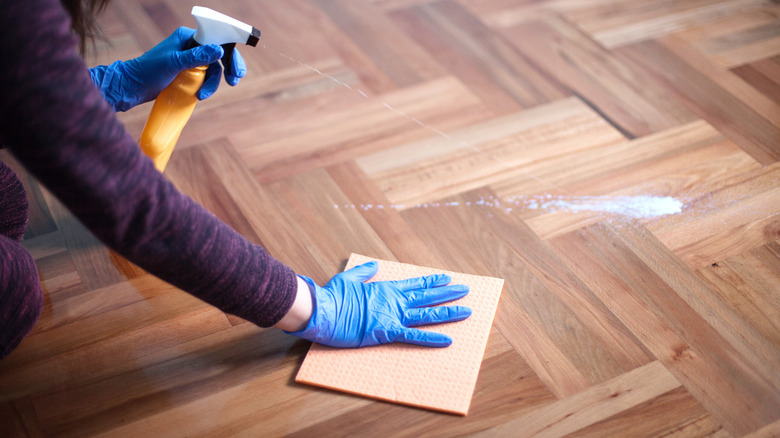
The same can be said for specialized wooden floor cleaners. Modern cleaning habits have evolved to tell us we need a different cleaning product for every single surface in our home; however, this isn't true! Some of these wood-specific cleaners tend to leave behind a film that dulls your floors over time with typical use, anyway — making them less than ideal.
Instead, sticking with the classics is always going to be your best bet. After thoroughly vacuuming or sweeping, you can use vinegar with water, or a drop of soap with lukewarm water to clean your floors. Dilution is always important: Aim for 1 cup of vinegar or less to 2 gallons of water. For concentrated dish soap, you only ever need a few drops.
Using harsh oven and stove cleaners
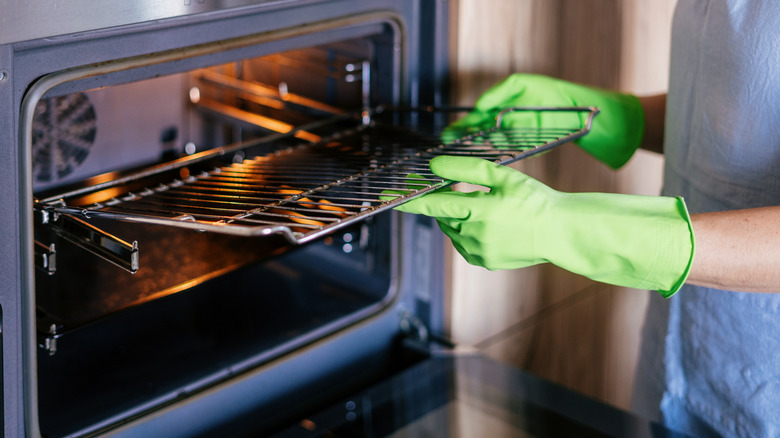
Most ovens are self-cleaning these days, so you don't need to use harsh oven and stove cleaners to keep your appliances clean. Oven cleaners are typically super caustic, being highly, highly alkaline, with pH levels ranging up to 14. This means they can burn your skin if they come into contact with it. Plus, these cleaners can even damage your self-cleaning oven's enameled interior, making it easier for food particles to adhere, and harder for the self-cleaning function to deliver results.
Yet, you still need to get last night's dinner off the bottom of the appliance! Regularly wiping out your oven interior can help ensure that grease and food splatters don't get baked on and become extra hard to budge. And if they do, pumice stones are an old fashioned cleaning tool that can lift stubborn residue, thanks to their abrasive nature. They are also completely non-toxic, as you can even use them for skincare (just not the same one as your oven, obviously).
Using harsh bathroom cleaners
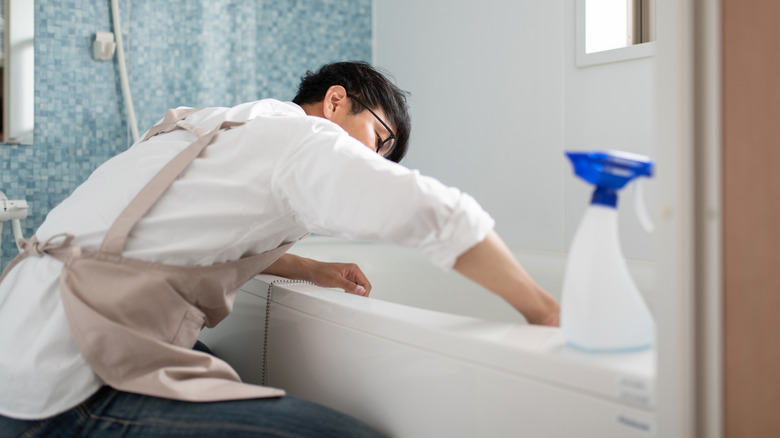
Using classic cleaners in the bathroom, like bleach, works just fine. There is no need to purchase outlandish creams and gels specially formulated for the bathroom to remove mildew or stains from human use. That is, if your toilet constantly smells bad or your bathroom sink stinks, you don't need to reinvent the wheel to find a fix. Instead, you just need to focus on eliminating mold and other bacterial buildup with a classic option like borax.
If you need a cleaner with a bit of grit, to pair with some elbow grease to really work on the tougher stains or long-held mildew growth, try something like the Harris Borax Powder Hard Water Laundry Booster. It works well for cleaning because it is so alkaline. "The pH of borax is 9.5 versus 8 for sodium bicarbonate [baking soda], meaning that borax is more alkaline," Co-medical director of Poison Control, the National Capital Poison Center, Dr. Maryann Amirshahi, told Martha Stewart. "The more alkaline a product, the harsher it is." It reacts with mildew and rust stains, but it's also a naturally occurring element, making it significantly less toxic than other cleaning alternatives.
Using a Swiffer wet mop
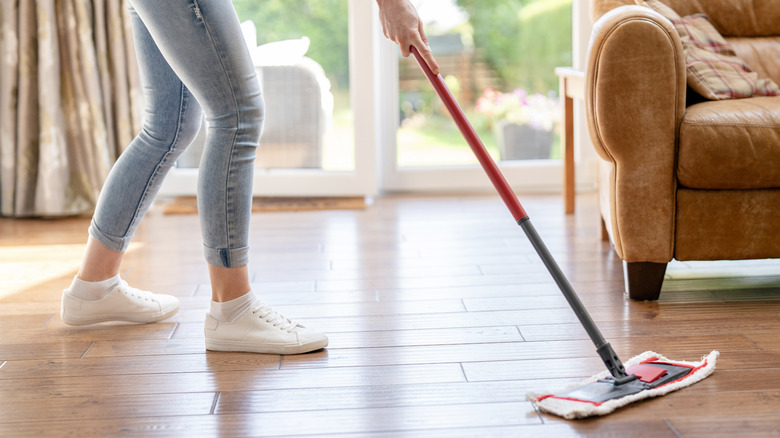
Using a Swiffer wet mop seems like the perfect modern solution for mopping. They are lightweight and easy to store, and you don't have to deal with all the wringing out of the mop — or the yucky, dirty water. And sure, the Swiffer is great for a quick clean or very obvious sticky stains, but it's not strong enough to remove all the dirt from your floors.
Really, there isn't much of a better option than a classic mop because you can get more pressure to really lift the dirt. The key here, as it always has been, is friction. Which is why the only thing that is even better is getting down on your hands and knees and scrubbing! You should use something that has grip, like a Scrub Daddy or Amazer Scrub Brush, but is still soft enough that it won't cause damage to the floor with all the elbow grease that you apply.
Shampooing wool rugs
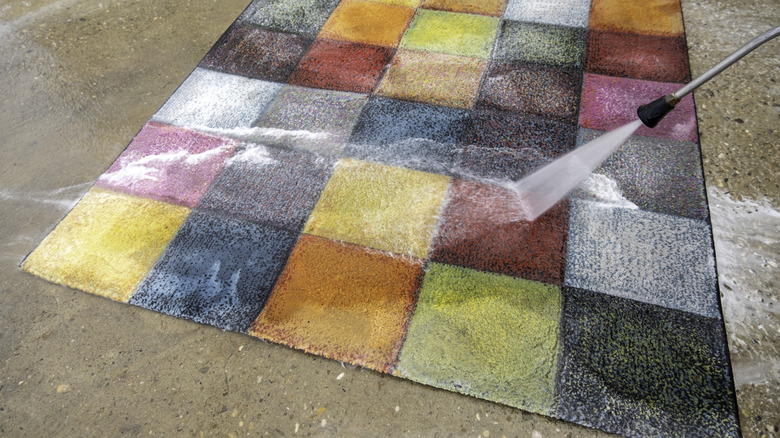
You might have seen videos of people taking a rug that's caked with dirt and rinsing it dozens of times until it looks as good as new. It requires a lot of time, effort, and of course, water. Yet there is an older, more efficient way to do this. One which doesn't involve soap and liquid water at all, but will only also work if you live somewhere with a chilly climate.
In Europe, an old custom is to take your natural fiber rugs outside in the snow and wash them that way. Wait until it's cold enough that the snow doesn't melt when you touch it. Then, use a shovel to cover the rug in snow. Leave it for about half an hour, then flip it over and repeat, beating each side thoroughly. Then, bring your rug into your enclosed porch (or garage) for it to dry. Brushing and hitting the rug helps remove caked-in debris. The snow also freezes any oils, turning them into solid bits that are easier to brush away.
Just vacuuming rugs to remove encrusted dirt
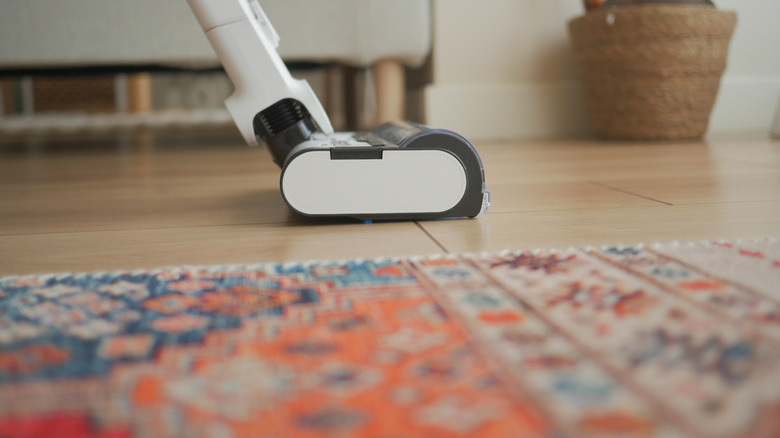
It's very important to vacuum your rugs; don't read this headline wrong! When you run the vacuum on the rest of your flooring, you should always include rugs in your routine, too. Yet if you take your rug outside after the chore is over and give it a good shake ... you'll see how much dirt even the best vacuum typically leaves behind!
This is especially true of any rug that has intricate braids — the dirt really loves getting stuck down in there. Sometimes the suction of the vacuum just can't get between the fibers to pull it out. Instead, in addition to vacuuming, take a page out of your great-grandmother's book and give your rug a good beating. You can rest it over a clothesline, the fence, or even a board balanced between two sawhorses. You can beat it with a stick, a bat, or a specially-designed tool, like the Rattan Carpet Beater, which mirrors the antique ones in material and design.
Using scent sprays on rugs
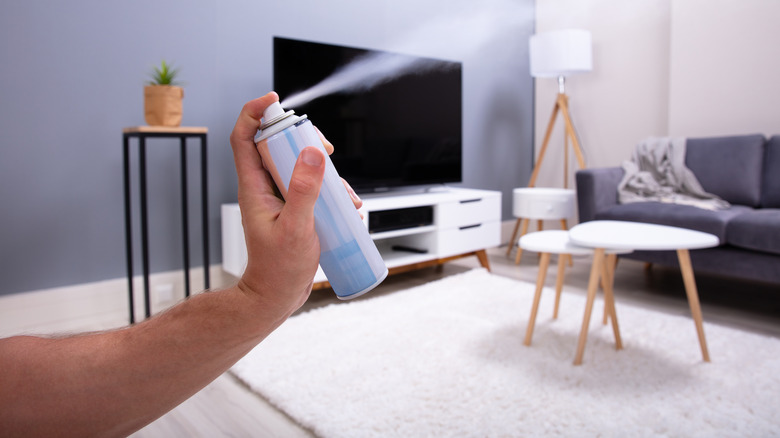
If your rug is too big to fit in your washing machine, or if it's a speciality rug that can't be washed in a machine at all, you might feel tempted to just ... not wash it. If it gets a little stinky, you'll just spray it with air freshener, vacuum it, and hope for the best. And while these sprays might temporarily mask the smell of ground-in dirt or pet dander, they aren't getting rid of anything at all.
Instead of using a modern spray, sprinkle baking soda on your rug. Let it sit overnight, then vacuum it up in the morning. Baking soda has an alkaline pH, meaning it is a base. It can help neutralize bad smells if they are acidic (such as pet urine). A caveat, however: Its fine particles can clog filters and break your vacuum over time. So, it's fine to do this a few times a year without worry, but if you plan to do this regularly, then it's best to invest in a shop vac, like the Craftsman Wet Dry Vac, instead.
Using bleaching products to whiten clothes
If you have pit stains on your favorite white shirt, you might be tempted to just soak the fabric in bleach and call it a day. After all, this is what it's for, right? However, using chlorine bleach on biological stains like sweat can actually make them worse! When you apply chlorine bleach to fabric that has antiperspirant residue, it can oxidize the residue spots, turning the stain a yellow-orange that may be permanent.
Instead, it's better to rely on tried-and-true methods of cleaning, like vinegar or hydrogen peroxide. For the best results, create a mixture that is equal parts hot water and white vinegar. Soak a small towel in the mixture, then use it to cover the stained area with the liquid. Let it sit, like you might with pre-wash, then wash the item as you regularly would. This works because vinegar contains acetic acid, which acts to break apart the chemical structures in many stains, turning them into substances that water can wash away more easily.
Tumble drying linens for a quick fix

Many places around the world still prefer to line-dry most of their laundry. There is a good reason for this, too! Using the sun and air to dry your fabrics means that your items will smell fresher and last longer. Line drying can mean less pilling, and it also reduces the risk of fabrics shrinking, as there isn't any high heat involved. Plus, the high heat of the dryer can fade color and shrink fabric. We've all accidentally ruined something we loved by putting it through the dryer!
Line drying laundry gets rid of this risk, although dark fabrics might still do better on a clothes horse inside. You can easily pick up one of these, like the Amazon Basics Foldable Portable Laundry Rack, to prevent any bleaching from the sun. One caveat, however: Some things are better tumble-dried, or else they get too stiff, like towels.
Using fabric softener when doing laundry
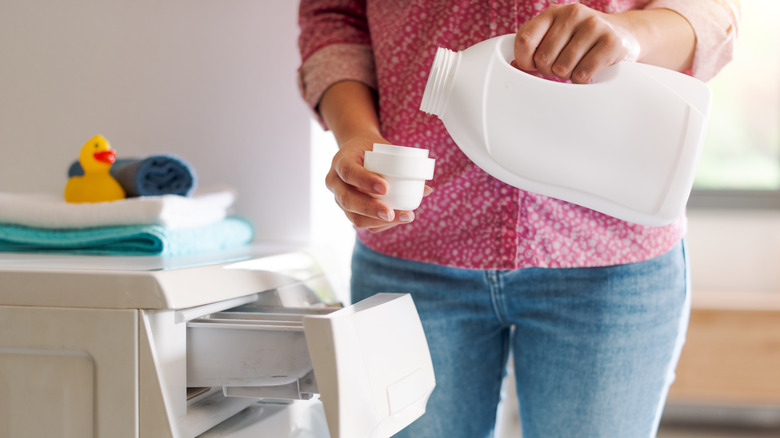
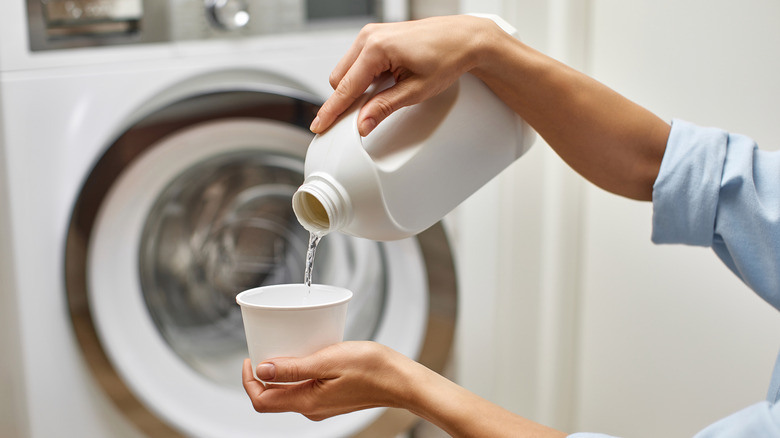
While fabric softener can feel like an essential part of a good laundry routine, you might actually be causing damage to the fabrics with too much softener. "Not only can it irritate sensitive skin, but it can also leave a layer of residue on your clothes and reduce the absorption of your towels," laundry expert Rich Handel told Consumer Reports. And no, switching brands isn't going to help. Fabric softeners only work if they are able to leave surfactants on your clothes, as this coating is what makes things feel softer.
Instead, it's better to add a small splash of white vinegar during the rinse cycle. Because vinegar is acidic, it can help balance the pH of the water in your machine, keeping fabrics softer. However, you might not want (or need) to use vinegar every time you do a load of laundry, as it can be corrosive, especially on things like rubber and elastics. Use it on loads that usually need some softening, like towels or bedsheets, and don't add too much.
Using dryer sheets to freshen clothes
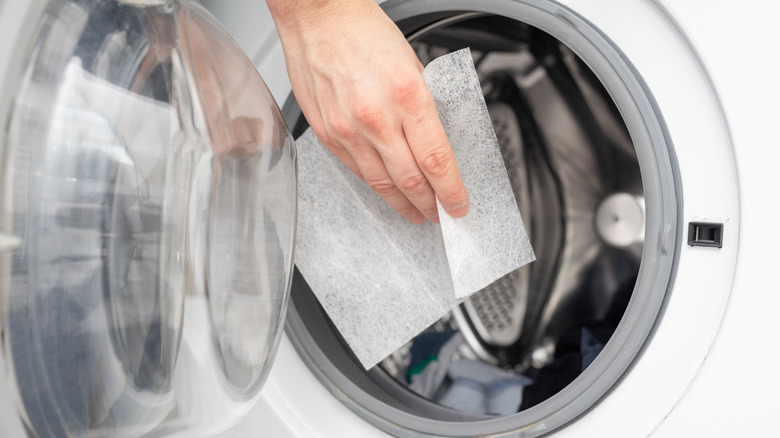
Dryer sheets are supposed to make your clothes smell a little better and eliminate static. But, they may leave your towels coated in an oily substance that can render them less absorbent over time. Dryer sheets can also contain compounds that irritate sensitive skin. In this instance, reverting to the old-school cleaning methods is more about keeping the sheets' film off your towels and clothing.
Instead, you can ditch dryer sheets for these alternatives. Wool dryer balls (like the Gnvop dryer balls) are affordable, reusable, and do a great job of pulling static from clothes, just like dryer sheets are supposed to. There is also a clever scented paper towel hack in which you can use essential oils on the paper to make your laundry smell nice, just like a laundry sheet.
Using your washing machines for delicate items
One study in the 1940s found that the introduction of modern appliances to laundry reduced a formerly eight-hour chore down to less than one. However, not every single item of clothing will benefit from this time-saving method. Sure, all modern machines have a setting for "delicates" on their dials, but sometimes, this still isn't delicate enough.
The reason old-school hand washing is better than a washing machine for the most delicate of items is that you have complete control over the vigor applied to the fabric. For special care clothing items, the gentler, the better. Garments like wool or cashmere sweaters, and sensitive fabrics like real satin or silk are best given the white glove, handwashing treatment. Things like pleated skirts and swimsuits can also take a beating in the washer (with pleats softening and the elastic in swimwear losing its stretch).
Using a dishwasher for everything
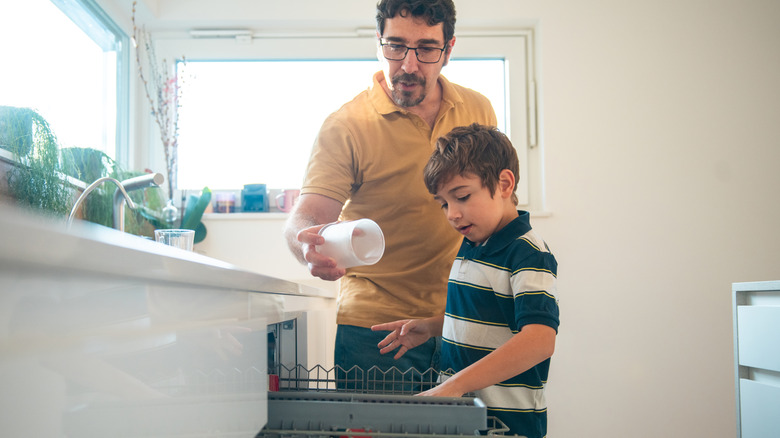
Yes, using a modern dishwasher tends to use less water than washing your dishes by hand. It can also save you plenty of time, as it's a chore that can do itself in the background while you take care of other things. However, just like with laundry, there are plenty of dishes that will last much longer and look better, too, if you don't run them through the dishwasher. It's happened to all of us: The heat of the rinse cycle warped a thin plastic dish, and your fancy cutting knife was dulled.
For the best results, leave these items out of the dishwasher to avoid ruining them: Stainless steel, wooden utensils, laminated cutting boards, aluminum, kitchen-block knives, and insulated cups. The harsh environment of a dishwasher can weaken the laminated boards, causing them to prematurely break, and its intensity will dry out wooden spoons and bowls. They'll splinter much sooner! Not only this, but even items like glassware with delicate components shouldn't be put in the dishwasher because small handles or stems could be broken.