

15 Different Types Of Bedding (& The Best Ways To Wash Them)

We may receive a commission on purchases made from links.
Your bedding plays a far more important role in sleep quality than you might think. It's not simply about cleanliness or softness; the type of sheets, pillowcases, and duvet covers you choose can greatly impact temperature regulation, moisture control, and skin health. This is because different fibers, weave structures, and thread counts work together to make each bed linen unique. On top of that, washing your bedding shouldn't be a one-size-fits-all process, as each material and weave responds differently to heat, agitation, and detergents. This is especially crucial because washing bedding incorrectly can ruin its fibers and lead to pilling, shrinkage, and a loss of performance over time.
Knowing how to wash and maintain your specific type of bed linen is one of the biggest secrets to keeping your bedding fresh and clean. This ensures sheets retain comfort, appearance, and durability. You should always check your bedding's label for special care instructions, including whether the fabric is "washing machine safe" or not. To keep your sheets in pristine condition, wash them every week. However, if you're a hot sleeper, it's recommended to wash them twice a week. It's also important to pretreat stains before washing your bedding to prevent settling oil stains. Pay attention to the washing temperature, as overheating can ruin the integrity of certain fibers. Most bed linens do well at 104 degrees Fahrenheit and lower, which can also prevent them from shrinking. If you dry your sheets in the sun, turn them inside out to prevent UV rays from causing discoloration.
How to care for upland cotton
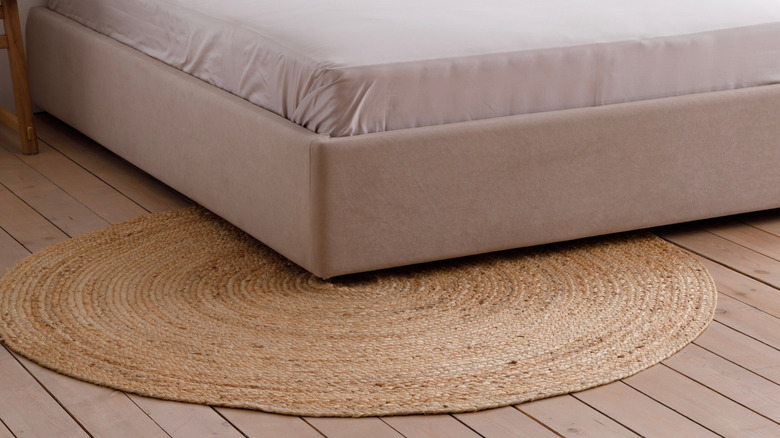
The most commonly used cotton for making bedding is Upland cotton. It is extremely affordable and performs fairly well when compared to other types of bedding. If the label on your sheets says "100% cotton," it's highly likely to be Upland. This type of cotton bedding is easy to care for and can usually be machine-washed in warm water. Using a mild detergent can help maintain the softness as well. However, it's important to avoid high-heat drying to preserve fiber integrity.
Using luxurious pima cotton bedding
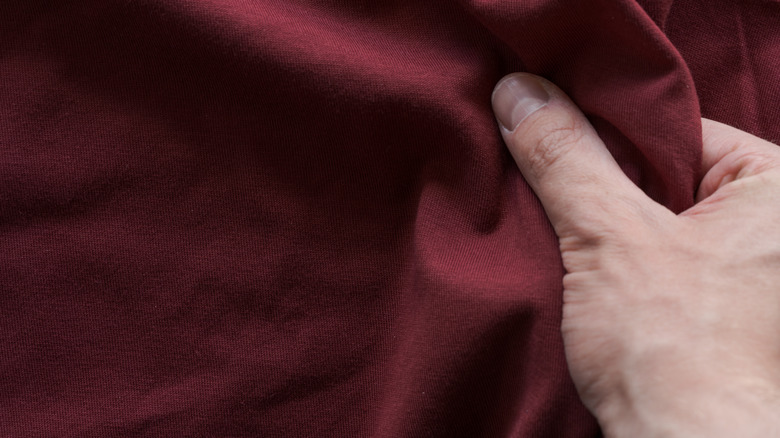
Pima cotton is considered a step up from Upland cotton due to its long fibers. These fibers create smoother, softer sheets that are more resistant to pilling and wear over time. Pima cotton bedding is also extremely breathable, comfortable, and significantly silkier than standard cotton. The main downside is its price. Because of its high durability, you can machine-wash pima cotton sheets as high as 140 degrees Fahrenheit without any damage to its fibers. When you machine-wash this bedding, try to always load it alone and avoid heavy-duty cycles and hot water. It's also best to use gentle detergents and dry on low-heat settings.
Caring for Egyptian cotton bedding
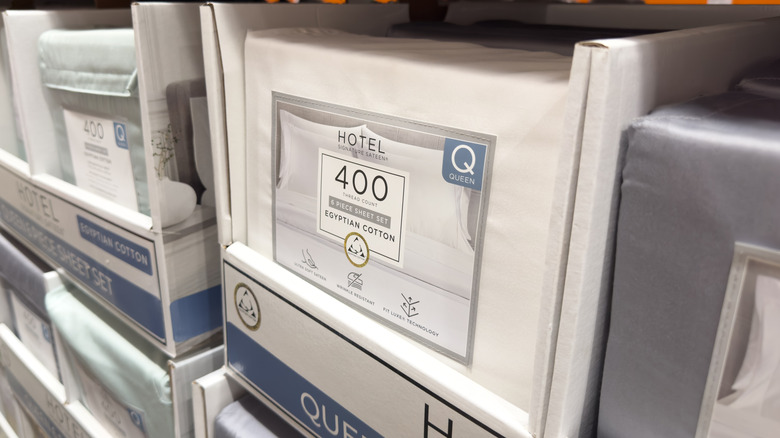
Another premium cotton bedding material with extra-long fibers is Egyptian cotton. Although similar to pima cotton, it is much more durable. The high quality of Egyptian cotton makes it a better buy for bedsheets than regular cotton. However, one major drawback is that many inauthentic products are labeled as Egyptian cotton, so you risk overpaying for lower-quality sheets. You should wash Egyptian cotton at a maximum of 104 degrees Fahrenheit to maintain its softness. You can use a washing machine, but it's best to use a gentle wash cycle with minimal load and pH-balanced laundry detergent, like Heritage Park's Silk & Wool Detergent. Always shake the sheets hard before putting them in the dryer to prevent wrinkling.
How to care for percale bedding
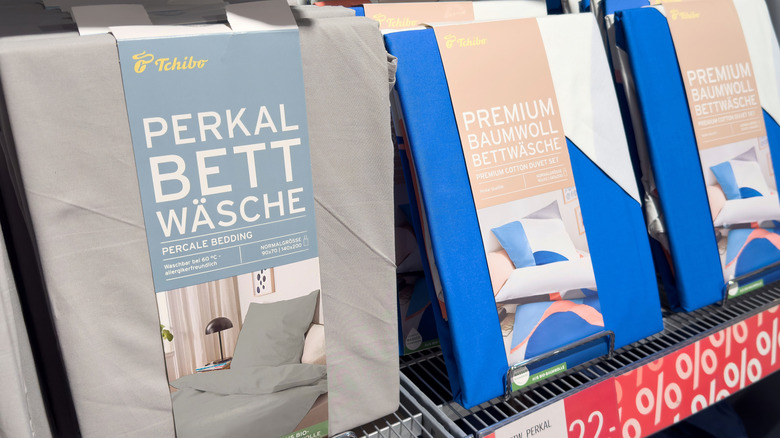
Percale bedding refers to a specific weave rather than a material. You can identify it by its tight, one-over-one-under weave that creates a crisp sheet with a matte finish. Traditionally, percale bedding is made from cotton, but it can also be made from other natural or synthetic materials. These sheets can wrinkle or shrink if not washed and dried properly so use lukewarm or cool water and avoid fabric softeners. Your sheets might also benefit from using a dryer ball to ensure they dry properly without static or wrinkles.
Maintaining the shine of sateen bedding

Another unique cotton bedding weave is the sateen, which is specifically designed to make beddings with the look and feel of satin or silk. However, they are usually made from cotton and could last for years without requiring delicate handling, unlike satin or silk. They also feel soft and luxurious, but sacrifice some temperature regulation. To maintain the sheen finish of your sateen sheets, always use a delicate cycle when machine-washing on cold. It's also best to avoid using bleach or fabric softeners. Your fabrics would also benefit from air-drying them inside out to protect against discoloration and wrinkles.
A warm flannel bedding for colder months

Flannel is another weave that is also typically made from cotton. However, this weave is special in that it has been brushed to create a soft, fuzzy surface that can trap heat. While flannel is extremely cozy, it can feel too warm for use in warmer climates and may pill over time. If your flannel sheets are stained, pre-soak them in an enzyme stain remover and leave for five minutes, then use a gentle cycle and lukewarm water with mild detergent. Never bleach flannel sheets or use fabric softeners, as those products would only build up on the surface of the fabric and may cause allergies or skin discomfort.
The perfect wash for jersey bedding

Jersey bedding is knit rather than woven, giving it a soft, stretchy feel. This type of bedding is usually more absorbent than most cotton blends. It is also affordable and easy to maintain. Compared to flannel, jersey sheets are lighter and more flexible, but provide less warmth. When washing these sheets, avoid mixing them with rough items and wash them inside out to prevent pilling. Use a mild detergent and refrain from using chlorine or bleach to maintain the fibers' durability. It's also best to wash them on low heat and avoid using a tumble dryer. This will help you protect your jersey bedding against shrinkage.
Different bamboo beddings and their care
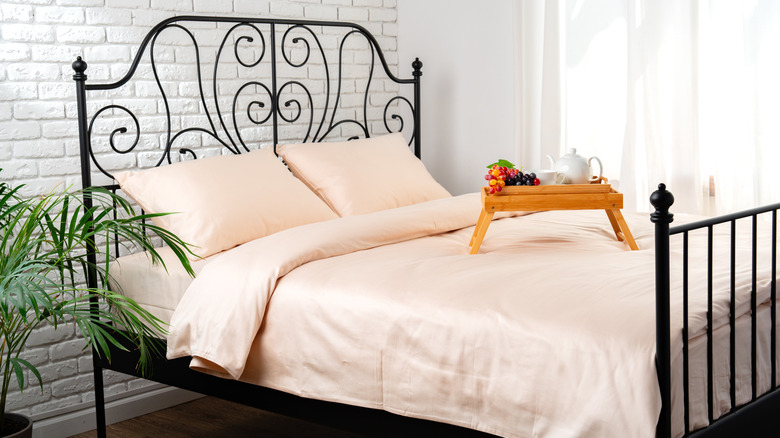
When we talk about bamboo bedding, we don't often mean a bedding made from raw bamboo fibers, even though those can exist. Instead, we're talking about two similar types of synthetic fibers made from the plant's cellulose or its pulps, called rayon and viscose. These sheets are known for being hypoallergenic, moisture-wicking, and cooling. They also feel very smooth and soft against the skin. The downside is that they can also be delicate and prone to damage from heat. It's important to wash bamboo sheets in cold water at about 85 degrees Fahrenheit and with a mild liquid detergent.
Caring for linen sheets
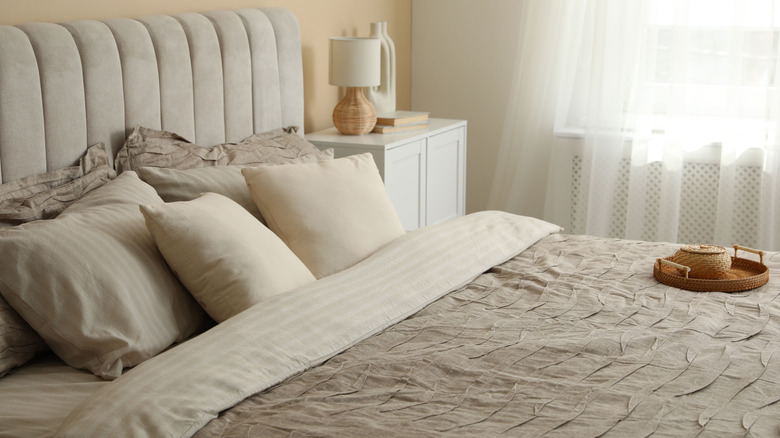
Linen is one of the oldest known fabrics in the world. The best part about linen sheets is that they are lint-free, non-allergenic, and can repel insects. It also keeps sleepers cool by allowing air to circulate freely and absorbing moisture. This material is generally considered one of the best types of bedsheets to use. Linen gets more comfortable with every wash due to the dissolution of pectin in its flax fiber. However, it's best to avoid high temperatures and aggressive drying techniques when washing your bedding to preserve its size and shape. It's also best to hand-wash linens, but you can definitely machine-wash them cold with mild detergent, too.
How to carefully wash natural silk bedding
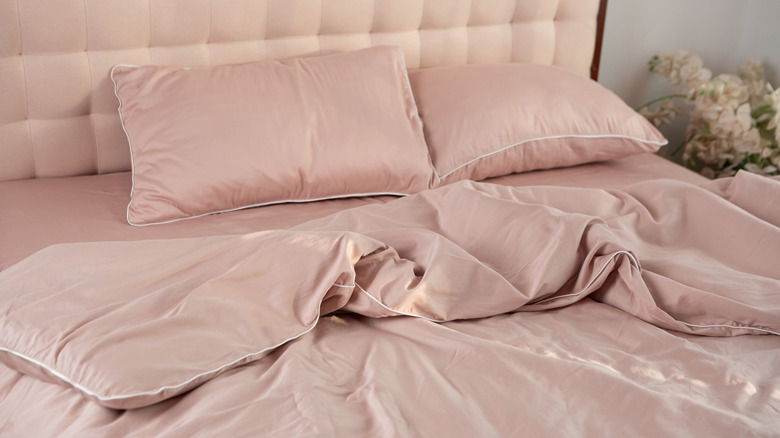
Silk is well known for its luxurious feel and appearance, but its properties as a bedding go far beyond that. Silk sheets are naturally hypoallergenic and can greatly improve sleep quality. They are especially gentle on skin and hair. However, silk is not readily available for everyone, and it's quite an expensive choice with a long list of care requirements. It's easily damaged by heat, harsh detergents, and agitation. That's why hand-washing these sheets with a silk-safe detergent is essential for proper maintenance. It's also best to air-dry your sheets indoors to avoid sun damage.
Washing the less-expensive satin option
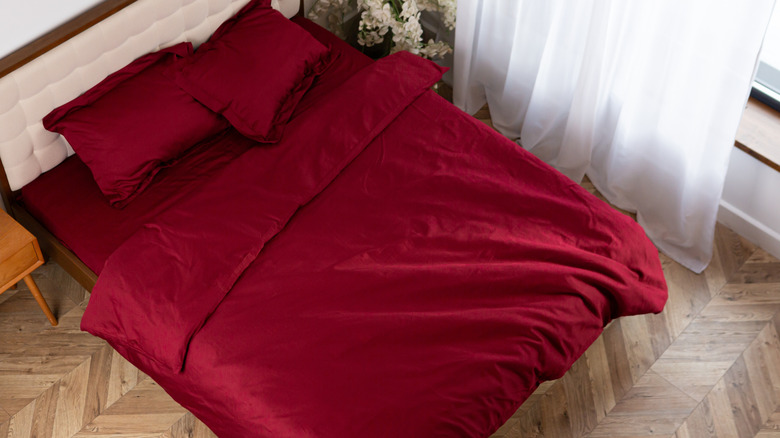
Having similar physical properties to silk, satin sheets are a more affordable option for those seeking the luxurious shine of silk for their bedding. Satin bedding has a glossy surface and smooth feel that reduces friction against skin and hair. Unlike silk, you can machine-wash satin bedding in cold water on a gentle cycle and avoid high-heat drying. If time allows, it's beneficial to air-dry these bed linens while avoiding any direct sunlight to help eliminate fading.
How to maintain wrinkle-free twill bedding
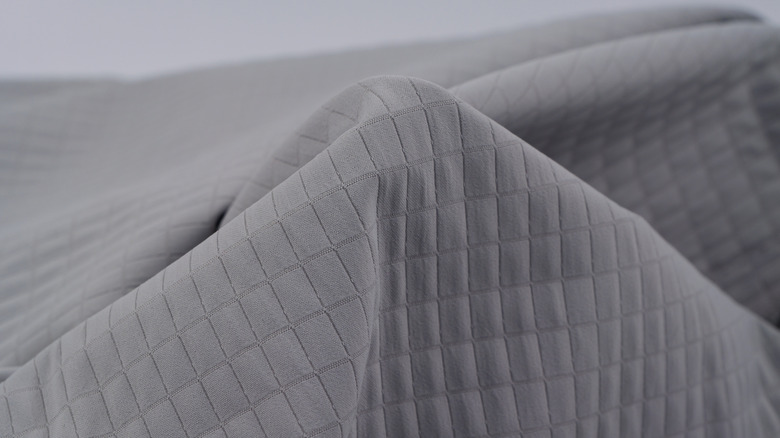
Twill bedding features a diagonal pattern with a dense structure that makes the fabric more resistant to wrinkling. This material is slightly heavier than most bedding and has a subtle texture that holds up well over time. While twill sheets are suitable for use in both the warmer and colder months, they may not feel as soft as other bedding materials. These sheets are low-maintenance and can be washed and dried like regular cotton bedding. However, using mild detergent and cold water can help you prevent shrinkage and fading.
Maintaining your lyocell bedding for best moisture management
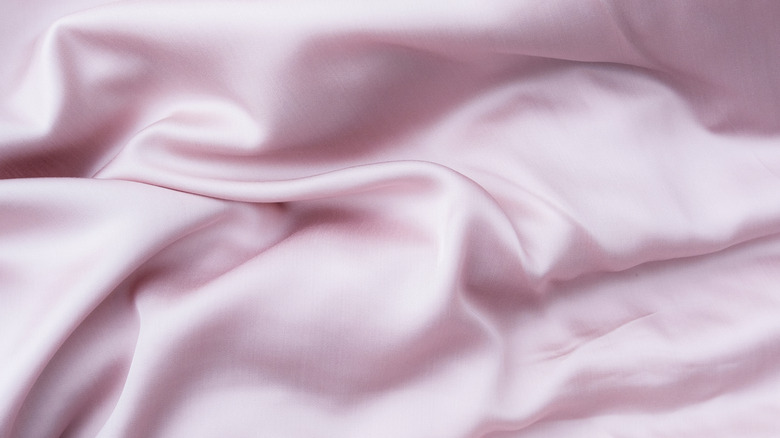
Commonly known by the brand name Tencel, lyocell is another bedding material that is made from wood pulp using a controlled manufacturing process. These sheets are soft, breathable, and highly effective at moisture management. Lyocell fibers are strong but sensitive to high heat, which means that washing them in cold water inside a laundry bag can be great for maintaining this bedding. However, you should use a full cycle and deactivate water-saving settings to ensure that your bedding is getting thoroughly cleaned.
Patterned dobby bedding care
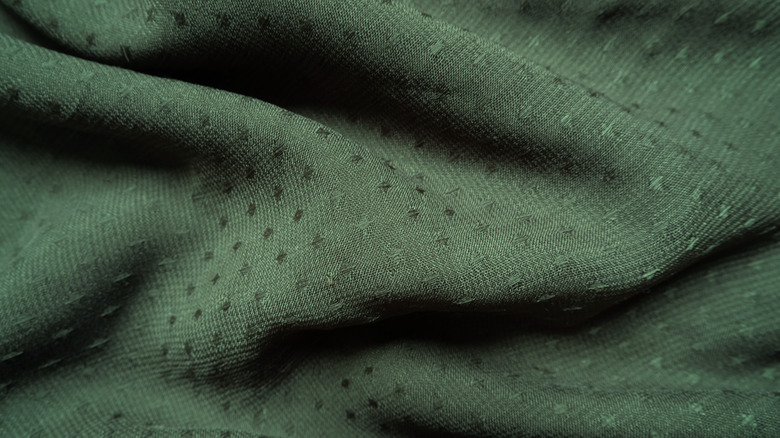
Dobby bedding is a unique type of bedding defined by its small, woven geometric patterns that are built directly into the fabric rather than printed on the surface. This design adds texture and visual depth to the sheets. Like many types of woven fabrics, dobby bedding is commonly made from cotton, though other blends are also used. This bedding type tends to be breathable and durable thanks to its tight weave. You should wash dobby sheets exactly as the label instructs because care can vary greatly if they contain delicate fibers like silk. Whenever possible, try to hand wash your dobby sheets and air dry them flat in a shaded area.
Taking care of microfiber bedding
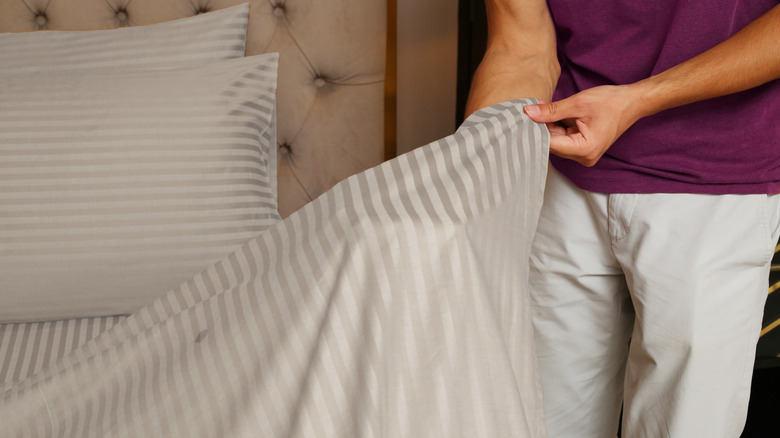
Microfiber and polyester fibers are sometimes used interchangeably. This is because microfiber is essentially a finely woven polyester fiber. Sheets made from this fiber are lightweight, wrinkle-resistant, and very affordable. They also last longer than cotton and don't stain easily, which is why they are a great choice for kids' bedding. The fibers in microfiber bedding can melt when subjected to high temperatures, which is why it's best to wash them in cold water and to dry them on the lowest heat setting. You'd also benefit from washing these sheets alone, as they can pick up lint from other fibers during washing.