

13 Factors That Can Determine Your Home's Resale Value
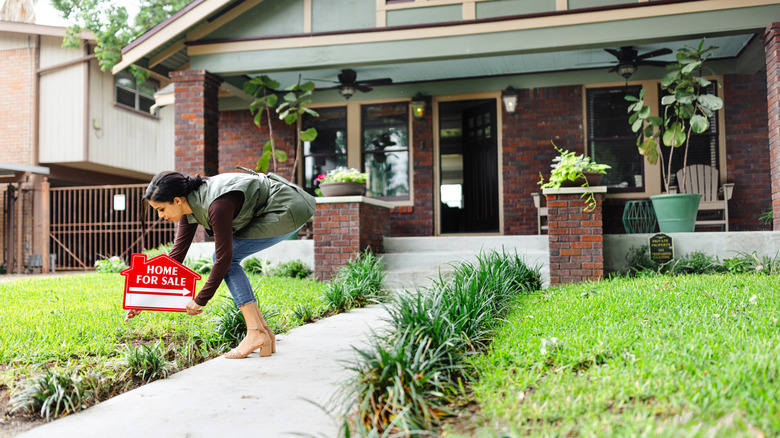
There are many factors that affect the value of your home, and quite a few are beyond your control, like the neighborhood, school district, and local amenities. Others, however, are in your direct control. If you've put off most of the maintenance for a few years and the house is obviously tired and showing signs of neglect, it won't command the same resale value as the house next door that's identical to yours but has been well cared for.
Appraisers and real estate pros don't generally guess at pricing. They account for the wider market conditions and the other elements you can't control, and then factor in the current state of your property, including maintenance, layout, finish, curb appeal, energy efficiency, landscaping, and many other elements to suggest a fair resale price. The price a potential buyer is willing to pay is influenced by so many individual factors, so it makes good sense to do whatever you can to improve your home and maximize its perceived value.
Overall market conditions and interest rates
However amazing your house is, the overall market conditions still affect resale value. Mortgage rates, for example, determine how far a buyer's budget will stretch and thus how much they can afford to pay for a home. So, in a "seller's market", interest rates are low, which means more buyers qualify for mortgages with more favorable rates. At the same time, inventory, or the number of properties on the market, is tight, which creates a more competitive environment. This pushes house prices up. But when rates rise steeply, the same monthly mortgage payment buys a smaller overall loan, reducing the maximum house value a buyer can afford.
Keep an eye on local sales and price data and speak to a real estate pro before you list. Get an idea of how quickly properties are selling, what the demand is like, and whether homes similar to yours are selling at a premium or below average. You don't have much control over the market, of course, but you do have control over when you choose to list. And, if your local area is in a housing market slump, it may make more sense to wait for the needle to swing the other way.
Neighborhood location and desirability

Location refers to more than the macro location, like the city or county. The micro location matters so much. It's smaller than even just the neighborhood. The specific street and block are critical to a home's value because they determine things like perceived safety, traffic noise, nearby amenities, the vibe and feel of a place at different times of the day or night, and who a particular property is most suited for. A young professional singleton or couple, for example, might appreciate a vibrant downtown neighborhood with a bustling night life and bougie shopping district, while a family with four kids would likely prefer a quieter neighborhood with plenty of family-friendly activities, a park and ample green space, and so on.
Quiet residential streets, low crime rates, tree cover, green space, and the types of nearby amenities all tend to command stronger prices compared with noisy, high-traffic streets, neighborhoods with lots of visible neglect, and properties close to noisy commercial or industrial areas. Land is fixed, so obviously there's not much you can do about where your property is. However, you can highlight the best parts of your location. Yes, there may be a few neglected buildings in the area, but perhaps you can highlight the beautiful, family-safe park that's just a few minutes walk away, or maybe there's a strong community group on your street that organizes lots of activities, or a neighborhood watch group that improves safety.
School quality and district area

The school district refers to the public schools a property is zoned for. Buyers with children, or who are planning a family, place a lot of importance on the quality of the schools within the area. And, homes close to particularly high-quality, prestigious, or desirable schools can command a higher price than a comparable house within a less favorable school district. Some buyers will even narrow their search specifically to homes within just a couple of areas based on the quality of the schools.
Stronger test scores and school ratings are associated with higher neighborhood prices because parents are willing to pay more for access to better educational opportunities for their children. Obviously you can't change which schools your home is close to. However, you can make sure your listing description highlights above-average schools and special educational programs close by.
Access to amenities, jobs, and transport

Humans love convenience so, of course, buyers pay close attention to where the grocery stores are, access to healthcare, childcare facilities, parks, and recreation spots. They'll also take account of how easy it is to get to and from work. Long or complex commutes are not a big selling point. Most people want a reasonable journey to and from their place of employment. Proximity to public transport also increases property value, particularly in cities. Buyers want easy access to their preferred amenities. Real estate agents factor in proximity to shopping, schools, leisure facilities, and employment hubs when figuring out your property's value. There's a sweet spot, though, because easy access is important, but so are quiet, peaceful residential areas.
With the help of your realtor, you can map your home's proximity to all of the key amenities. Then, your listing can highlight the best of these. For example, if your home is in a quiet residential neighborhood that's only a 10-minute walk to the park, local school, or healthcare facility, make this obvious. But, if the commute to the major local employment hub is an hour and heavily congested, don't make a feature of it.
Local zoning, planning, and future development

Zoning refers to how the land can be used, and includes categories like residential, mixed-use, or industrial, and places restrictions on things like density limits. Local future plans and hazard maps show where future roads, stations, schools, commercial, or industrial buildings may go. They also show buyers where there's an elevated flood or fire risk. This is important because some new planned amenities, like parks and shopping centers, can increase property value. On the other hand, hazard zones, new industrial units or expansions, or major new roads close to the home can lower value.
It's well worth your time to look up local zoning and hazard maps before deciding on whether to spend money on large renovation projects or lots of extra work to get your house sale-ready. If there are big plans afoot close by, such as a new school or shopping center, then the renovations could be worth it if your realtor thinks the planned up-zoning will be overall beneficial to your property value. However, if the plans include a noisy industrial center, then consider whether you really want to spend money renovating when the upcoming changes could reduce home values in your neighborhood.
Comparable recent sales and appraisals
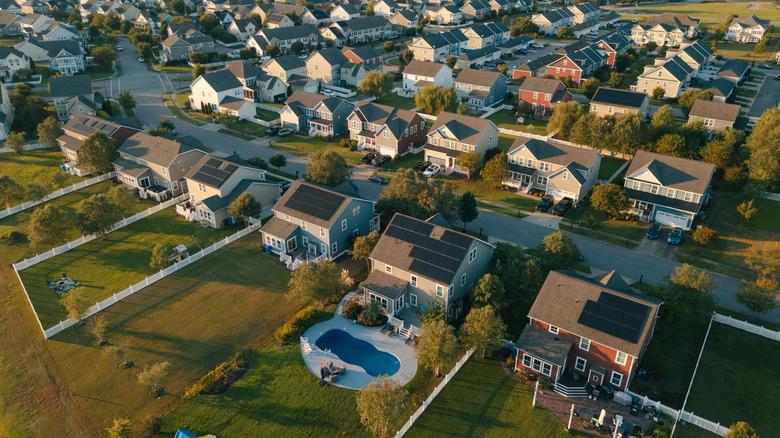
Although your home probably feels special to you, professional valuations are anchored to what similar properties nearby have sold for. These comparables, or comps, are basically recent sales of roughly similar homes in your local area. Adjustments are made for size, age, condition, and features. Appraisers and mortgage lenders rely heavily on comp data because it gives them a data-backed picture of what real buyers are currently willing to pay.
In general, comps are close to your home, have sold in the last three to six months, and are similar in lot size, internal square footage, and home type. For example, a condo with only a small communal courtyard wouldn't be a suitable comp for a four-bedroom detached ranch-style home set in six acres. The comparable recent sales gives you and the appraiser an accurate and likely price, adjusted for differences in quality, maintenance and features. Paying attention to comps helps stop you price way too high or exceptionally low, so that you get fair market value, and buyers and lenders feel confident that they're getting reasonable value.
Size, usable floor space, and layout
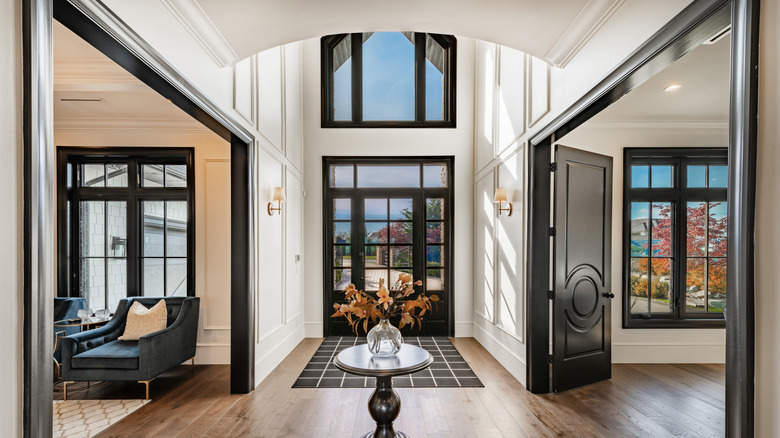
Square footage is obviously an important consideration for buyers, and it has a definite impact on property value, but it's actually more nuanced than that. Gross living area refers to the finished, livable residential space that's heated and suitable for everyday use. However, sometimes, below-grade rooms, such as finished basements, are excluded from this figure, even if they're very obviously an everyday, livable room. Unless meets all qualifications, like permanent heating, full finishing, including ceilings and floors, and accessibility from other living spaces, renovated garages and workshops will also not count toward total living space.
But the value is determined by more than just sheer size. A large part is how well the space flows and how usable the space feels. Lots of natural light, big, open spaces, and good flow from room to room are all incredibly important. Two properties can have the same square footage, but if one has lots of dead corners, unusable space, dark, choppy rooms with little natural light, or a strange or difficult layout, it will attract significantly lower offers than the other. Especially if that other property has an open plan, smart storage, and is easy to move around and furnish. This is also true of the outdoor space. Properties with steep, awkward, or oddly shaped or landscaped exteriors tend to command less value per square foot than properties with simple, practical lots that are simple to fence or that can be easily used for outdoor living.
Age, condition, and deferred maintenance
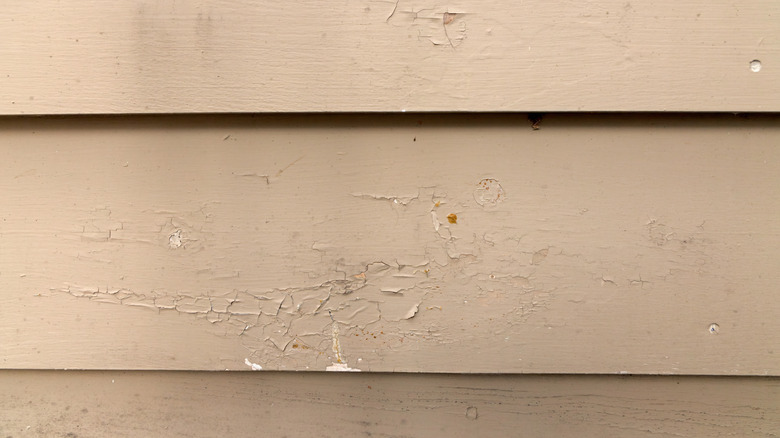
Age alone isn't a bad thing. In fact, many buyers will pay a premium for period properties with character. But the condition is super important. Deferred maintenance, which covers things like old, neglected roofs, peeling paint, rotting windowsills and door frames, water stains, or old, faulty wiring like knob-and-tube, reduces value. This is predominantly because it tells a buyer that they will need to invest a significant amount of time and money into maintenance and updates. It also implies that there may be hidden issues that could be costly. For example, a badly neglected roof or damaged guttering can suggest that there could be moisture damage in the walls that will be costly to fix.
In these cases, buyers may lower their offers or demand that deferred maintenance issues are fixed before they'll agree to the sale. Additionally, homes in such a poor state will often sit on the market for longer than well-maintained ones, which also encourages lower offers. You can't hide these kinds of issues, as inspectors will find and flag them for buyers. If you know you have deferred maintenance issues, it's a good idea to get an inspector or realtor to help you identify all of the issues and then the highest-impact fixes you can make within your budget. Roof repair, for example, fixing leaks, and addressing safety issues can all minimize the value suppression that happens with neglected buildings.
Curb appeal and exterior upkeep
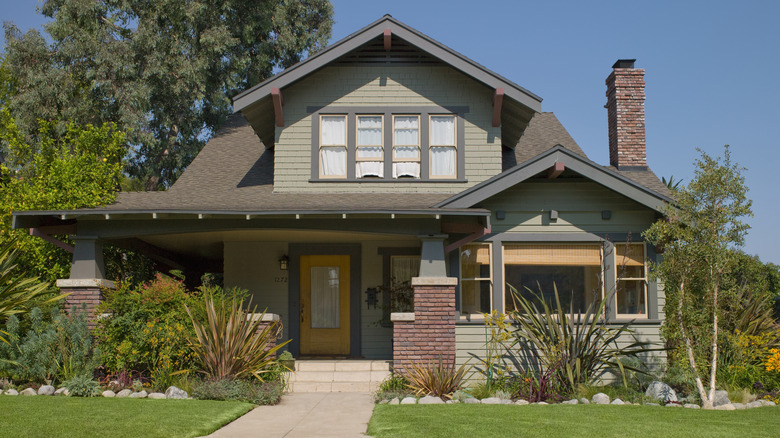
First impressions matter a lot. If you have a badly neglected garden and a sad, peeling garage and bubbled, damaged siding, you're telling buyers your property is neglected and that it's not worth that much. It's bad in listing photos and worse in person. The outside of your home sets the tone and affects how much a buyer feels the home is worth. Even if the inside is stunning, the buyers will still remember the first impression they were struck with, and this impacts how much they're willing to pay.
There are plenty of things you can do that won't blow your budget that let you create a better first impression. Adding some character to your front door is a great place to start, as is adding exterior lighting. Replacing siding is another project that can increase desirability and recoup over 100 percent of the project cost. Landscaping and basic lawn care also have a significant impact on curb appeal and home value, because they have such a strong impact on first impressions and perceived value, and can bring over 200 percent of their initial cost.
Kitchens, bathrooms, and interior finishes
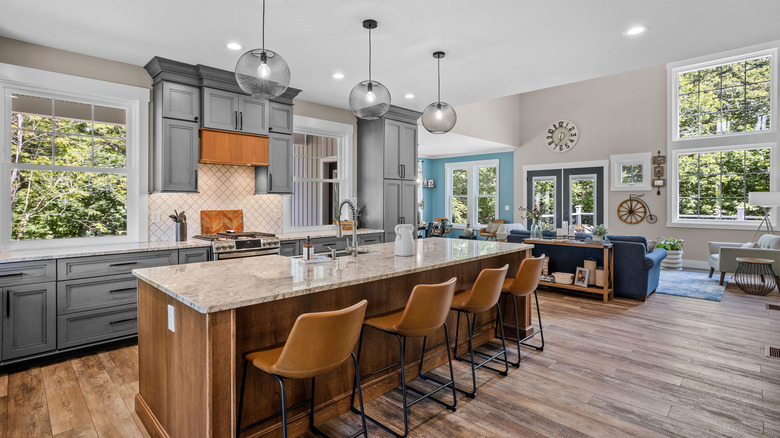
Buyers are strongly influenced by the state of the kitchen and bathroom. They're looking for value and a home that's move-in ready. A tired, dated kitchen and a bathroom with a suite straight out of the '70s isn't an attractive proposition and tells a buyer they'll need to do a significant amount of work on the home if they buy. A mid-range kitchen remodel can give you an ROI of around 113 percent and a mid-range bathroom remodel around 80 percent. So, if you do have money available for renovation, tired kitchens and bathrooms are smart places to start.
For interior finishes, you want people to be able to imagine themselves moving in and immediately being at home. So go for warm, inviting neutrals. Avoid super-extreme colors and patterns, as you either have to find a buyer that has your exact taste, or buyers willing to spend money to neutralize the finish themselves. Choose lasting, durable materials and, if necessary, upgrade or refinish counters, too.
Energy efficiency and running costs

Buyers are increasingly concerned about how much a home will cost to run. Some are purely thinking about their ongoing utility bills, and others are equally concerned with their environmental impact. Homes with appropriate insulation, energy-efficient windows and HVAC, and other features that reduce energy wastage are more appealing and more valuable. That's particularly true if updates are fairly recent and they've been well-maintained and regularly serviced.
Smart technology can be a significant part of maximizing efficiency. And 36 percent of buyers said that smart home features were an important factor in their buying decisions. This can include learning thermostats and smart lights as a minimum. Upgrading insulation and, where appropriate, air sealing your home, can cut heating and cooling costs by up to 15 percent, which is a great saving for you and a real selling point for energy-conscious buyers.
Renovations, additions, and finished spaces
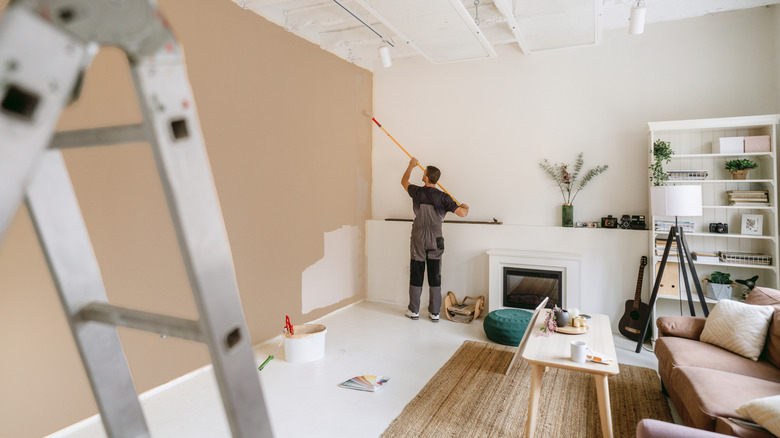
Renovations don't necessarily need to be huge to make a solid difference to the curb appeal and perceived value of your property. A fresh coat of paint or new flooring doesn't add significant value, but it does make the space feel cleaner, lighter, and more welcoming, all of which are factors buyers place importance on. But larger projects, like finished basements or attics, adding an ensuite to a primary suite, and major system updates, like a new, updated electrical system or whole-home HVAC installation can immediately move a home into an entirely new price bracket.
You want to focus your budget and your energy on things that desperately need updating and those with the best return on investment. A new, high-quality, secure front door can bring a an ROI of over 200 percent. And a mid-range kitchen remodel can bring 113 percent of its initial cost at resale. For more extensive renovations, like finishing or remodeling a basement, you can expect a 71 percent return. With finished basements, you also create greater perceived value, because you increase functional, flexible living space. Accessory dwelling units (ADUs) can also be a really appealing addition, because they increase living space and create more flexible living space for multigenerational living or as a guest space.
Parking, garages, and storage
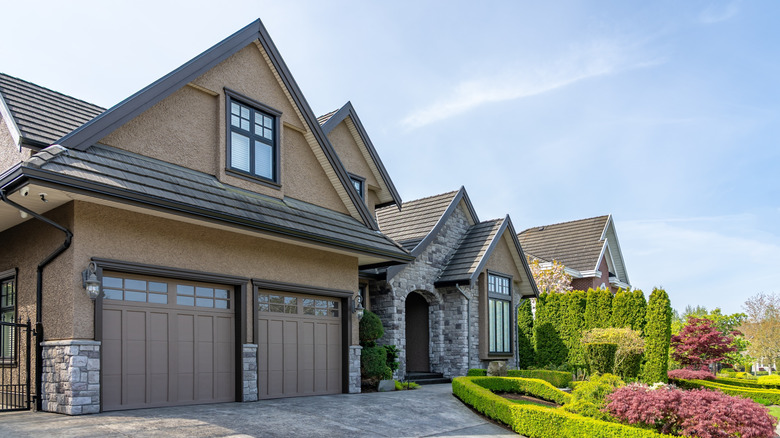
Off-street parking and a secure and well-maintained garage with plenty of storage space increase everyday practicality and add value to buyers to prioritize safety and convenience. A well-finished garage with a clean, modern look can boost curb appeal and overall property value. Buyers also appreciate plenty of tidy, well-appointed storage space inside.
If your garage is looking tired from the outside and there's room in your budget, it's likely worth upgrading the garage door, as it can bring a return of 194 percent when it's time to sell. If you can also zone the garage, so that it can accommodate a vehicle as well as storage, a workbench, and other key elements, you further boost value. Before you list, tidy the garage, add shelving, cabinetry, and, if the floor is old and damaged, consider adding a durable garage floor coating to make the space feel like a valuable part of the home rather than a problematic dumping ground.