

15 Historic Home Features You Should Never Remodel
We may receive a commission on purchases made from links.
Owning an old or historic home can feel like owning a tiny sliver of history. Until you start living in it, that is. Although many older homes have charming features and details, they're not always compatible with modern living. Some feel like they disrupt the flow of the home, while others look out of place in a room with very contemporary furniture. That's why when so many people weigh the pros and cons of buying a historic home, they often choose to heavily renovate it.
But these overhauls erase so many features of older homes that are both beautiful and very practical. Many built-in bookshelves and cabinets were handmade out of solid wood by local artisans, no veneers in sight. Even with the best custom furniture maker, it would be tough to find a piece that would fit perfectly where those built-ins sit right now. Instead of renovating these features, it's better to learn to work with them. Here are the 15 historic home features that you should never remodel.
Separate rooms top open-concept designs
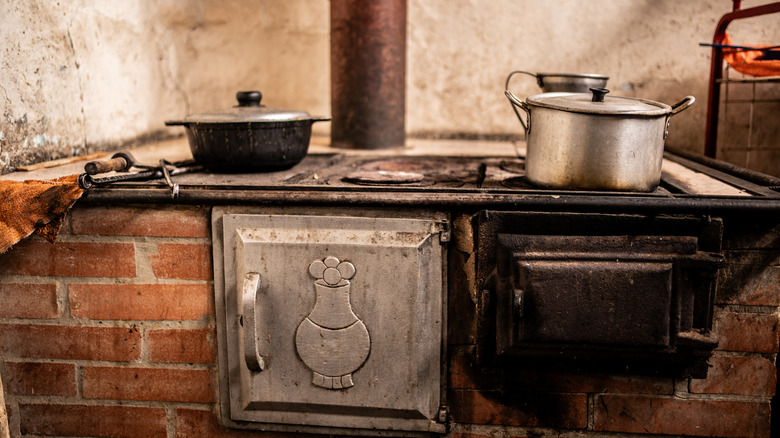
Few older homes will have open-concept designs, a very modern layout where the kitchen and dining rooms connect with living spaces. Traditionally, these areas will be separated by walls in older and historic homes, and some may even have doors separating those rooms. Kitchens often had doors to keep the smells and heat of the cooking away from the family sharing a meal in the dining room. This layout made sense in a time when dinners were more formal.
It may be tempting, but don't rip down the walls. You may have load-bearing walls that can't come down anyway, and leaving them up could carve up the space in a way that doesn't fit your needs either. Separated rooms are also easier to heat and cool. There are, of course, ways to update a historic home to fit a modern layout. You may be able to widen some doorways, which will make it easier to move around. If there's a door to the kitchen, take it down (but make sure you save it as those doors are likely solid wood and could be salvaged later) or replace it with a swinging door, if that's era-appropriate.
Hardwood floors always win over vinyl
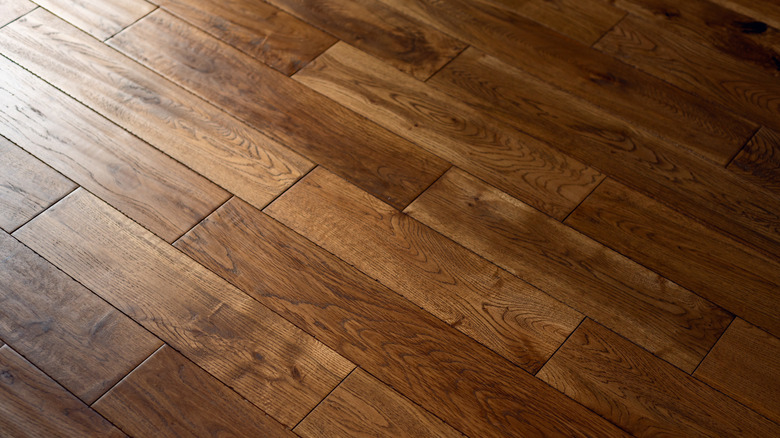
Vinyl and other modern materials didn't exist in the 1800s. Most homes had either tile or hardwood or a combination of the two as their floors. Hardwood is an especially durable material that can last for decades if it's cared for by homeowners. Buying an older home with these types of floors throughout each room should be considered a major win and certainly not anything that should be removed or replaced with vinyl.
Not all homeowners, however, take good care of their floors, no matter how valuable the material may be. But that's the great thing about this flooring. It can be restored to good condition. Hardwood that's looking dingy can be refinished and shine like new again. Individual planks can also be repaired or replaced. Once the work's done and the floors are looking brand new, invest in an area rug to protect them, like Syrlfar's washable blue and white abstract rug or Safavieh's Monaco rug in green and orange.
Butler's pantry finds a new purpose
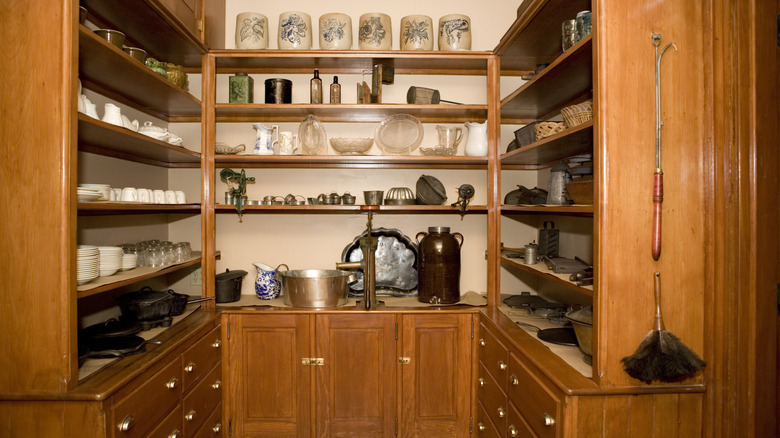
Butler's pantries were once food preparation stations where staff members would finish plating food or preparing drinks before taking them out to the family. They might store serving utensils and dishes in the cabinets, making it easier to grab a spoon or water glass on the fly. Dirty plates and glasses bound for the kitchen might also have been held here. This would help butlers clear the table quickly without having to take everything all the way back to the kitchen, which might have been a hike in some older homes.
You may not have a butler, but the pantry can still be used as if you have a trusty Alfred of your own. Think about the items you use the most in your dining room, such as wine glasses or dishes. Keep those stored here to make them easier to grab when having dinner. Some homeowners even add wine refrigerators if the layout fits. You can also change its use entirely depending on the location. Butler's pantries can store games and puzzles as well as sports gear for kids to grab just before they rush out the door.
Fireplace mantels charm guests day or night
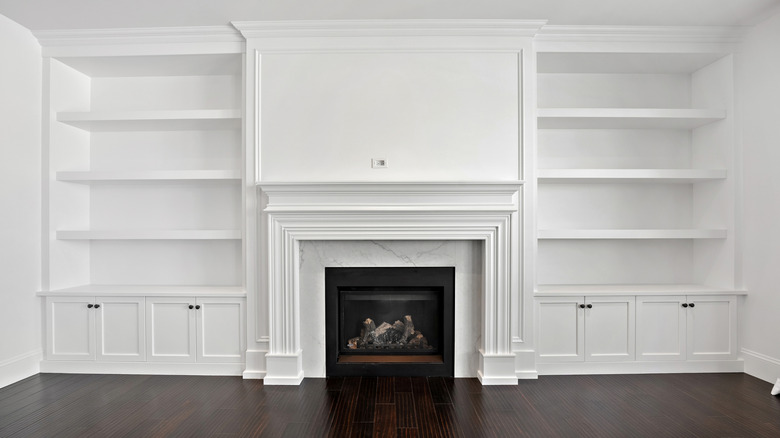
Fireplace mantels look elegant and sophisticated, especially when there's a fire going. Most homes have wooden mantels, but the fireplace itself might be surrounded by tile, wood, individual stones, or a slab of marble. These combinations created a focal point in their rooms. For many buyers looking at historic homes, the effect created by a lit fireplace with a mantel may be the reason for buying the property.
It might seem more convenient to rip out the mantel and any other wood built-ins (we'll come back to those) in the room. But unless the wood has rotted or the fireplace is in dire condition, it's always better to patch up what you can. The wood on the mantel can be repaired and refinished if you want to match it to newly refinished floors, as discussed earlier. For the tile, stone, or any other materials around the fireplace, work with it instead of replacing it. Shine it up and consider replacing the grout if that's really what's looking dull. If the tile is colorful, add pops of that color around the room. This gray and beige throw from Casaagusto could bring out these shades in the stone and grout while a CozeCube check knit throw, which comes in a variety of colors, can match with tile in a similar shade.
Stained glass windows bring in color
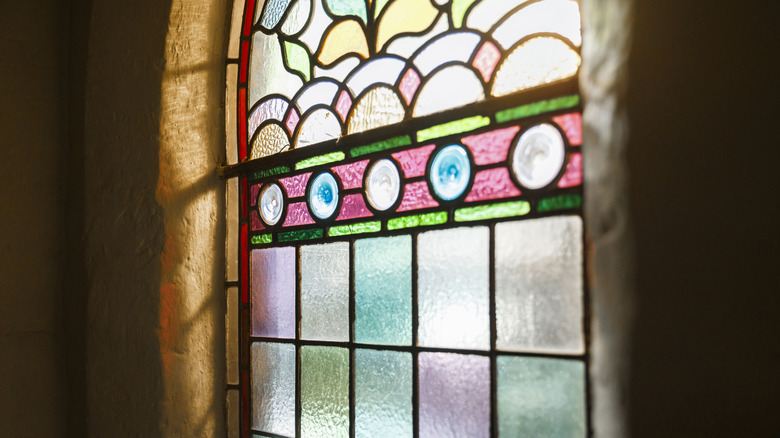
Stained glass windows infuse color through lighting into rooms though they may not seem as practical as a regular window. While their opaqueness does add some privacy, they won't bring in as much sunlight as the standard windows installed today. But their designs reflect old-world craftsmanship. They may not serve a real purpose beyond aesthetics, but they are beautiful to observe and can bring a certain charm to a space.
It may be tempting to get rid of the stained glass windows in an older home, but resist the urge. If there are repairs to be made, look for a local artisan who can offer solutions about what to do. Sometimes, the easiest way to spruce up these windows is just to clean them. Wash the inside and outside panes thoroughly with water first. Add dish soap if that's not enough. Then turn the area around the stained glass window into a hobby corner, maybe where you curl up with a good book or work on your latest knitting project. Tuck this oversized accent chair in chenille green from Rexulqo or Linsy's velvet yellow accent chair and ottoman below the window, and you'll always have a cozy spot.
Original millwork provides timeless elegance
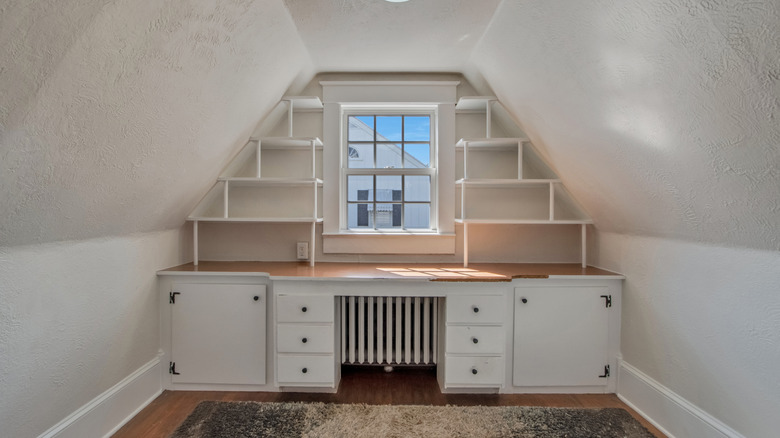
Millwork, meaning pieces constructed by wood crafters and installed in the home, can include built-in cabinets, bookcases, and paneling. These features were specifically constructed for this space, making them true one-of-a-kind originals. Since synthetic materials wouldn't have been around, the people who created these pieces used real wood, metal, and other natural materials. No matter how hard you look, you won't be able to find such pieces that perfectly fit your home in any furniture or thrift store.
You might not have an immediate use for these built-ins right now, and some of those doors and panels could be showing their age. The style may also be a little old-fashioned for your current tastes. But there are ways to repurpose and reimagine millwork so that it gives a decorative touch to your home. Start by repairing and choosing a finish that fits your style. The original finish may warm up the room too much, so balance it with cooler color tones on the wall. An icy blue paint or wallpaper design can balance the warmth of the wood.
Wall molding adds character to rooms
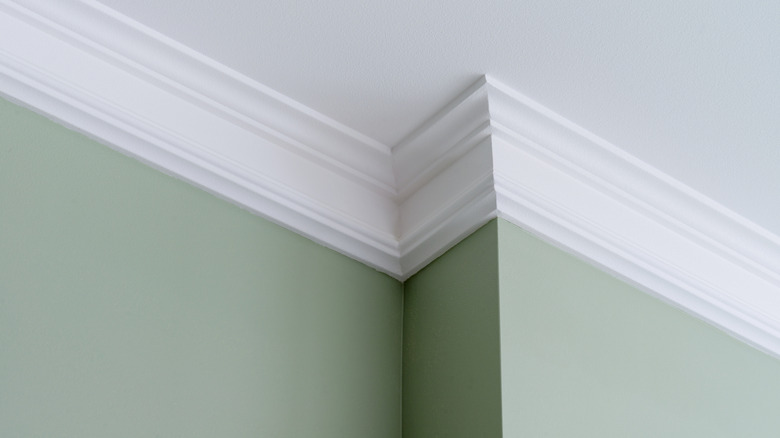
Wall moldings have been beautifully outlining walls for generations. You'll likely find them in your older home's living or dining rooms, bordering the top or bottom of the walls where they meet the ceiling or floor. They often have grooves and ridges that make them stand out, and some even have carvings and other intricate details. Wall moldings, usually made from wood, often add grandeur to a room and help highlight other architectural features throughout it
Overtime, wood can crack or suffer water damage if there's a bathroom above the room, but restoring wall moldings will almost always be easier than ripping them off the walls. You might damage the wall or ceiling in the process and need to spend more time and money fixing them. Try to save and restore molding whenever possible. Working with a professional can also help you decide how to restore them and any upgrades, like gold leaf paint accents, that could work.
Radiator grills turn utility into beauty
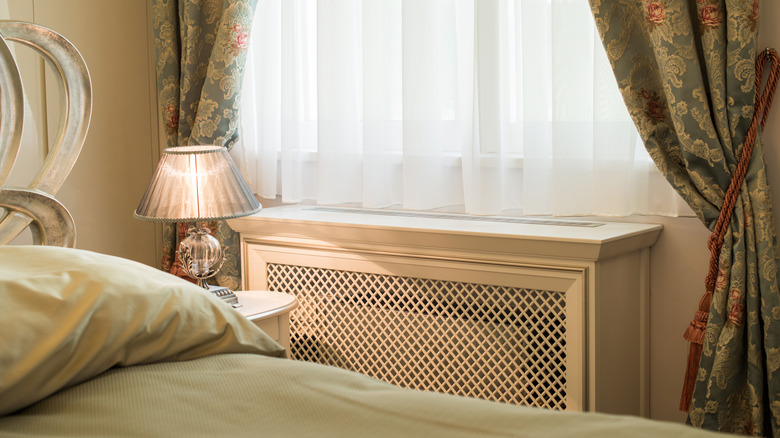
Let's face it: the coils of a radiator aren't exactly everyone's favorite design feature in any given room. That's where radiator grills, essentially covers, come in. Radiator grills turn an eyesore into a functional feature. They fit over the radiator, and the vent allows the heat to flow out with ease. They can also serve more practical purposes, like preventing curious children from burning their fingers on the hot coils. Depending on the cover, they could also create shelving space. Best of all, these grills often had intricate designs and patterns on them that really made them stand out.
Most homes these days don't have radiators at all, so the number of grill and cover manufacturers out there has dwindled. The ones still in existence run the gamut from low-cost but poorly made to expertly made but expensive. If you still have an original radiator grill, try having it refinished instead of replacing it. The materials used in the original are often far better than anything brand new. The design will also be something unique to your home that you won't be able to find again.
Doors should be refinished or repurposed
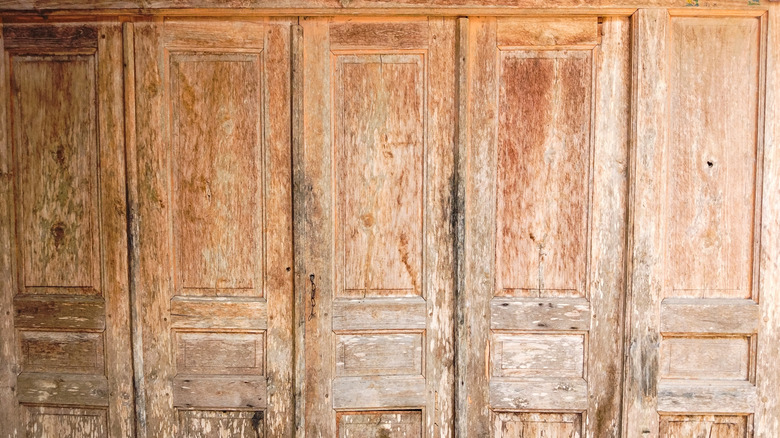
Doors in older homes have some major advantages over the ones made today. They're made of solid wood, and they're heavy, which helps control sound levels around the home. You won't find any composite materials here. They also have unique charms and carvings that would be impossible to replicate for most modern manufacturers. If you have original doors in your older home, then it's best to do everything in your power to keep them.
Of course, a door's only useful if it actually functions as it should, but most cracks in wood or frame can be repaired. Hardware can also be replaced if it's unfixable, and you can find vintage doorknobs that keep that old-world charm. Your first course of action should be to contact a professional to see what can be done. Once the repairs have wrapped up, you can refinish the door in a shade that fits your tastes, or you can update the hardware. Even if the doors must be taken down, don't get rid of them. The wood could be reused to make something original for your home that honors its past.
Transom windows serve a practical purpose
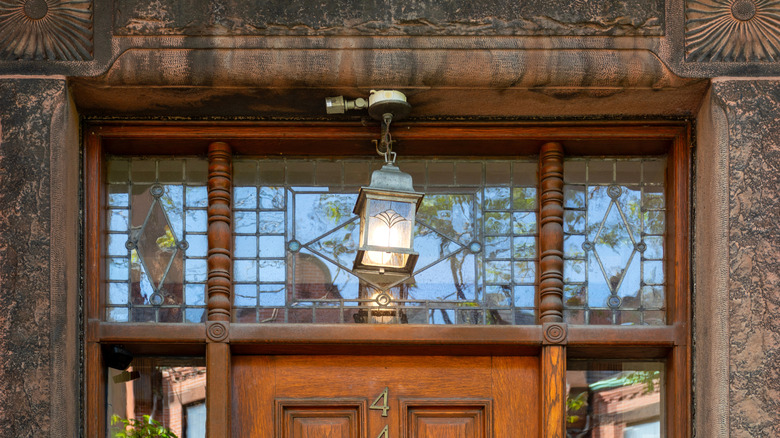
Transom windows are the smaller windows that you usually see above the doors in the home. At first glance, they might seem a little superfluous. They're common above front doors and often have intricate, detailed designs that add character. They also bring in more light, which can be a major bonus if your front door faces north. In kitchens, these doors provide a far more practical purpose. Before air conditioning and central heating systems, cooks in the kitchen would open these windows to help the rising hot air from the oven and stove circulate. It was a practical way of keeping this space cool while preparing a meal.
Bringing out a ladder and cleaning these windows should be the first step. You may be surprised by how much a good cleaning can do to breathe new life back into transom windows. From there, see if any glass could or should be replaced. You may need to call in an expert for a specialized repair, but having that bit of your home's history preserved will make a big difference.
Phone nooks find a new role in the home
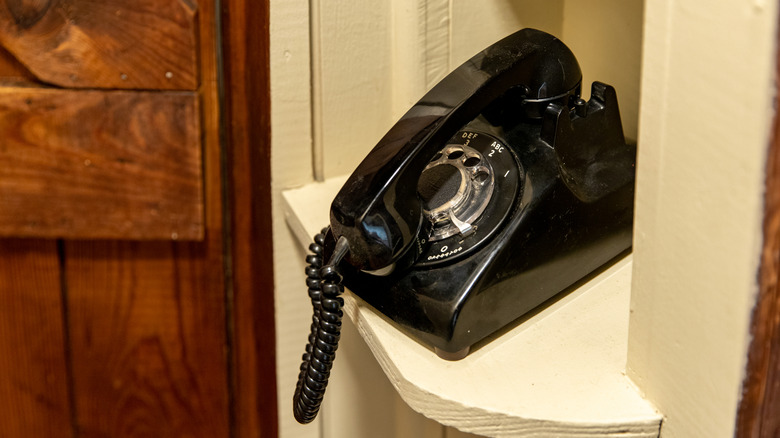
The telephone created its own architecture: the phone nook. This space had a small shelf perfect for bulky phones where people could stand and talk. These nooks weren't really conducive to long conversations, and they didn't offer much privacy. But homeowners often left pens and paper nearby to write down important messages or times and dates. Now that phones fit into pockets, the phone nook isn't really needed, but it's still a fun architectural detail that can add character to a room.
Instead of getting rid of it, repurpose this small space for a new era. This could become the new place to set down the mail if you add a basket or folder. With hooks, it could also double as a place to hold mail and spare keys if the nook isn't very close to an exterior door. But there's also room for creativity here. This could become a fun place to store your dog's leash, poop bags, and treats.
Dutch doors offer a unique function
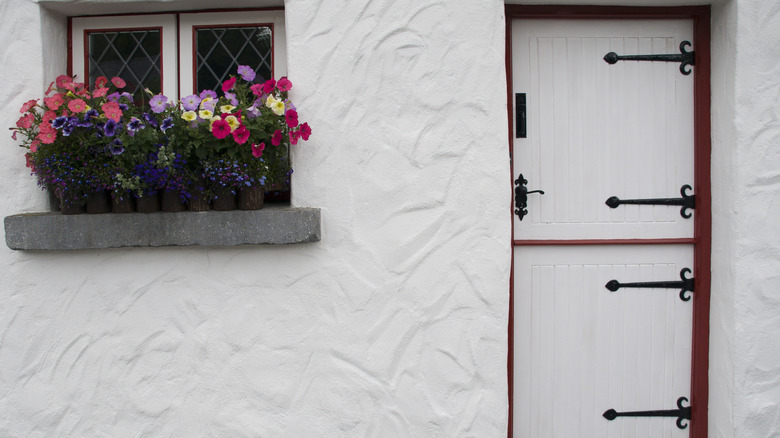
Dutch doors look as if they've been cut in half. The top half can open or close independently of the bottom half and vice versa. These days, few people are installing these doors in their homes, but they're still very popular in barns. This style was most popular in old farmhouses, and they would serve a similar purpose as the transom window. With the top half open, air could circulate throughout the hot kitchen. It was also much easier to keep an eye on pets and children with the door open and call out to them when it was time to come inside for dinner.
They may seem kitschy, but Dutch doors can still fulfill these roles today. Restoring its functionality may be as easy as changing out the hardware with new latches and locks. A fresh coat of paint and some iron details added to it can give the door an updated look that keeps the old charm but still looks fresh. Some repairs, however, might require a professional, so reach out if you need cracks fixed up.
Murals displays one-of-a-kind artwork
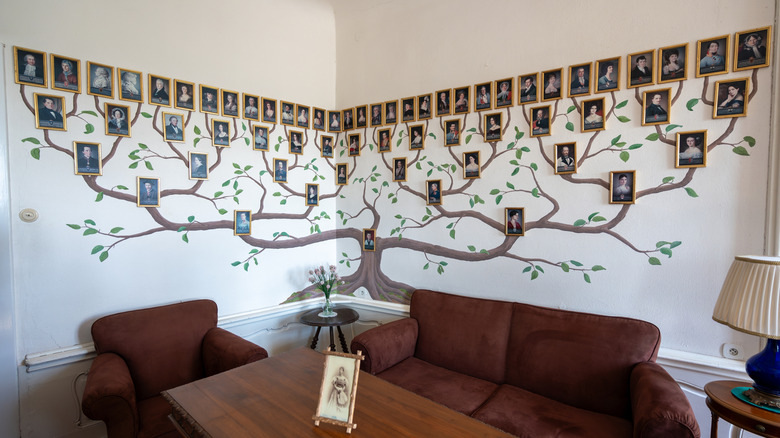
Well-off homeowners loved to commission artists to paint original works in their homes. While some opted for portraits, others gave painters a much bigger canvas: a wall. The resulting murals sometimes depicted familiar or exotic landscapes while others represented something meaningful to the family, such as a favorite story from mythology. Although these murals may not have much meaning to you, they're truly one-of-a-kind pieces that capture a small piece of history. If you have a mural in your older home, researching who painted it, when, and for whom can help you better appreciate what you have on your walls.
Instead of painting over them, use them as inspiration for color in the room. Colamy's set of four blue dining chairs could pick up some of that color, and this dark red area rug with a traditional motif from Hazo Haus could highlight any reds or dark yellows in the mural. Some artwork, of course, just doesn't stand up over time. Luckily, you can place buffets and bookcases to cover up some of the mural if you truly find it ugly. Some homeowners have even hung curtains to partially or completely hide them.
Ceiling medallions add detail to the fifth wall
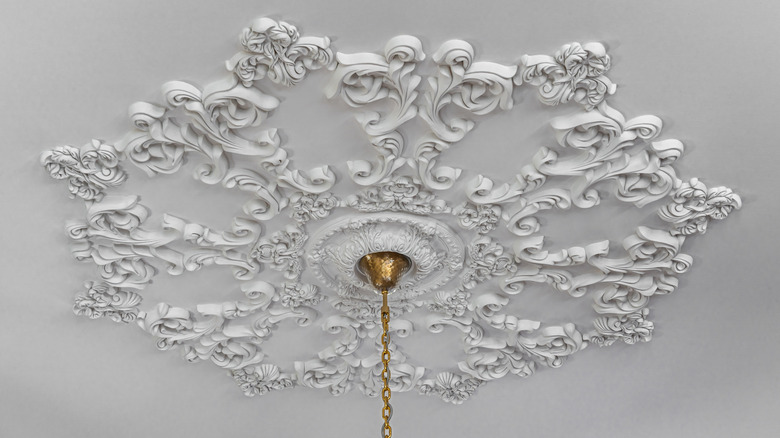
If you've ever looked up at your ceiling fixtures in the dining or living rooms of your historic home, then you might have noticed an intricate circle surrounding the base. That's a ceiling medallion. The vintage ceiling decor trend that's making a comeback is a true find if you have an original one in your home. It might be made of wood or plaster, and it likely has a repeating pattern around the hole where the lighting fixture hangs from. Few modern homes have these medallions anymore. They don't serve a functional purpose, but they're great for highlighting a beautiful chandelier.
Even if you replace the fixture, keep the medallion if possible. They provide that old-fashioned charm that probably inspired you to buy the house in the first place. There are ways to jazz it up. Giving the ceiling medallion a fresh coat of paint or even some gold leaf accents can brighten it up.
Clawfoot tubs can have a larger purpose
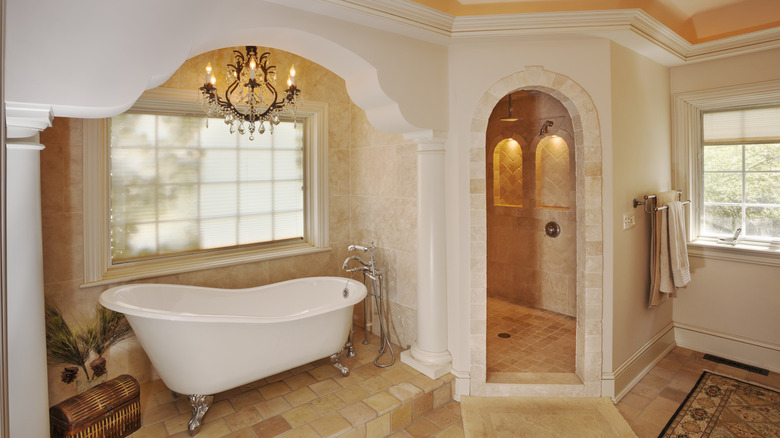
Clawfoot tubs have always elevated bathroom spaces with the idea of a luxurious soaking experience. But these tubs have other added benefits over smaller ones put in homes today. They're usually made of cast iron, which means they hold heat extremely well. They can also be very practical for large families. Being able to bathe multiple small children at once keeps nighttime routines moving smoothly.
Updates can be made to these tubs. A professional can help repair any cracks or damage. There are paints made for these types of fixtures, which can really liven up an old tub. Adding a step stool can make it easier to get in and out of the tub. Make sure it sits on a non-slip surface and has non-slip padding on the step itself to help prevent anyone from falling. If there is only a faucet, consider extending it to install a shower head and curtains to pair with the clawfoot tub and make the bathroom feel bigger.