

The Important Factor To Consider Before Building A Shed On Your Property
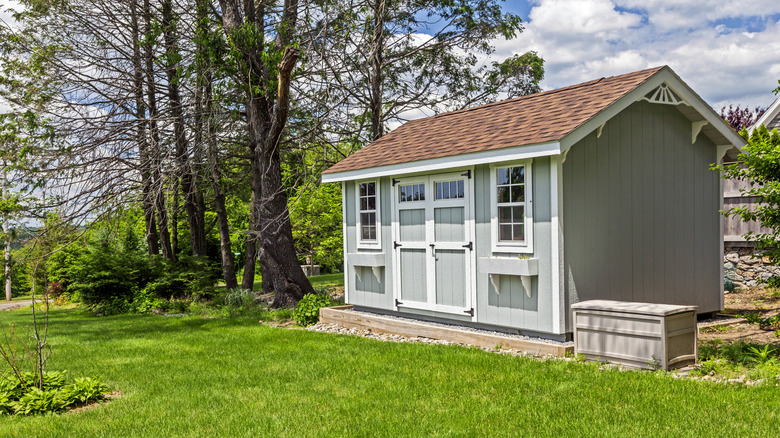
There are lots of good reasons to add a shed to your property, and an almost endless variety of design ideas to choose from. There are those that are intended purely as somewhere to store your garden tools and equipment, and there are backyard sheds to inspire a quiet escape. As well as function, you'll want to think about size, materials, and whether you're going to build it from scratch, buy a kit, or get someone to install it for you.
There are lots of tips to build your own DIY shed, but the single most important factor to consider, and one that a lot of people overlook at their cost, is the planning permission (or permissions) required. It's not just a case of checking local building or zoning laws. If you have a Homeowners Association (HOA), they will probably have rules, too.
Where you live can make a big difference, so you really do need to check with your local authority. However, we can give some pointers about the most likely restrictions, and these can help you as you start planning the shed you want. For example, square footage is important. In rural areas it can be as large as 200 square feet before needing a permit, but in urban locations that could come down to 100 square feet. Height also has an impact: The allowance can be anywhere from 8 to 12 feet. In some places it cannot exceed more than one story.
Even the foundations for your shed factor into planning permission
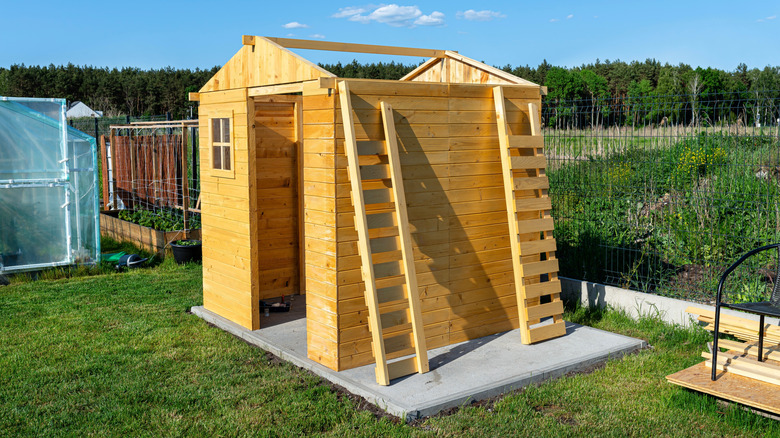
Much will depend on whether the shed on your property is considered temporary or permanent. If you pour a concrete slab for it, it may be considered the latter and require a permit. The same might be true if you intend to provide it with electricity or water. You are also likely to need a permit if it's attached to the house or could be used to provide accommodation. Many HOAs will not allow sheds in the front yard at all, and even in the back there will often be rules about distance from the house and the property line. Some may insist the roof matches that already on your home.
All of this makes getting permission for a shed on your property sound like a bit of a nightmare. To be fair, these regulations are intended to ensure the structure is safe for you and your family, and everyone in the neighborhood is working to the same set of rules. The entire process shouldn't take more than a few weeks, and in some cases only days.
Whether you're building it yourself or choosing one of the top-rated shed kits you can put up in no time, talking to the relevant authorities is something you shouldn't try to avoid. Penalties can include fines, stop-work orders, or a demand to tear a finished shed down. When you look at it like that, getting the relevant permit is a lot less grief than the alternatives.