

Paint Not Sticking To Your Tile? Here's Why And How To Fix It
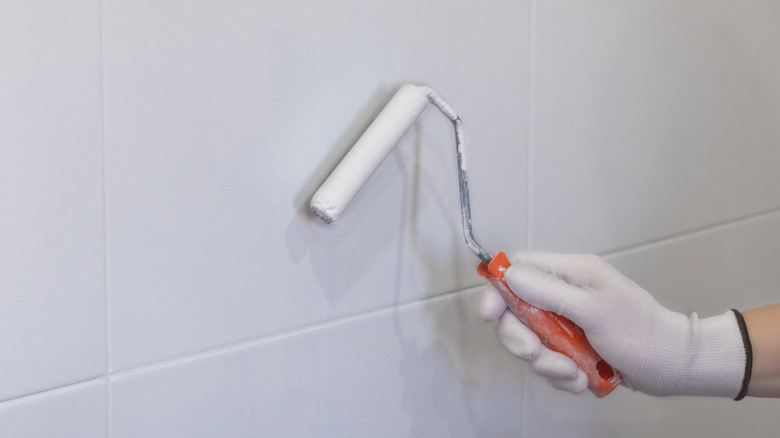
Painting your tiles is a cost-effective way to give your bathrooms or kitchen a facelift without investing in a full remodel. It is fast and convenient. However, if you're not careful during the procedure, you can succumb to a few pitfalls. If you find your paint quickly peeling or chipping off the tile, you're either not using the right type of paint or not prepping the surface well before applying the paint. For long-lasting effect, you need to get rid of any dirt on the tiles, use a bonding primer, and only apply specialized paints for tiles, such as epoxy or oil-based paints.
While you may have heard about DIY painted bathroom transformations turning old and rusty bathrooms into solemn retreats, the actual process can be more complicated than it sounds. Simply throwing some paint from your shelf on a tile won't quite do the job in most cases.
To begin, not cleaning the tile properly is one of the biggest reasons for the paint not sticking. Any kind of contaminant, such as dirt, food residue, mold stains, or grime on the surface can compromise the adhesion and considerably reduce the lifespan of the paint. While you can't ignore this basic first step, make sure you also get rid of any cracks or chips on the surface. Remember to clean the grout as well, since they can harbor mold stains. You can also consider regrouting the area before painting to thoroughly get rid of these stains.
You're not preparing the surface well (or not applying bonding primer before painting)
Ordinary paint often struggles to stick to tiles because of the glazed surface of the tile. This glazed surface repels water and dirt. Therefore, before you take up your brush, you need to sand the tile surface to destroy the gloss. This will make the surface more receptive to the paint. You can either use a 100-grit sandpaper for the job or a sander. Make sure you rub the surface of the tile gently with the sandpaper and avoid any damage to the tile. Sanding the tile would also help in getting rid of any sealants. Once you're done, wipe the tiles with a damp cloth to get rid of any grit from the sandpaper.
Not applying a bonding primer on the tile is another huge mistake that can break your project. A bonding primer helps the paint stick to the tile and prevents chipping or peeling of the paint in future. This type of primer, unlike other primers like metal or concrete primers, contains resins that act as an adhesive link between the surface of the tile and the paint. Once you have your tile clean and dry, apply the coat of primer. Make sure you're wearing gloves and a mask during the process to maintain safety. You can apply a couple of coats of the primer but ensure the first coat dries before you apply the next one.
You're using the wrong type of paint
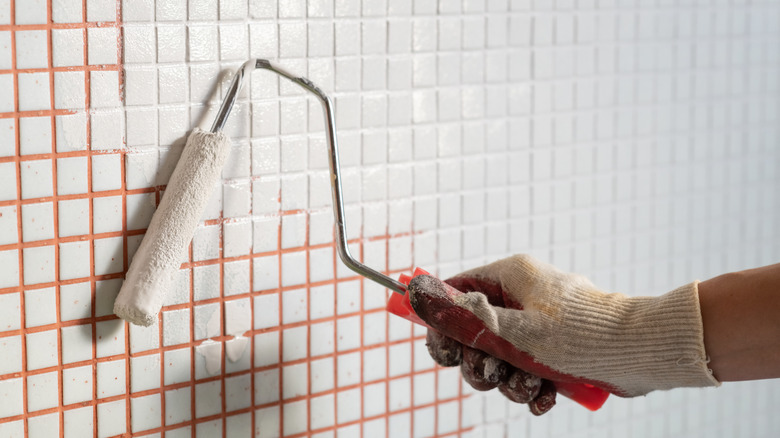
Using the wrong type of paint can drastically reduce its durability on tiles. Water-based paints are particularly susceptible to disintegration. But you can't use any ordinary paint off the shelf for the job either. Epoxy and enamel paints are great for painting tiles because of their ability to resist moisture. Enamel paint is easy to apply and long-lasting. However, it can emit fumes, so be careful while applying it around common areas. Epoxy paints are great for bathrooms and kitchens because of their ability to resist abrasion and cleaning solutions. Silicone-based paints are good picks as well. In fact, you can also choose from a range of specific water-resistant tile paints that are manufactured to resist moisture in kitchens and bathrooms. Meanwhile, acrylic and chalk paint are great DIY options for low-traffic areas of your house.
Lastly, once you're done with the painting, rushing can also undermine your efforts. Using water in the area can slow the curing process, so make sure you give at least 24 hours for the paint to dry. Also, you should not immediately re-grout the tiles after applying paint either, since this can also damage the paint.
While taking care of these precautions solves most problems, keep in mind that there are some areas where painting tiles is just not worth the effort. For instance, there are several drawbacks to consider before painting tile floors. High-traffic areas like your bathroom floor are not equipped to sustain the coat of paint for long. In fact, most floor tiles that take a beating from shoes, pets, and dropped objects are susceptible to having their paint chipped easily. You're better off completely replacing the tiles in these areas.