

Pan Vs Tile: How To Choose The Best Shower Floor Option For Your Bathroom
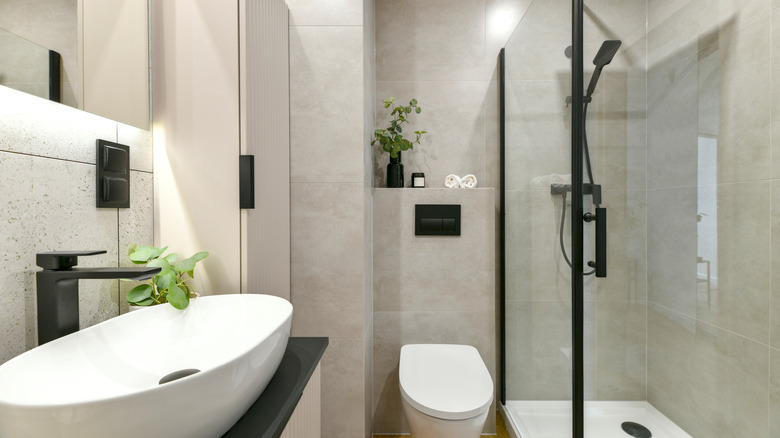
A lot of things may cross your mind when you first think about renovating your bathroom, but before you get sidetracked by all the different toilet designs out there, the shower base warrants some extra attention. You should know that choosing the right base is not quite straightforward. You may have constraints of budget or time, but you would not want to compromise on aesthetics or safety either. Moreover, the type of base you choose also determines the maintenance needs of your shower. A shower pan (or tray) gives you a cost-effective and low-maintenance option that you can get installed within a day. Whereas, a tiled floor offers a more refined look and long-term durability, but it costs more and takes more time to install.
A shower floor pan is a factory-made, prefabricated tray that is installed as the base of your shower for collecting water and directing it to the drain. It comes in various forms, such as rectangular alcoves or walk-in designs. These pans can be made from light fiberglass or heavy stone resin. Some designs even blend the two types, while other ones can be available with a tiled top.
Tiled bathroom floors, on the other hand, are custom-built in your bathroom, with a concrete or wooden sub-floor underneath, and grout lines connecting the tiles. Their custom design is why tiled shower floors come with extra upfront costs of installation –- costing you anywhere between $1800 to $4000 per installation, depending on the type of tiles and designs. This can be double the amount you pay for installing a shower pan.
Choose a shower pan for ease of installation and low upfront costs
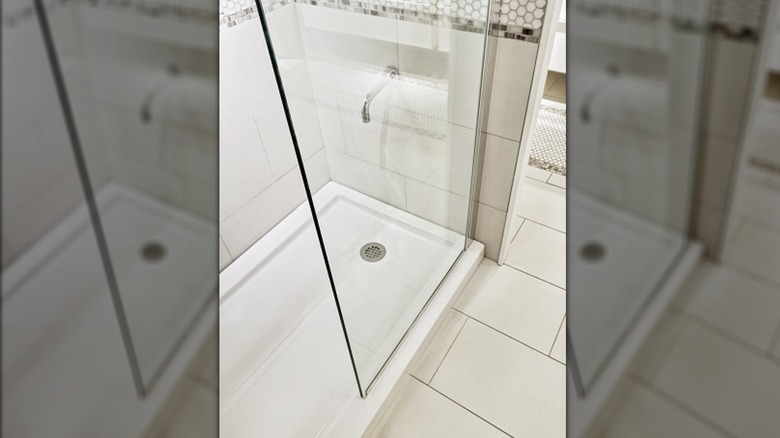
As mentioned, installing a shower pan can be way more cost-effective than tile installations. They also take up less time and labor complexity. In fact, if you're an experienced DIYer, you can even get the job done yourself with the help of some instructions. With tiles, even if you opt for an affordable option like ceramic, the time and skill required for installation can amp up the costs.
Another added advantage that shower pans offer is the ease of maintenance. They are non-porous, smooth, and easy to clean. All you need to do is give them a good wipe once a week and you're good. Since shower pans don't have grout lines like tiles, there is not much risk of scum or mildew getting stuck there either. Although incorrect installations and bad waterproofing are some of the top reasons shower trays fail, they are still better than tiles when it comes to problems related to waterproofing. Being one solid base, without grout lines, pans don't allow water to seep through. A lot of bases also offer anti-microbial features, which is a plus for hygiene.
If you are low on budget and time, or if you're looking for a quick fix solution without worrying too much about limitations of design or long-term ROI, shower pans are definitely the way to go. These pans are also suitable for rental properties, which see tenants come and go and require quick maintenance. Finally, if your bathroom sees a lot of foot traffic and you want minimum upkeep, installing a pan will solve a lot of your headaches.
Choose tiles for ease of customization, a high-end look, and durability
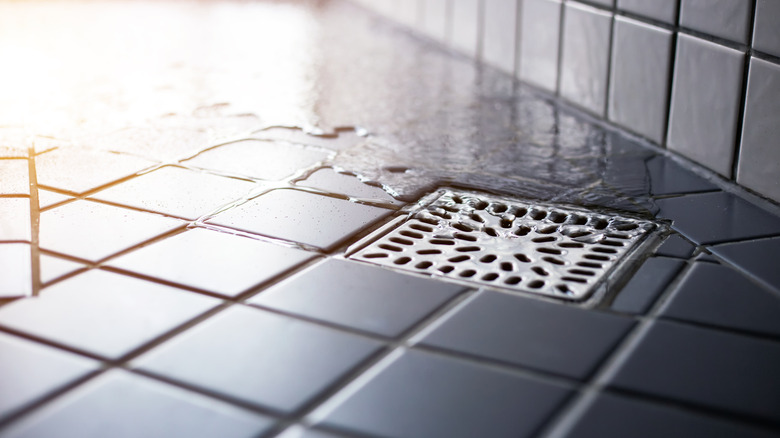
Unlike pans, tiled floors in the shower look way more striking and high-end. You also get a lot of options for customization with different colors and textures of tile types, making them undeniable picks for more luxurious settings. In general, tiles are also more durable than pans –- provided you don't pick the worst shower tile options, such as natural stone, which can be quite porous and prone to damage. You may also want to think twice before installing pebble shower floors, since they can be a nightmare for long-term maintenance.
However, if you pick the right tiles and get their installation right, tiles can last as long as the duration of the home. While you would need to redo the grouting once a decade or so, and seal the tiles every year for maintenance, the entire base can last well more than 50 years. Furthermore, with ceramic or porcelain tiles, you can also easily replace a cracked tile with a new one, without completely replacing the entire floor.
Unlike shower pans, you also avoid the risk of shower base flexing under your foot with tiles. This can especially be the case if the pan installed is of a cheap variety or if it lacks the support of a mortar bed. All these events can add some costs of upkeep to pans, which do not occur with tiled floors. Tiled floors can also be more scratch-resistant than acrylic shower pans. Finally, tiled floors are also better for small bathrooms. Since pans are prefabricated and come in standard sizes, they may not perfectly fit all layouts. With tile installations, there are no such problems.